

More
Checking your session
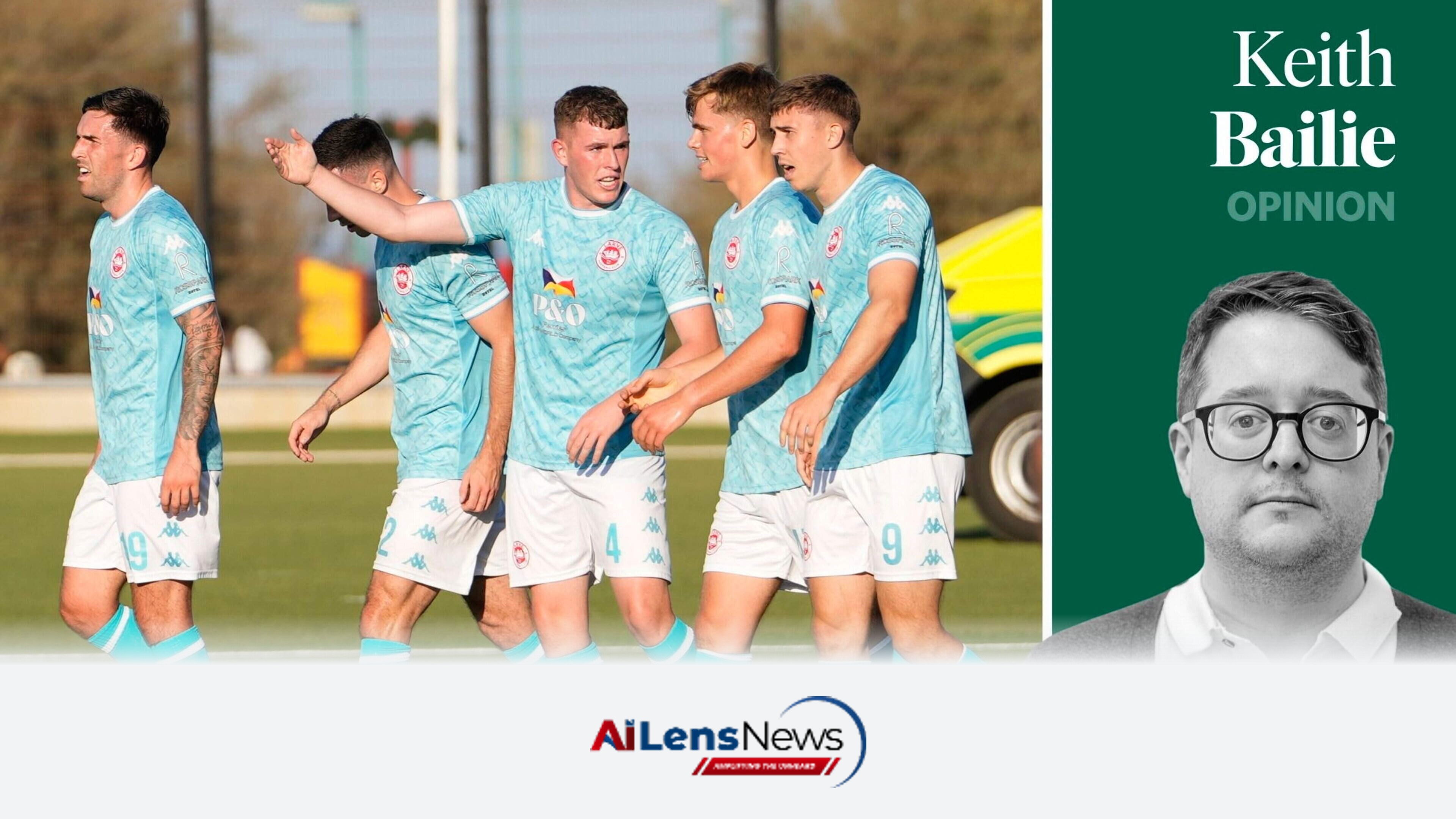



As Larne aims for European success, concerns about the future of summer football in Northern Ireland grow. Key decisions loom on the sport's direction.
London, United Kingdom Aug 25, 2026 ALN: Larne FC's recent performances in European competitions have sparked excitement among fans and raised hopes for the club's future. The team's journey in continental tournaments has not only highlighted their potential but also the aspirations of a community that rallies behind them. However, as the team strives for success on the continental stage, significant concerns about the overall health of summer football in Northern Ireland have come to the forefront. The juxtaposition of Larne's success against the backdrop of league-wide challenges raises important questions about the sustainability of the football model currently in place.
While Larne's achievements could be seen as a beacon of hope, they also mask deeper issues within the league. The focus on a few standout clubs often overshadows the struggles faced by many teams in maintaining competitiveness and financial stability. Larne's rise has been impressive, marked by strategic investments and a commitment to improving their squad. This success, however, is not reflective of the experiences of all clubs in the league. Many teams continue to grapple with limited resources, hampering their ability to compete at higher levels.
The disparity in financial health among clubs has created a widening gap, where a select few can secure top talent while others struggle to retain their existing players. This imbalance not only affects the quality of play but also diminishes the overall appeal of the league, potentially alienating fans who support clubs without the same level of investment. The excitement generated by Larne's European campaigns should prompt a deeper inquiry into how the league can support all its members, ensuring that success is not confined to a few elite clubs.
As discussions about the future of summer football intensify, stakeholders must consider whether the current model is sustainable. The Northern Ireland Football League (NIFL) is at a crossroads, with decisions that could impact the structure and viability of the league for years to come. The summer football format, adopted to align with European calendars and enhance player performance, has been met with mixed reactions from fans and clubs alike.
Some argue that summer football allows for better playing conditions and more attractive football, while others contend that it disrupts traditional fan habits and leads to lower attendance figures during peak holiday months. As clubs evaluate their operational strategies, the NIFL must balance these viewpoints to foster an environment where all teams can thrive, irrespective of their financial backing.
Larne's success should not distract from the pressing need for a comprehensive review of the league's structure. As the club aims for European glory, the NIFL must address the broader implications of its operational model and ensure that all teams can thrive. A collaborative approach involving clubs, fans, and governing bodies is essential to create a sustainable football ecosystem that benefits everyone involved.
Moreover, the potential benefits of a more equitable league structure extend beyond financial stability. A competitive league can enhance the quality of play, attract talent, and ultimately lead to a more vibrant football culture in Northern Ireland. By addressing the underlying issues and fostering an environment where all clubs can succeed, the NIFL can create a stronger foundation for the sport's future.
While Larne's ambitions in Europe are commendable, they should serve as a catalyst for necessary changes within the league. The focus must shift from short-term success to long-term sustainability, ensuring that all clubs can compete effectively and contribute to the growth of football in Northern Ireland. This shift is not merely about enhancing the league's reputation but is also about preserving the heritage and passion that football brings to communities across the region. As stakeholders navigate the complexities of the current landscape, a commitment to collaboration and innovation will be vital in shaping a brighter future for Northern Irish football.
To learn more about the latest developments in Golf, stay updated with our exclusive reports and analyses on AILensNews.