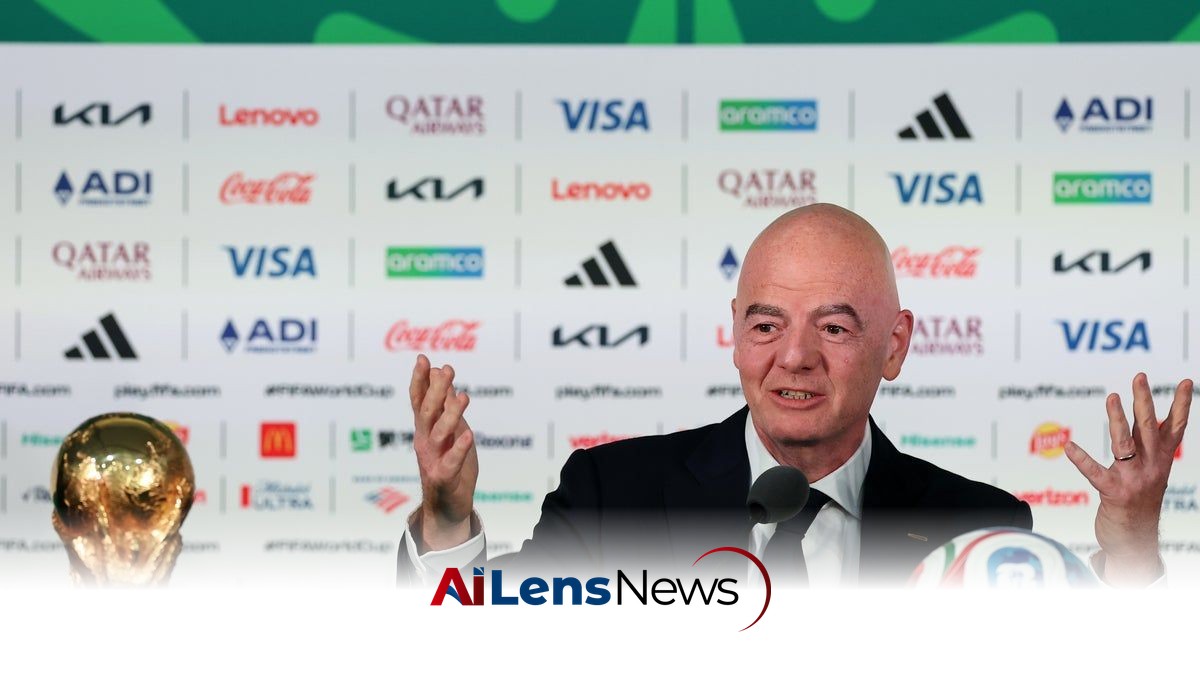


FIFA has scrapped its proposal to sell stakes in the World Cup after facing significant backlash and threats of boycotts from football associations worldwide.
London, United Kingdom Aug 1, 2026 ALN: FIFA, the governing body for world football, has recently made headlines by abandoning its controversial plan to sell stakes in the World Cup and other major tournaments to private investors. This decision follows a significant backlash from various stakeholders within the football community, including national associations, confederations, and football fans worldwide. The proposal, which was introduced by FIFA President Gianni Infantino in July, aimed to generate additional revenue for the organization and its member associations, but it quickly became a focal point of contention.
The initial announcement of the plan was met with widespread disapproval, leading to fears that the integrity of the sport could be compromised. Critics argued that selling shares in the World Cup could prioritize profit over the sport's core values, such as fair play, inclusivity, and the spirit of competition. Infantino had suggested that a vote would determine whether the plan would be implemented, but the prospect of such a significant shift in the governance of football raised alarms across the globe.
UEFA, the governing body for European football, was one of the first organizations to voice its opposition to the proposal. It issued a strong statement indicating that its member nations would boycott the World Cup and other FIFA competitions if the plan were to proceed. This stance was significant, as UEFA represents a large number of influential football nations, and a boycott could have had severe implications for FIFA's financial stability and the global football calendar.
In addition to UEFA's opposition, other regional confederations, such as the Asian Football Confederation and Concacaf, which oversees football in North and Central America as well as the Caribbean, expressed their support for UEFA's position. This collective stance from multiple footballing bodies underscored the widespread discontent with FIFA's proposal and highlighted the potential for a united front against what many perceived as an attempt to commercialize the sport excessively.
In response to the growing backlash, FIFA released a statement asserting that "nobody is selling football." The organization emphasized its commitment to maintaining the sport's integrity and the importance of collaboration with its member associations. However, despite these reassurances, the pressure continued to mount, leading FIFA to ultimately back down from the proposal.
Infantino's statement following the decision acknowledged the divisions created by the proposal and emphasized the need for unity within the football community. He expressed regret that the project had not garnered the necessary support and indicated a desire to refocus efforts on strengthening FIFA's member associations and promoting football globally, particularly in regions that require additional support.
The implications of this decision are significant. The abandonment of the plan not only reflects the power of collective dissent within the football community but also highlights the challenges FIFA faces in navigating the delicate balance between commercial interests and the sport's traditional values. The backlash serves as a reminder that stakeholders in football, including players, fans, and associations, are increasingly vocal about their concerns regarding the commercialization of the sport.
Moreover, this episode raises questions about the future direction of FIFA under Infantino's leadership. The FIFA president has faced criticism in the past regarding various decisions and policies, and the failure of this proposal may intensify calls for accountability and reform within the organization. Some association heads have already indicated that they believe Infantino's leadership should be reevaluated, suggesting that the recent controversy may have lasting repercussions for his tenure.
Looking ahead, Infantino has stated his intent to bring all interested parties back together to foster collaboration and dialogue. This approach may be essential for rebuilding trust and ensuring that future initiatives are developed with broader consensus among stakeholders. The FIFA Forward Enterprise project, which Infantino referenced in his statement, was intended to enhance support for member associations, particularly in developing football nations. However, the recent backlash has demonstrated that any future initiatives must be approached with caution and a commitment to transparency.
In conclusion, FIFA's decision to abandon the plan to sell stakes in the World Cup reflects a significant moment in the ongoing dialogue about the commercialization of football. The strong reactions from various footballing bodies indicate a growing awareness and resistance to changes perceived as detrimental to the sport's integrity. As FIFA moves forward, it will be crucial for the organization to engage constructively with its stakeholders to ensure that the future of football remains focused on the values that have made the sport beloved around the world.
To further understand the implications of FIFA's decision, it is important to consider the historical context of football governance and commercialization. Over the past few decades, football has seen a substantial increase in commercial interests, with broadcasting rights, sponsorship deals, and merchandise sales contributing to the financial landscape of the sport. While these developments have provided significant revenue streams for clubs and associations, they have also raised concerns about the potential erosion of the sport's values.
The introduction of the proposal to sell stakes in the World Cup can be viewed as a culmination of these trends, where the desire for financial gain threatens to overshadow the traditions and principles that have defined football for generations. The backlash against this proposal indicates that many within the football community are unwilling to accept changes that could fundamentally alter the sport's character.
FIFA's decision to withdraw the proposal may serve as a turning point in the organization's approach to governance and revenue generation. It highlights the necessity for FIFA to engage more transparently with its stakeholders, ensuring that the voices of players, fans, and associations are heard and considered in decision-making processes. This could lead to a more inclusive approach that respects the heritage of the sport while still exploring innovative ways to secure financial support for its growth.
As FIFA navigates this complex landscape, it will be essential for the organization to strike a balance between commercial interests and the preservation of football's core values. This may involve reevaluating existing partnerships and sponsorships, as well as exploring alternative revenue models that do not compromise the integrity of the sport. The recent backlash serves as a reminder that the football community is vigilant and willing to stand up for the principles that define the game.
In conclusion, the abandonment of the plan to sell stakes in the World Cup is not just a response to immediate concerns but a reflection of a broader dialogue about the future of football. As the governing body moves forward, it must prioritize collaboration, transparency, and respect for the sport's values to ensure that football remains a source of joy and unity for fans around the world. The lessons learned from this episode could pave the way for a more sustainable and ethical approach to football governance in the years to come.
To learn more about the latest developments in Golf, stay updated with our exclusive reports and analyses on AiLensNews.

