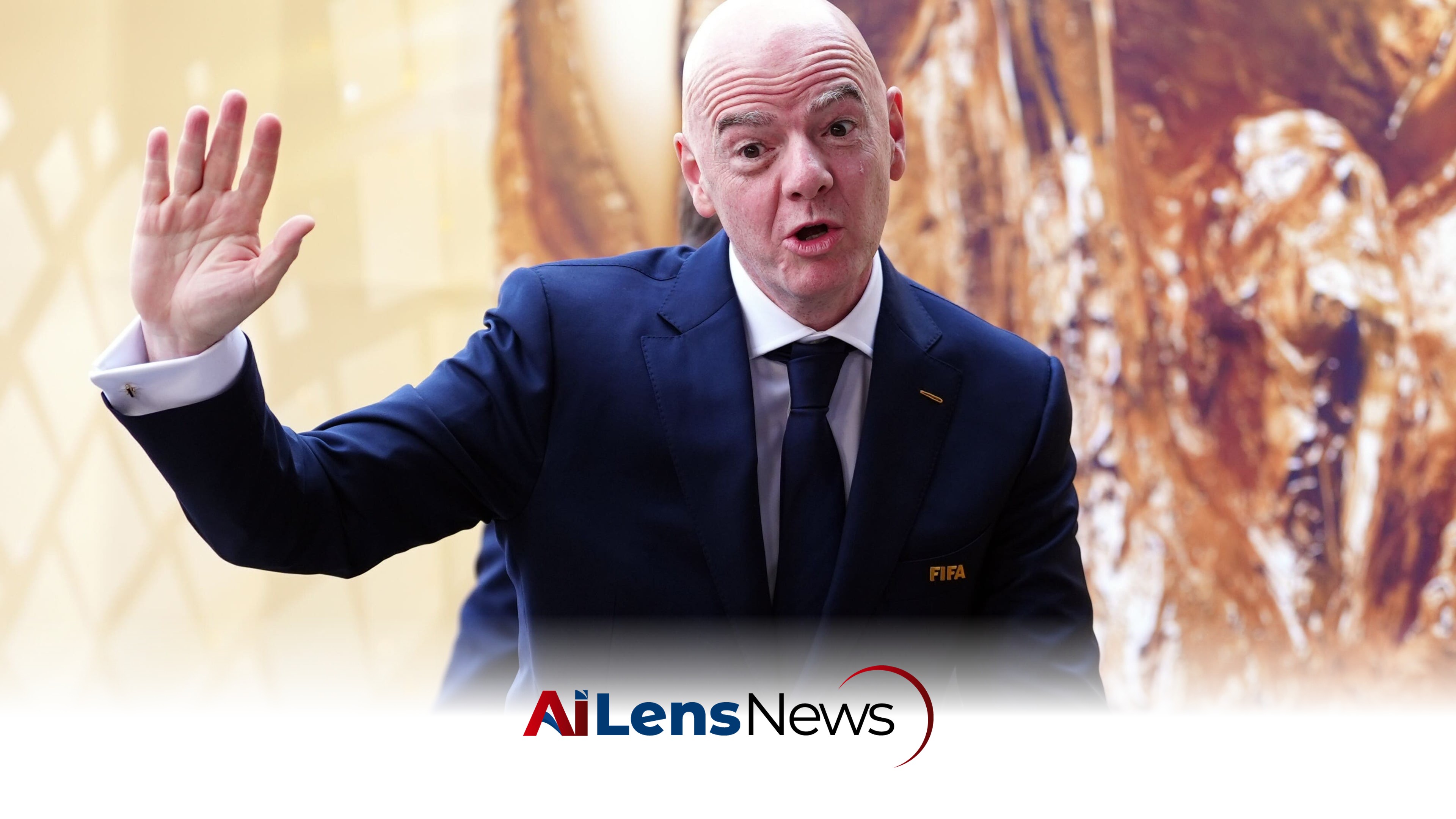


FIFA President Gianni Infantino announces the cancellation of a major investment plan for the World Cup, citing changing priorities and financial considerations.
London, United Kingdom Aug 1, 2026 ALN: In a surprising move, FIFA President Gianni Infantino has announced that the organization has decided to scrap its previously proposed investment plan for the World Cup. This decision marks a significant shift in FIFA's strategy as it navigates the complexities of global football governance and financial management. The announcement has drawn considerable attention and raised questions about the future direction of the organization and its commitment to the sport.
Infantino revealed the news during a press conference, emphasizing that the decision was made in light of evolving priorities within the organization. "We must adapt to the changing landscape of football and ensure that our resources are allocated effectively," he stated. The investment plan, which was initially aimed at enhancing the World Cup experience and infrastructure, has been deemed no longer feasible. This statement reflects a broader reconsideration of FIFA's financial strategies and priorities, which have come under scrutiny in recent years.
Several factors contributed to FIFA's decision to abandon the investment plan. Firstly, the financial implications of hosting the World Cup have become increasingly complex, with rising costs and economic uncertainties affecting many member associations. Infantino noted that FIFA must prioritize its financial stability and the sustainability of its operations. This shift in focus is particularly pertinent given the economic challenges posed by the COVID-19 pandemic, which has had a profound impact on sports worldwide. Many countries are still recovering from the economic fallout, and the financial burden of hosting large-scale events has become a contentious issue.
Additionally, the global football community has been vocal about the need for more equitable distribution of resources. Infantino acknowledged these concerns, stating, "We need to ensure that all member associations benefit from FIFA's resources, not just those hosting major tournaments." This sentiment reflects a growing call for transparency and fairness in FIFA's financial dealings. Critics have often pointed to the disparity in funding and support between wealthier football associations and those in developing nations. By abandoning the investment plan, FIFA may be signaling a commitment to address these disparities and work towards a more inclusive approach to resource allocation.
The decision to scrap the investment plan also comes at a time when FIFA is facing increased scrutiny over its governance practices and financial management. The organization has been criticized for its lack of transparency and accountability, particularly in the wake of corruption scandals that have plagued FIFA in recent years. By shifting its focus away from large-scale investments in the World Cup, FIFA may be attempting to rebuild trust with its stakeholders and demonstrate a commitment to responsible governance.
Looking ahead, Infantino expressed optimism about FIFA's future initiatives. He highlighted the importance of investing in grassroots football and supporting the development of the game at all levels. "Our focus will shift towards nurturing talent and ensuring that football remains accessible to everyone," he said. This pivot towards grassroots initiatives could potentially lead to a more sustainable model for the growth of the sport, fostering new talent and increasing participation in football across all demographics.
Investing in grassroots football is crucial for the long-term health of the sport. By focusing on youth development programs, coaching education, and infrastructure improvements at the local level, FIFA can help cultivate a new generation of players and fans. This approach not only promotes inclusivity but also strengthens the foundation of football worldwide. Moreover, it aligns with FIFA's broader mission to promote the sport globally and ensure its continued growth.
FIFA's decision to scrap the World Cup investment plan has sparked mixed reactions within the football community. While some view it as a necessary step towards financial prudence, others worry about the implications for future World Cup events and the overall growth of the sport. The World Cup is one of the most prestigious sporting events globally, and significant investments in its infrastructure and experience are often seen as vital to maintaining its status and appeal. Critics argue that abandoning the investment plan could hinder the ability to host future tournaments that meet the high expectations of fans and stakeholders.
Furthermore, there are concerns about how this decision might affect the host countries of upcoming World Cups. The investment plan was expected to provide financial support for infrastructure projects, transportation improvements, and other essential services that would enhance the overall experience for fans and players alike. Without this support, there are fears that some host nations may struggle to deliver the level of service and experience that the World Cup demands.
The implications of FIFA's decision extend beyond just the World Cup. The shift in focus towards grassroots initiatives could have far-reaching effects on the global football landscape. By prioritizing development at the local level, FIFA may be able to foster a more diverse and inclusive football community that can contribute to the sport's growth in various regions. This could lead to an increase in competitive balance, as smaller nations and clubs gain more resources and support.
Moreover, this decision could influence FIFA's relationships with various stakeholders, including national associations, clubs, and sponsors. A commitment to equitable resource distribution may help FIFA rebuild its reputation and strengthen its partnerships within the football community. It could also lead to more collaborative efforts between FIFA and member associations, as they work together to develop and promote the sport.
As FIFA navigates this new chapter, the focus will undoubtedly remain on balancing financial sustainability with the growth and development of football worldwide. Infantino's leadership will be crucial in steering the organization through these challenges, ensuring that the beautiful game continues to thrive. The coming years will be pivotal for FIFA as it seeks to redefine its role in global football and respond to the evolving needs of its member associations and the football community at large.
In conclusion, while the abandonment of the World Cup investment plan may raise concerns about the future of the tournament and the sport, it also presents an opportunity for FIFA to reassess its priorities and focus on building a more sustainable and equitable framework for football development. The path forward will require careful consideration and collaboration among all stakeholders involved in the beautiful game.
To learn more about the latest developments in Golf, stay updated with our exclusive reports and analyses on AiLensNews.

