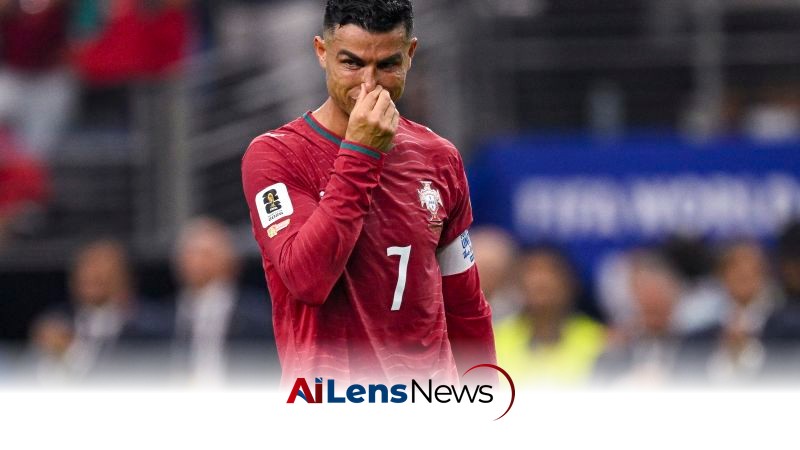


This World Cup, millions were wagered on whether Cristiano Ronaldo would cry during a match. The debate continues as fans analyze his emotional moments.
Washington DC, United States Jul 12, 2026 ALN: This World Cup, a bunch of people decided to gamble millions on whether soccer superstar Cristiano Ronaldo would cry during a match. This unusual betting phenomenon highlights the intersection of sports, entertainment, and the ever-growing world of prediction markets, where individuals can place bets on a wide variety of outcomes—ranging from political events to personal emotions displayed by celebrities.
The bet, which happened on Polymarket, isn’t weird for the wild world of prediction markets. These platforms allow traders to speculate on future events, often leading to bizarre and unexpected wagers. Some bets have included whether aliens will be announced by the US government, whether a coup attempt will take place in Russia, and even whether the earth is flat. In fact, a notable trader lost $915 betting against the earth’s sphericity, illustrating the lengths to which individuals will go to engage with these markets. As a result, the betting community has become increasingly creative in the types of events they choose to wager on, with emotional displays from athletes becoming a focal point of interest.
In the case of Ronaldo, traders looking to get an edge began closely examining his long, storied career for evidence of crying. The Portuguese forward has had a career filled with emotional highs and lows. There were tears of despair, such as during Portugal’s heartbreaking 2022 World Cup loss, in which he kneeled on the grass while weeping, visibly affected by the defeat. Conversely, there were also moments of joy, like this year, when he helped his club secure the Saudi title for the first time during his tenure, leading to happy tears that resonated with his fans. These contrasting emotional displays have made Ronaldo a focal point for discussions around the emotional investment athletes have in their performances.
This week, the odds had settled at around 70% favoring tears, reflecting the collective sentiment among bettors that Ronaldo’s emotional state would likely lead to a display of tears during or after the match. The anticipation surrounding this wager speaks to the broader cultural phenomenon of how fans engage with their favorite athletes, often projecting their own emotions onto these figures.
Monday’s match was to be Ronaldo’s last of this World Cup, ending in heartbreak for the 41-year-old soccer legend, with Portugal falling to Spain 1-0. This defeat could potentially mark his final World Cup match ever, adding an extra layer of emotional weight to the event. As fans around the world tuned in, the stakes were not just about the game itself but also about witnessing a moment that could encapsulate the end of an era in soccer.
So did he cry or what? The question lingered in the air as viewers awaited a definitive answer.
“You see Ronaldo here, obviously very emotional,” a FOX broadcaster remarked as the Portuguese legend wiped his face and walked off the pitch. This commentary only fueled the speculation, as fans and analysts alike began to dissect every moment of the match, searching for signs of tears. Social media buzzed with clips and images, each one scrutinized for the slightest hint of emotion. The debate raged on as some claimed to see tears while others insisted he merely wiped his face, highlighting the subjective nature of interpreting emotional displays.
The quest to determine whether Ronaldo shed tears during the match led to a deeper analysis of his behavior on the field. Fans and analysts began to comb through footage, looking for any visual cues that might indicate a tearful moment. The scrutiny became intense, with various clips being shared and dissected across platforms like Twitter and Instagram, where users passionately argued their perspectives.
Some fans pointed to specific moments in the game where Ronaldo appeared to be particularly affected, noting his body language and facial expressions. Others highlighted his interactions with teammates and opponents, suggesting that the emotional weight of the match was palpable. However, as opinions varied, the consensus remained elusive. The phenomenon of "seeing is believing" came into play, with different viewers interpreting the same footage in vastly different ways.
This intense analysis reflects a broader trend in sports culture, where fans are not just spectators but active participants in the narrative surrounding athletes. The emotional investment fans have in their favorite players often leads them to seek out and amplify moments of vulnerability, creating a communal experience that transcends the game itself. In this way, Ronaldo’s potential tears became a symbol of the emotional stakes involved in professional sports, resonating with fans who have their own stories of triumph and heartbreak.
Ronaldo's emotional displays have always been a topic of discussion, reflecting the passion he brings to the game. Whether in joy or sorrow, his tears resonate with fans, making them feel connected to the athlete's journey. The emotional rollercoaster that accompanies sports is a significant part of what draws fans to the game, as they experience the highs of victory and the lows of defeat alongside their favorite players.
In a world increasingly focused on mental health and emotional well-being, the visibility of athletes expressing their feelings can have a profound impact. Ronaldo, as one of the most recognizable figures in sports, has the ability to influence perceptions around masculinity, vulnerability, and emotional expression. His tears, whether shed in joy or sorrow, serve as a reminder that even the greatest athletes are human, capable of feeling deeply and experiencing a wide range of emotions.
Furthermore, the way fans engage with emotional moments in sports can foster a sense of community. Shared experiences of joy or sorrow can bring people together, creating bonds that transcend geographical and cultural boundaries. In this sense, Ronaldo's emotional journey becomes a collective experience, as fans rally around him, sharing in the triumphs and tribulations of his career.
As the World Cup progresses, the question remains: did Cristiano Ronaldo cry? While the odds favored tears, the final verdict is still up for debate. The ambiguity surrounding the moment serves as a reminder of the complexities of human emotion and the different ways it can be interpreted. One thing is certain: Ronaldo's emotional investment in the game continues to captivate millions, drawing attention not just to the sport itself but also to the profound human experiences that unfold within it.
In a world where moments of vulnerability are often shied away from, Ronaldo's potential tears serve as a powerful symbol of the emotional depth present in sports. As fans continue to engage with this narrative, the discussion around emotional expression in athletics will likely continue, encouraging future generations of athletes to embrace their feelings, whether in moments of joy or sorrow.
To learn more about the latest developments in Football (Soccer), stay updated with our exclusive reports and analyses on AiLensNews.

