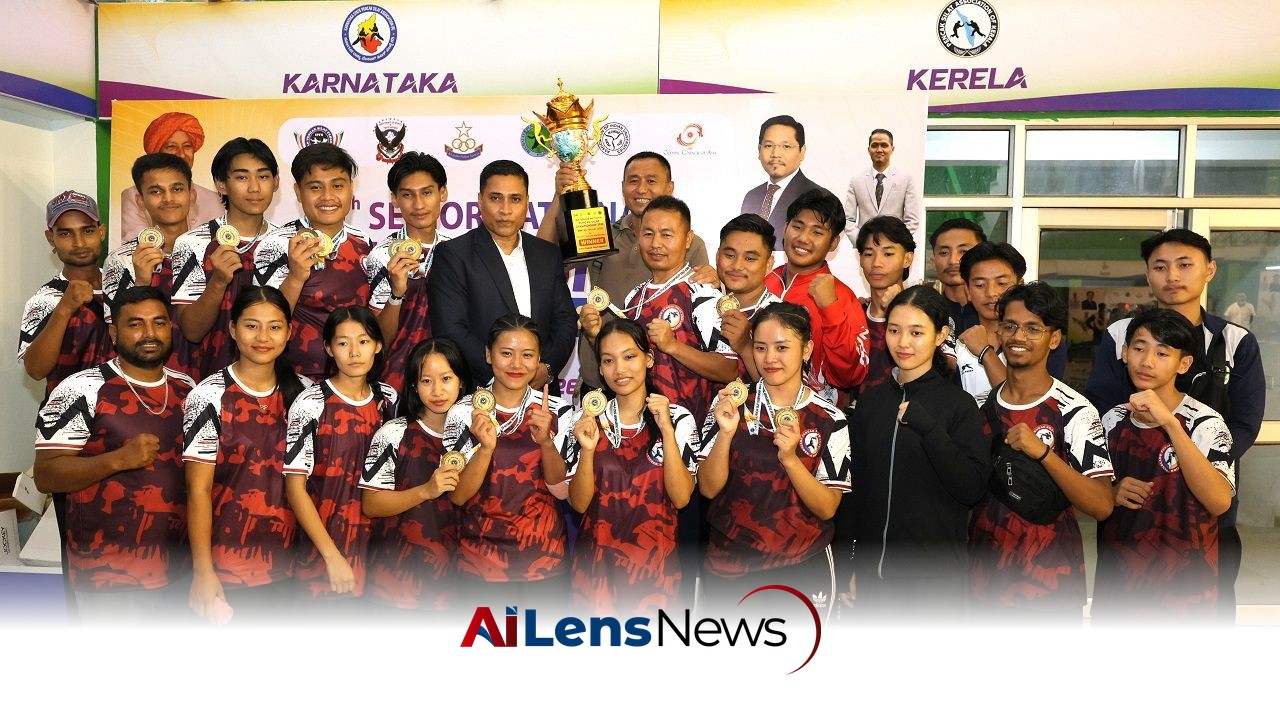


Nagaland emerges as champions at the 14th Senior National Pencak Silat Championship, showcasing remarkable talent and dedication in martial arts.
Shillong, India Jul 9, 2026 ALN: Nagaland emerged as the Overall Champions at the 14th Senior National Pencak Silat Championship 2026, while hosts delivered an outstanding performance to finish runners-up, marking another major milestone for the state’s rapidly growing presence in the martial art.
Nagaland topped the medal standings with six gold, two silver and one bronze medal, while the hosts secured four gold, two silver and six bronze medals. The All India Police Sports Control Board finished third with four gold, two silver and one bronze medal. This competition not only showcased the prowess of the athletes but also highlighted the increasing popularity and recognition of Pencak Silat across the country.
The result marks the second major national achievement for the Pencak Silat Association (MPSA), which was formed barely a year ago. Earlier this year, the association emerged as the Overall Champion at the Senior National Khelo India ASMITA Pencak Silat League 2025-26 for women. This rapid success is indicative of the dedication and hard work put in by the athletes and the association’s commitment to promoting the sport.
The three-day championship was held at the Sports Authority of India (SAI) centre on the NEHU campus in Shillong, bringing together around 1,500 martial artists from 36 states, Union Territories and sports boards. The event featured competitions in both the artistic (seni) and combat (tanding) categories and was organised by the Indian Pencak Silat Federation (IPSF) in collaboration with the MPSA. The large participation reflects the growing interest in Pencak Silat and the efforts being made to promote it as a mainstream sport in India.
Pencak Silat, a traditional Indonesian martial art, is currently part of the Asian Games programme, and there is growing hope that it will be included in the 39th National Games, which will host next year. The inclusion of Pencak Silat in such prestigious events would not only enhance its visibility but also provide a significant platform for athletes to showcase their skills on a national stage.
Addressing the closing ceremony, chief guest Mayralborn Syiem, MLA from Nongpoh and Chairman of the State Health Advisory Board, expressed hope that Pencak Silat would be included in the National Games. He emphasized the importance of such events in promoting sports and fostering unity among diverse cultures in India.
“This championship celebrates the diversity of India. I know that you athletes will take many joyous memories home with you, not just from the tournament but also from our beautiful state,” he said.
Gold Medals
Silver Medals
Bronze Medals
The contingent was coached by Thomas Rangthaluh, while Balamlang Khriam served as the team manager. Their guidance and strategic planning were crucial in preparing the athletes for the competition and ensuring that they performed at their best.
With successive national successes, Nagaland has firmly established itself as one of India’s emerging powerhouses in Pencak Silat. The achievements reflect the dedication of the MPSA, coaches and athletes, while strengthening the state’s ambitions of becoming a major force in multiple sporting disciplines ahead of hosting the 39th National Games. This rise in prominence not only boosts local morale but also encourages investment in sports infrastructure and training facilities.
The significance of this championship extends beyond mere medals. It showcases the potential of Pencak Silat to become a staple in Indian martial arts, which has historically been dominated by other disciplines such as wrestling, boxing, and karate. The inclusion of Pencak Silat in the National Games would not only elevate the sport's profile but also encourage younger generations to engage with martial arts, promoting physical fitness and discipline. Such engagement is crucial in a world where sedentary lifestyles are becoming increasingly common.
Moreover, the success of Nagaland in this championship is indicative of the growing interest in martial arts across the northeastern states of India. These regions have produced a wealth of talented athletes in various sports, and the rise of Pencak Silat adds another dimension to this trend. The state’s achievements can inspire other regions to invest in martial arts training and competitions, fostering a competitive spirit and camaraderie among athletes. This can lead to a more vibrant sports culture, encouraging local communities to come together and support their athletes.
Additionally, the Pencak Silat Association's rapid rise since its formation reflects a broader trend of grassroots sports development in India. With increased government support and community engagement, sports associations are emerging across different disciplines, providing athletes with the resources and training they need to excel on national and international stages. This is particularly important for sports that may not have received as much attention in the past, as it allows for a more diverse representation of sports at all levels.
The championship also serves as a platform for cultural exchange, where athletes not only compete but also share experiences and learn from one another. The diverse representation from various states and sports boards enriches the sporting environment, allowing participants to appreciate different styles and techniques inherent in Pencak Silat. Such exchanges can lead to a deeper understanding of the sport and its cultural significance, fostering respect and appreciation among athletes from different backgrounds.
As the Indian sports landscape continues to evolve, events like the 14th Senior National Pencak Silat Championship play a crucial role in shaping the future of martial arts in the country. The success of Nagaland’s athletes is a testament to their hard work and dedication, and it highlights the importance of continued investment in sports infrastructure and training programs across India. The government and private sectors must collaborate to create a supportive environment for athletes to thrive.
Looking ahead, the implications of this championship could be far-reaching. If Pencak Silat gains recognition at the National Games, it may pave the way for further integration into educational institutions and community sports programs, fostering a culture of martial arts among the youth. This could lead to increased participation rates and a stronger national presence in international competitions. Furthermore, it would provide a structured pathway for aspiring athletes to pursue their passion while also contributing to their personal development.
In conclusion, the 14th Senior National Pencak Silat Championship not only marked a significant achievement for Nagaland but also set the stage for the future of Pencak Silat in India. With the right support and momentum, this traditional martial art could flourish, contributing to the rich tapestry of Indian sports and culture. The enthusiasm and commitment demonstrated by the athletes, coaches, and organizers signal a promising future for Pencak Silat in the country, and it is essential to build on this momentum to ensure its growth and sustainability in the years to come.
To learn more about the latest developments in Combat Sports, stay updated with our exclusive reports and analyses on AiLensNews.

