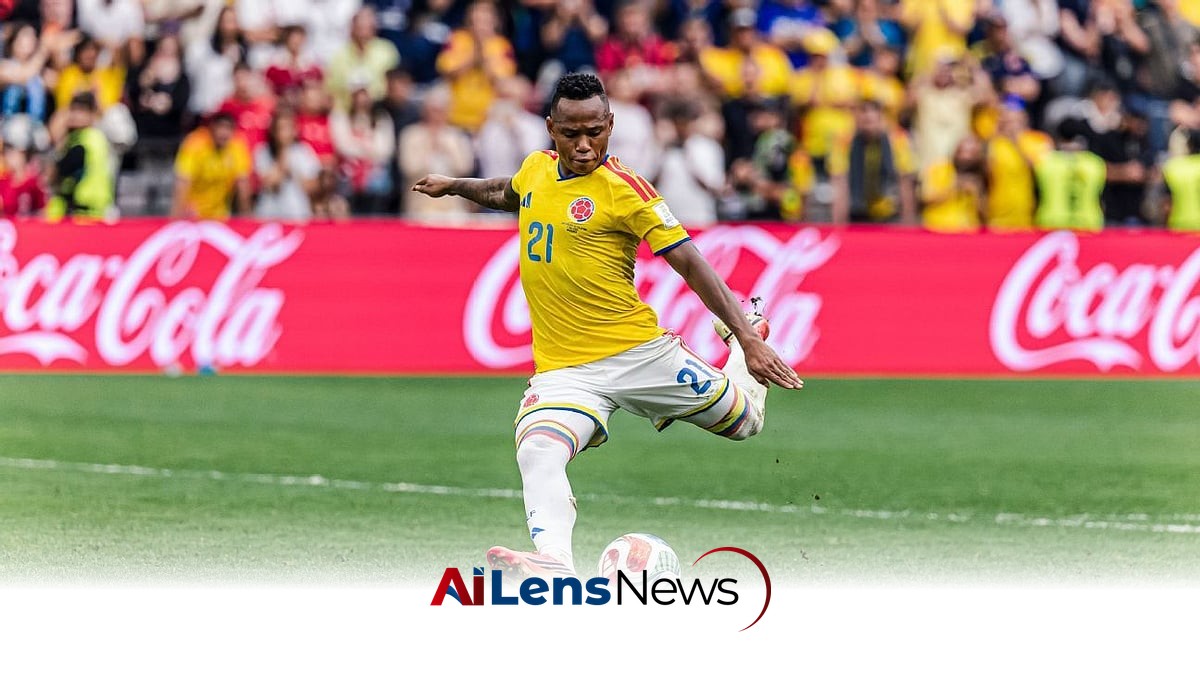


The Colombian Football Federation has condemned death threats against midfielder Jaminton Campaz following the team's World Cup exit and urged investigations.
Bogota, Colombia Jul 12, 2026 ALN: Bogota: The Colombian Football Federation (FCF) on Saturday urged authorities to investigate threats against midfielder Jaminton Campaz after the team’s World Cup elimination. The call to action comes in the wake of a distressing incident that highlights the intense pressure and scrutiny faced by professional athletes, particularly in high-stakes tournaments such as the FIFA World Cup.
The FCF stated that it had formally requested prosecutors to urgently identify and prosecute those responsible for the threats directed at Campaz. These threats emerged on social media platforms following a heartbreaking moment during the match when Campaz missed a crucial opportunity in extra time. His failure to score, which would have propelled Colombia into the quarter-finals, has drawn ire from some segments of the fanbase, illustrating the often harsh and unforgiving nature of public sentiment in the world of sports.
Colombia’s campaign in the World Cup concluded on Tuesday after a 4-3 defeat in a penalty shootout against Switzerland, following a tense goalless draw in Vancouver. This loss was particularly painful for Colombian fans, as the national team had high hopes of advancing further in the tournament, especially given the talent and potential displayed by its players throughout the competition. The disappointment resonated deeply within a nation that has a rich footballing history and passionate supporters.
In an official message, the FCF expressed its solidarity with Campaz, stating, “We express our full solidarity and support for Jaminton Campaz, his family, all the players of the Colombian national team and the delegation as a whole.” The federation's statement reflects a broader commitment to protect players from harassment and violence, emphasizing the importance of a supportive environment for athletes who represent their country on the international stage. The solidarity shown by the FCF is not only a necessary response to the threats but also a critical reinforcement of the message that players should not face personal attacks for on-field performances.
The federation also called upon the attorney general’s office to take swift action, urging the necessary investigations to identify, prosecute, and punish those responsible for the threats. This stance underscores the FCF's recognition of the serious implications of such threats, not only for Campaz but also for the integrity of the sport and the safety of all players. The call for accountability is essential in ensuring that athletes can perform without fear of retribution, and it reflects a growing awareness of the responsibilities that come with being a fan in the digital age.
In its condemnation of the threats against Campaz's life and safety, the FCF reiterated that players representing Colombia do so with deep commitment and love for their country. This sentiment is crucial in fostering a culture of respect and support for athletes, who often face immense pressure to perform and meet the expectations of passionate fans. The emotional toll on players can be significant, as they navigate the demands of professionalism while also grappling with their own aspirations and disappointments.
During the match against Switzerland, with only the goalkeeper to beat, Campaz blazed a shot over the crossbar in extra time. This miss was particularly significant as it represented a pivotal moment that could have shifted the outcome of the match and allowed Colombia to advance to the last eight of the tournament. The emotional weight of such moments can be incredibly taxing for players, who are often left to grapple with the consequences of their actions on the field. The incident serves as a reminder of the fine margins that often define success and failure in sports.
The 26-year-old midfielder, who plays for Argentine club Rosario Central, did not return to Colombia immediately after the defeat, likely due to the emotional toll of the match and the subsequent threats. In a heartfelt social media post, he shared a photo of himself covering his face in anguish, accompanied by a message of apology to fans. He expressed, “I deeply regret not being able to give you the joy we all hoped for, but I want you to know that I never lacked commitment, dedication or love for this shirt. I gave everything I had on the field, and I would do it again a thousand times for my country.” His words reflect the deep emotional connection athletes often have with their national teams, as well as the burden of expectations placed upon them by fans and the media alike.
This incident inevitably evokes memories of Colombia’s tragic history with violence in football, particularly recalling the 1994 World Cup elimination when defender Andres Escobar was assassinated in Medellin just days after scoring an own goal against the United States. Escobar's death serves as a stark reminder of the extreme consequences that can arise from the pressures of international competition and the sometimes toxic atmosphere surrounding sports fandom. The legacy of Escobar's assassination continues to cast a long shadow over Colombian football, prompting discussions about the need for a more supportive and understanding environment for players.
The FCF's statement also emphasized the need for football to be a space for unity, respect, and hope, rather than a stage for hatred, intimidation, or violence. This call to action is particularly relevant in today's context, where social media can amplify negative sentiments and lead to real-world consequences for individuals, especially athletes who are often in the public eye. The role of social media in shaping public perception of athletes cannot be overstated, as it can serve as both a platform for support and a tool for harassment.
As discussions around mental health in sports gain momentum, the need for supportive structures and protections for players becomes increasingly clear. The FCF's response to the threats against Campaz is a crucial step in addressing the culture of harassment that can permeate sports, particularly in high-pressure environments like the World Cup. The importance of mental health resources and support systems for athletes is becoming more recognized, emphasizing that performance should not come at the expense of an individual's well-being.
In conclusion, the FCF's actions in support of Jaminton Campaz highlight the importance of protecting athletes and fostering a culture of respect within sports. The federation's call for investigations into the threats against Campaz is not just about addressing a singular incident; it is about advocating for a broader change in how athletes are treated and perceived, both on and off the field. As the world of football continues to evolve, it is imperative that the focus remains on creating a safe and supportive environment for all players, allowing them to perform at their best without fear of retribution or violence. The need for empathy and understanding in the realm of sports is greater than ever, as the lives and careers of athletes are often shaped by the reactions of fans and the pressures of competition.
To learn more about the latest developments in Basketball, stay updated with our exclusive reports and analyses on AiLensNews.

