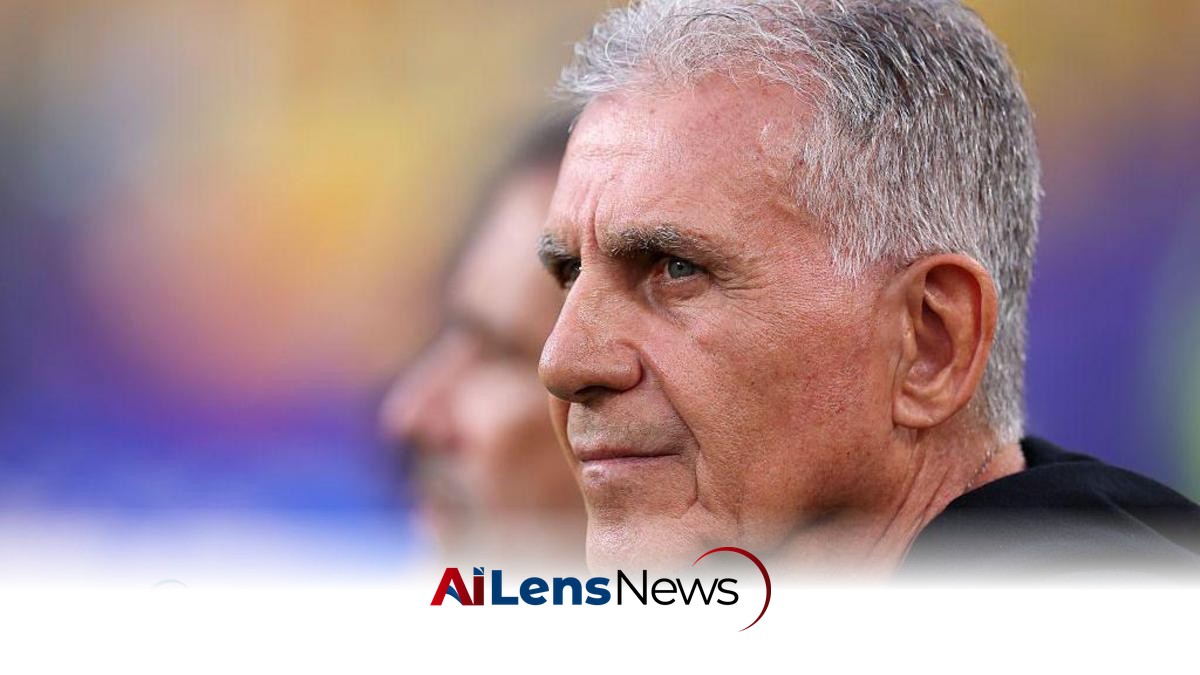


Carlos Queiroz steps down as Ghana head coach after three months in charge following their World Cup exit.
New Delhi, India Jul 6, 2026 ALN: Carlos Queiroz has stepped down as Ghana head coach after three months in charge following their World Cup exit in the last 32.
The 73-year-old took charge in April and led his side to a third-place finish in Group L before they were beaten 1-0 by Colombia in the first round of the knockouts. Queiroz's short tenure has been marked by a mix of anticipation and disappointment, as the Ghanaian national team was expected to perform better given its rich history and talent pool.
Queiroz, a seasoned manager, was managing at his fifth consecutive World Cup, having also led teams such as Iran, Portugal, and Egypt at major tournaments. His extensive experience at the highest levels of international brought a sense of hope to Ghanaian fans who were eager to see their team return to the heights of previous World Cups, particularly after the team's remarkable run to the quarter-finals in 2010. That year, Ghana came agonizingly close to reaching the semifinals, only to lose in a dramatic penalty shootout against Uruguay, a moment that is still etched in the memories of fans.
However, the 2022 World Cup campaign did not meet the expectations of supporters and analysts alike. Ghana's performance in the tournament has been a topic of heated discussion, with many calling for a thorough review of the team's strategy and player selection. The squad seemed to struggle with consistency and cohesion, which ultimately led to their early exit from the tournament. The loss to Colombia in the knockout stage was particularly disappointing, as it highlighted the team's inability to convert opportunities into goals, a recurring issue throughout the tournament. Critics pointed out that despite having talented players, the tactical execution and decision-making on the pitch were lacking, raising questions about the coaching staff's effectiveness in preparing the team.
The situation surrounding Queiroz's departure is not unique. He was one of two World Cup managers to leave their post on Sunday, with Jordan also parting ways with head coach Jamal Sellami following their fourth-place finish in Group J. This trend of managerial changes following disappointing World Cup performances underscores the high stakes and pressures that come with international , especially in a tournament that occurs only once every four years. The intense scrutiny from media, fans, and associations creates an environment where results are paramount, and failure to meet expectations often leads to swift changes in leadership.
Queiroz's exit raises significant questions about the future direction of Ghana's national team as they look to rebuild after this disappointing tournament. The Ghana Association (GFA) will need to act quickly to appoint a new head coach ahead of upcoming qualifiers and tournaments. This new appointment will be crucial, as the next World Cup cycle approaches, and the new coach will face the challenge of revitalizing the squad and restoring confidence among players and supporters. The GFA's decision-making process in selecting a new coach will be critical. They will need to consider not only the tactical acumen of potential candidates but also their ability to foster a positive team culture and develop young talent.
Ghana's ing history is rich and storied, with the Black Stars being one of Africa's most successful teams. They have qualified for the World Cup on multiple occasions and were seen as a powerhouse in African . However, in recent years, they have struggled to replicate their past successes, which include a strong showing in the 2006, 2010, and 2014 World Cups. The team has undergone numerous changes in management and player personnel, which has contributed to a lack of stability and continuity. The transition from a golden generation of players, who were instrumental in Ghana's successes in the late 2000s, to a newer, less experienced squad has proven challenging.
Moreover, the implications of Queiroz's departure extend beyond just the coaching staff. It raises questions about the overall strategy of the GFA and its commitment to developing a competitive national team. The association may need to reevaluate its approach to player development, scouting, and youth programs to ensure that they are equipped to compete at the highest levels. Ghana is known for producing skilled players, and harnessing this talent effectively will be essential for the national team's future success. The GFA might consider investing more in grassroots development and establishing better training facilities to nurture young talents.
As the search for a new head coach begins, the GFA will likely face pressure from fans and stakeholders to make a swift and effective decision. The next coach will not only need to implement tactical changes but also inspire a new generation of players who may feel disheartened by the recent performances. Building a sense of unity and purpose within the team will be paramount. The new head coach will need to create an environment where players can thrive and feel motivated to represent their country with pride.
In conclusion, Carlos Queiroz's brief tenure with Ghana has ended in disappointment, and the search for a new leader begins as the team aims to bounce back from their World Cup exit. The future of Ghanaian hangs in the balance, and the decisions made in the coming weeks will significantly impact the trajectory of the national team as they prepare for the next chapter in their quest for international success. The GFA's ability to stabilize the coaching position and implement a clear vision for the team will be crucial in restoring Ghana's status as a formidable force in African and beyond.
To learn more about the latest developments in Cricket, stay updated with our exclusive reports and analyses on AiLensNews.

