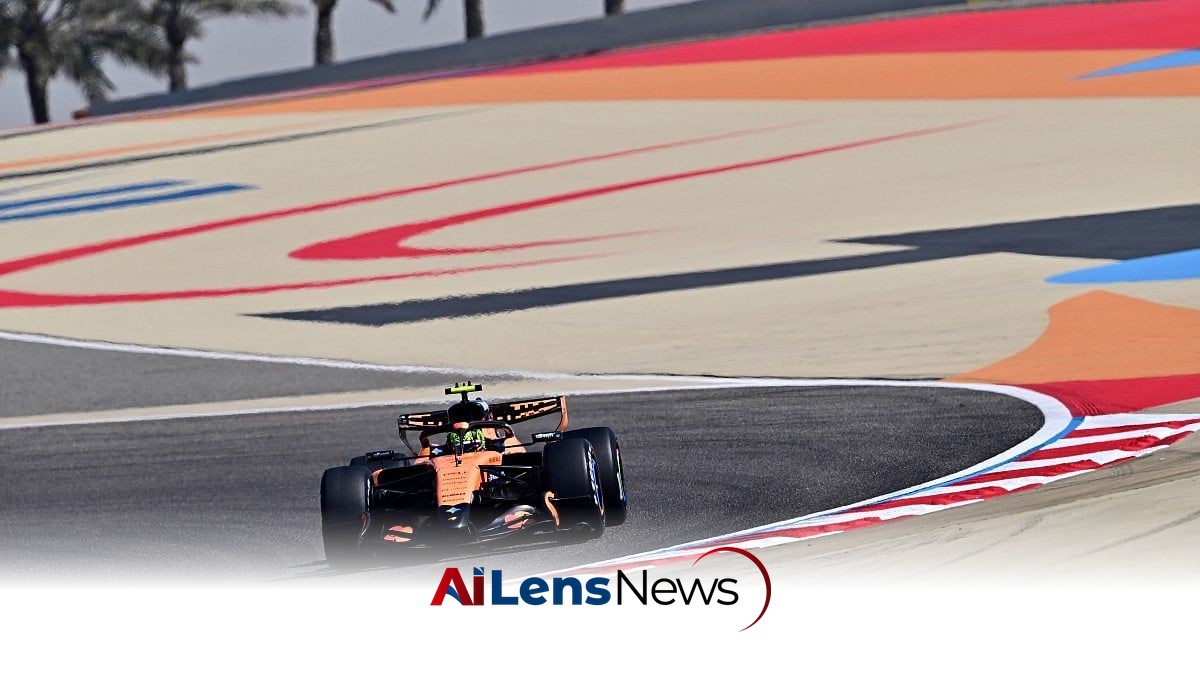


The Bahrain Grand Prix will now take place at Malaysia's Sepang Circuit from October 2-4, 2026, following unrest in the Middle East.
Doha, Qatar Jul 26, 2026 ALN: The Bahrain Grand Prix, a significant event in the Formula 1 calendar, has been relocated to the Sepang International Circuit in Malaysia due to ongoing unrest in the Middle East. Originally scheduled to take place from April 10-12 at the Bahrain International Circuit in Sakhir, the race was cancelled alongside the Saudi Arabian Grand Prix in Jeddah, which was set to occur the following week. The decision to move the Bahrain Grand Prix to Malaysia marks a notable shift in the 2026 Formula 1 calendar, with the race now scheduled for October 2-4, just before the Singapore Grand Prix and after the Azerbaijan Grand Prix.
This decision highlights the challenges faced by Formula 1 in maintaining its schedule amidst geopolitical tensions. The unrest in the Middle East has raised concerns regarding the safety of participants and spectators, prompting the governing bodies of the sport, including Formula 1 and the FIA, to prioritize the well-being of all involved. The collaboration between Formula 1, the FIA, and the respective governments of Bahrain and Malaysia underscores the sport's commitment to adaptability and resilience in the face of adversity.
Sepang International Circuit, which opened its doors to Formula 1 in 1999, is renowned for its challenging layout and passionate fan base. The circuit has hosted numerous memorable races over the years, becoming a beloved venue among drivers and fans alike. Known for its unpredictable weather, which can include heavy rain and high humidity, the Sepang circuit presents a unique set of challenges that test the skill and endurance of the drivers. The return of Formula 1 to Malaysia is expected to rekindle the enthusiasm of local fans, who have long awaited the sport's return since the last Malaysian Grand Prix was held in 2017.
Stefano Domenicali, President and CEO of Formula 1, expressed his satisfaction with the agreement, stating, "We are delighted to confirm that Malaysia will host the Bahrain Grand Prix in 2026. Once again, the sport has demonstrated its ability to adapt, find solutions, and deliver, creating an exciting moment for everyone who follows Formula 1." His remarks reflect the broader sentiment within the sport regarding the importance of flexibility and innovation in overcoming obstacles.
Mohammed Ben Sulayem, the President of the FIA, echoed these sentiments, highlighting the pride he feels in the collaborative effort that has made this relocation possible. He stated, "I am incredibly proud of the collaboration that will enable Malaysia to host the 2026 Bahrain Grand Prix at the iconic Sepang circuit later this year." His comments emphasize the unity among the various stakeholders in the sport, working together to ensure that fans continue to enjoy the thrill of Formula 1 racing.
The implications of this relocation extend beyond the immediate logistics of the race. For Formula 1, maintaining a full calendar is crucial for financial stability, as races generate significant revenue through ticket sales, sponsorships, and broadcasting rights. The cancellation of the Bahrain and Saudi Arabian Grands Prix could have resulted in substantial financial losses, impacting teams, sponsors, and the overall viability of the sport in the region. By relocating the Bahrain Grand Prix to Malaysia, Formula 1 not only preserves a vital component of its calendar but also mitigates potential economic fallout.
Furthermore, the decision to hold the Grand Prix in Malaysia may also reflect a strategic move to diversify the locations of races. As Formula 1 continues to expand its global footprint, hosting races in a variety of regions allows the sport to reach new audiences and build a more inclusive fan base. The Sepang International Circuit has a rich history in the sport and is well-equipped to handle the logistical demands of a Formula 1 event, making it a fitting alternative venue.
In light of these developments, there are also ongoing discussions regarding the future of the Saudi Arabian Grand Prix. The FIA is reportedly considering a new date for the race, although specifics have yet to be determined. This situation underscores the delicate balance that Formula 1 must maintain between ensuring the safety of its participants and fulfilling its commitments to race venues around the world.
The potential financial ramifications of the cancellations in Bahrain and Saudi Arabia remain a topic of concern. Analysts are examining how these changes will impact the budgets of teams and the overall financial ecosystem of Formula 1. The sport's ability to adapt and recover from such disruptions will be closely monitored by stakeholders, including sponsors, teams, and fans.
As the October race date approaches, anticipation is likely to build among fans and teams alike. The return of Formula 1 to Malaysia not only brings excitement but also a sense of continuity in the face of uncertainty. The Sepang International Circuit, with its history of thrilling races and passionate fans, is poised to deliver an unforgettable experience for all involved.
The Sepang International Circuit has been a pivotal venue in the history of Formula 1, hosting its first race in 1999 and quickly becoming known for its high-speed straights and challenging corners. The circuit is designed to test the limits of both car performance and driver skill, which has contributed to many exciting races over the years. The 5.543-kilometer track has seen numerous memorable moments, including dramatic overtakes and unexpected weather conditions that have often played a crucial role in race outcomes.
Moreover, the circuit's facilities and infrastructure are well-regarded, providing excellent support for teams and fans alike. The venue has the capacity to accommodate large crowds, and its location near Kuala Lumpur makes it accessible for both local and international spectators. The Malaysian Grand Prix has historically attracted a diverse audience, contributing to a vibrant atmosphere that enhances the overall experience of Formula 1 racing.
In recent years, the absence of the Malaysian Grand Prix has been felt by fans who have long cherished the excitement and energy that the event brought to the region. The return of Formula 1 to Malaysia is expected to not only reignite the passion of existing fans but also attract new followers to the sport. The strategic timing of the race, positioned just before the Singapore Grand Prix, could create a compelling back-to-back race weekend for fans in the region, providing an opportunity for a unique racing experience.
Additionally, the decision to relocate the Bahrain Grand Prix to Malaysia underscores the importance of flexibility in the face of global challenges. The COVID-19 pandemic had already forced Formula 1 to adapt its calendar significantly in previous seasons, leading to a series of race cancellations and venue changes. The ongoing geopolitical tensions in the Middle East present a different set of challenges, but the sport's ability to pivot and find alternative solutions demonstrates its resilience and commitment to maintaining a full racing calendar.
The collaboration between the FIA, Formula 1, and the governments of both Bahrain and Malaysia reflects a unified approach to navigating these complexities. It highlights the importance of communication and cooperation among stakeholders in ensuring the safety and enjoyment of fans and participants. As the sport continues to evolve, these partnerships will be crucial in addressing future challenges and ensuring the sustainability of Formula 1 as a global sporting phenomenon.
In conclusion, the relocation of the Bahrain Grand Prix to Malaysia's Sepang Circuit is a testament to the resilience and adaptability of Formula 1. As the sport navigates the complexities of global events, it continues to seek solutions that prioritize safety while delivering thrilling racing experiences. The collaboration between various stakeholders serves as a reminder of the unity within the sport, and the excitement surrounding the upcoming race is sure to reignite the fervor of fans in Malaysia and beyond. The anticipation for the October race will serve as a barometer for the sport's ability to engage with its audience and adapt to the ever-changing landscape of international motorsport.
To learn more about the latest developments in Golf, stay updated with our exclusive reports and analyses on AiLensNews.

