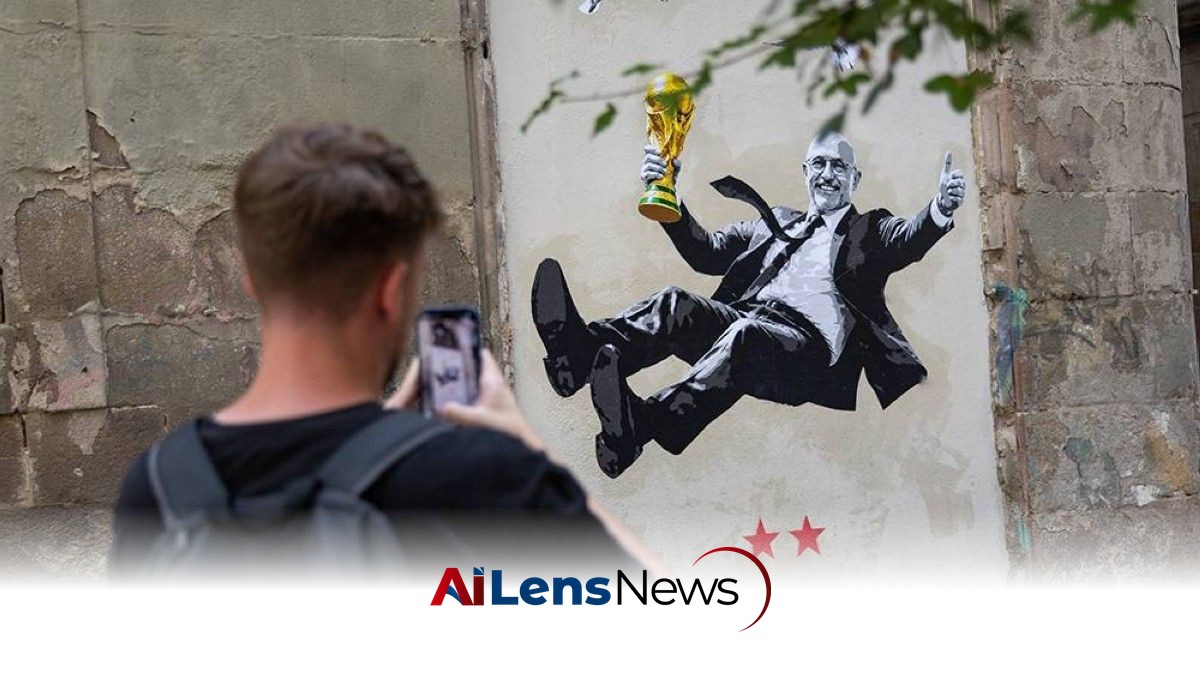


Luis De la Fuente condemns the 'unacceptable' behavior of Argentina players post-match, highlighting the need for sportsmanship.
Kuwait City, Kuwait Jul 24, 2026 ALN: Spain head coach Luis De la Fuente has blasted the “unacceptable” behaviour of several Argentina players and their coaching staff after losing the World Cup final. Some Argentina players and staff confronted their Spanish rivals after the final whistle of last Sunday’s game in New York, which Spain won 1–0 after extra time.
Argentina players including Atletico Madrid defender Nahuel Molina and former Paris Saint-Germain player Leandro Paredes were involved in the incidents. These confrontations occurred in a high-stakes environment, where emotions often run high, particularly after a closely contested match such as a World Cup final. The World Cup, held every four years, is the pinnacle of international football, drawing immense global attention and passion from fans and players alike. The pressure to perform can lead to heightened emotions, making the aftermath of such matches particularly volatile.
“At the time, I didn’t realise it. I was celebrating, hugging teammates,” De La Fuente told Spanish television. His comments reflect the intense atmosphere surrounding such monumental matches, where the euphoria of victory can often overshadow the tension of competition. The sense of joy in victory can sometimes morph into an emotional release that, while understandable, can lead to regrettable actions. Coaches and players alike must navigate these complex emotional landscapes, often under the scrutiny of millions.
“But in any case, it is intolerable, unacceptable, it cannot be allowed. Players of that stature, whom I praised in the days leading up to the match and continue to praise, who are great players with a tremendous coach, surely they must have felt just as bad as we did seeing those reactions.” De La Fuente’s remarks suggest a strong sentiment within the football community regarding sportsmanship and the expectations of professional athletes, particularly those on the world stage. The expectation for players to conduct themselves with dignity, even in defeat, is a cornerstone of sportsmanship that transcends cultures and borders.
De La Fuente praised the exemplary behaviour of his own players faced with these “acts of aggression” and “provocations” which he believes could have escalated into more serious incidents. His comments highlight the importance of maintaining professionalism and composure, especially in the aftermath of a high-pressure match where the stakes are at their highest. The ability to remain calm under pressure is a trait that is often cultivated through experience and strong leadership, both on and off the field.
The incidents following the match have drawn attention not only from fans but also from football authorities. Although the scenes were filmed and widely shared on social media, they have not yet resulted in any sanctions against the Argentina players. This raises questions about accountability and the standards of conduct expected from players and coaching staff at such prestigious events. The lack of immediate repercussions may lead to discussions about the effectiveness of existing disciplinary measures and whether they are sufficient to deter unsportsmanlike conduct.
FIFA has opened an investigation into the incidents to determine whether there may have been violations of the world football governing body’s disciplinary code. This investigation underscores FIFA's commitment to upholding the integrity of the game and ensuring that all participants adhere to a code of conduct that promotes respect and sportsmanship. FIFA's role in regulating conduct is crucial, as it sets the standard for behaviour in football, influencing leagues and tournaments worldwide.
The context of the World Cup final is significant. It is not only the culmination of a tournament that showcases the best talent in international football but also a moment that can define careers and national pride. The emotional weight of such a match can lead to heightened tensions, and this incident serves as a reminder of the fine line between passion and professionalism in sports. The stakes are incredibly high, and the pressure to win can sometimes cloud judgment, leading to actions that may not align with the values of the sport.
Historically, football has seen its share of post-match controversies, often stemming from the intense rivalries and national pride associated with international competitions. The reactions of players and coaching staff can sometimes overshadow the achievements on the pitch, leading to debates about sportsmanship and the behavior expected from elite athletes. Such incidents are not new; they reflect a long-standing tradition of fierce competition that can occasionally spiral into unsportsmanlike conduct.
In addition, the role of social media in amplifying these incidents cannot be overlooked. The widespread sharing of videos and images can contribute to the public discourse surrounding player conduct and can influence the perceptions of fans and officials alike. This phenomenon has changed the landscape of sports reporting and accountability, as actions that may have gone unnoticed in the past can now be scrutinized by millions in real-time. The instantaneous nature of social media means that reactions, both positive and negative, can spread rapidly, impacting the reputations of players and teams almost immediately.
The implications of FIFA's investigation could be significant, not only for the players involved but also for the broader football community. Depending on the findings, there could be calls for stricter enforcement of disciplinary measures, as well as discussions about the need for educational programs aimed at promoting sportsmanship among players at all levels. The potential for sanctions could serve as a deterrent for future incidents, encouraging players to think twice before engaging in unsportsmanlike behaviour.
Moreover, the incident raises questions about the responsibilities of coaches and staff in managing their players' emotions and reactions during and after matches. Coaches play a crucial role in setting the tone for their teams, and how they respond to intense situations can have lasting effects on their players and the overall culture of the sport. The ability to guide players through the emotional turbulence of competition is a vital skill for coaches, one that requires both empathy and authority.
As the football world awaits the outcome of FIFA's investigation, the incident serves as a poignant reminder of the challenges faced by athletes in balancing competitive spirit with the values of respect and fair play. The actions of players and staff in high-pressure situations will continue to be a topic of discussion, as stakeholders at all levels of the sport strive to foster an environment that prioritizes integrity and sportsmanship. The ongoing dialogue surrounding player conduct is essential for the evolution of the sport, as it seeks to uphold its values while adapting to the changing landscape of competition.
In conclusion, while the immediate focus is on the incidents following the World Cup final, the broader implications of this situation extend into discussions about player conduct, the role of social media in sports, and the responsibilities of coaching staff. As the investigation unfolds, it will be interesting to see how FIFA addresses these issues and what measures might be implemented to prevent similar occurrences in the future. The outcome could set a precedent for how similar situations are handled in the future, shaping the culture of football for generations to come.
To learn more about the latest developments in Golf, stay updated with our exclusive reports and analyses on AiLensNews.

