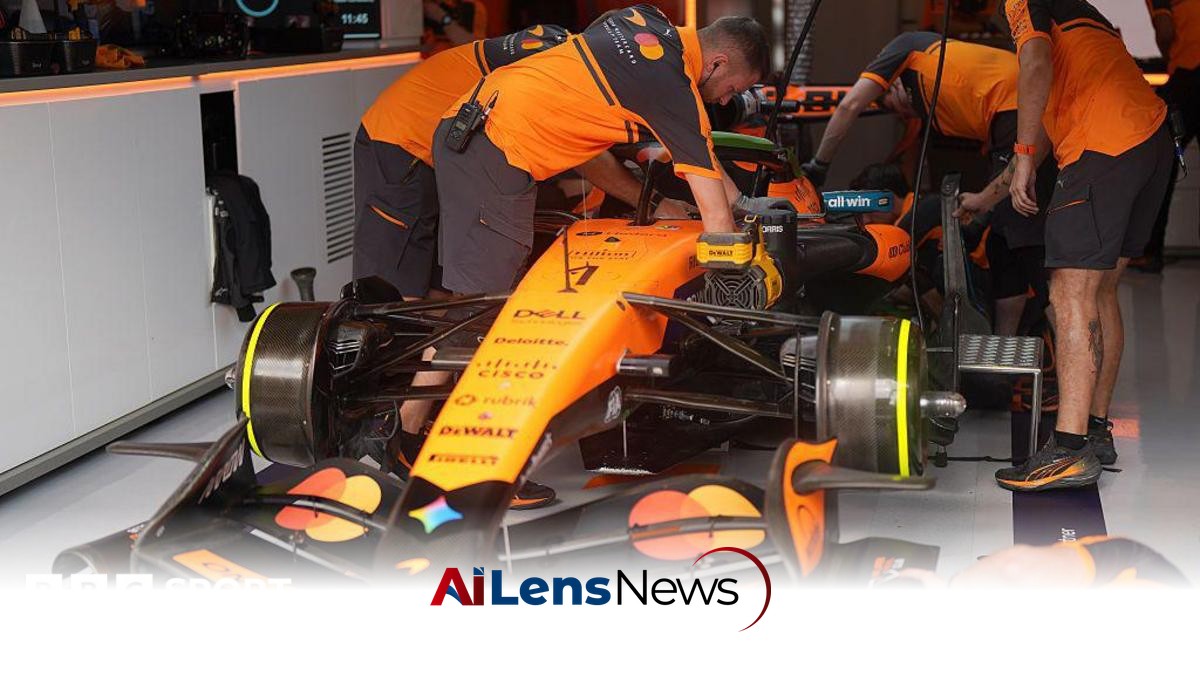


The F1 summer shutdown is a mandatory break for teams, preventing any work on car performance for two weeks. This article explores its significance.
New Delhi, India Aug 13, 2026 ALN: The summer shutdown, implemented by 1's governing body the FIA, is a mandatory 14-day consecutive period where all competitors and their staff are prohibited from working.
This initiative is designed to ensure that all teams have an equal opportunity to compete without the pressure of continuous development, which can lead to an uneven playing field. During this two-week period, teams are not allowed to engage in any activities related to car performance. This includes design, development, and production of parts, as well as the use of simulators. By enforcing this shutdown, the FIA aims to prevent any team from gaining an unfair advantage through continuous technical advancements during the racing season.
The regulations extend beyond just car development. Communication about performance—including emails, phone calls, and meetings—is strictly forbidden during the shutdown. This comprehensive ban on work and discussions related to performance not only levels the competitive landscape but also helps in managing costs across the teams. The pause in operations allows teams to reset and refocus, ensuring that they return to the track with fresh perspectives.
To comply with the summer shutdown rules, teams must notify the FIA of their intended shutdown period. Typically, this period is scheduled to fall between the Hungarian Grand Prix, which occurs at the end of July, and the Dutch Grand Prix, which takes place towards the end of August. In practice, most teams opt for the middle two weeks of this timeframe. This scheduling allows ample time to debrief after the previous race and prepare for the upcoming challenges of the season.
Exceptions to the shutdown rules do exist. For instance, teams are permitted to carry out repairs to cars that have been "seriously damaged" during races, provided they receive prior approval from the FIA. This clause acknowledges that accidents can occur on the track, and teams need to ensure that their cars are safe and competitive for the remainder of the season.
Penalties for breaking the shutdown rules are stringent. Any team found to be in violation of these regulations could face significant repercussions, which could range from fines to points deductions in the championship standings. The enforcement of these penalties underscores the importance the FIA places on maintaining a fair competitive environment in the .
While the summer shutdown significantly restricts operational activities related to car performance, it does allow departments that focus on non-performance-related aspects—such as marketing, finance, and legal—to continue their work. This flexibility enables teams to manage their business operations effectively, even during a period of enforced downtime.
In addition to the summer shutdown, there is a second shutdown period at the end of the F1 season, which lasts for nine consecutive days in December. This additional break serves a similar purpose, allowing teams to regroup and plan for the next season while also adhering to the FIA's regulations surrounding operational limits.
The summer break in F1 typically spans just under four weeks, generally occurring between the end of July and the end of August. For the 2026 season, the summer break commenced on Monday, 27 July, following the race in Hungary. It is scheduled to last until the Dutch Grand Prix weekend, which begins on Friday, 21 August. After this break, twelve races remain on the calendar, intensifying the competition as teams gear up for the final stretch of the season.
The summer shutdown serves multiple purposes beyond just a break for teams. It is a crucial component of the F1 calendar that influences strategy, development timelines, and financial planning for the teams. The enforced pause allows teams to reflect on their performance thus far and to strategize for the remaining races. This period can be particularly significant for teams that may be struggling, as it provides an opportunity to reassess their approach and make necessary adjustments without the pressure of ongoing competition.
Moreover, the summer break can also impact driver performance and team dynamics. With a two-week break, drivers have the chance to rest and recharge, which can lead to improved focus and performance in the remaining races. Teams often use this time to strengthen their internal relationships and build morale, which can be pivotal in high-pressure environments like 1.
In conclusion, the summer shutdown is an essential feature of the 1 calendar, designed to promote fairness and balance among competing teams. By enforcing a mandatory break from car development and performance-related work, the FIA ensures that all teams have a level playing field, while also allowing for necessary downtime for personnel involved in the . As the 2026 season progresses, the implications of the summer shutdown will continue to unfold, influencing strategies, performance, and the overall dynamics of the championship.
What is the format for F1 sprint races in 2025?
What is DRS in F1 and what's coming next?
What are penalty points in F1 and how do they work?
F1
Motor Racing
The summer shutdown is not merely a break for teams; it is a strategic element that can have lasting effects on the competitive landscape of 1. As teams take this time to recharge, they also analyze the data collected from the first half of the season, allowing them to make informed decisions moving forward. This reflection can lead to significant improvements in car performance, as teams may identify areas that need enhancement or strategies that require adjustment.
Furthermore, the summer shutdown can also influence driver contracts and team dynamics. As teams evaluate their performance, they may consider changes to their driver lineups. The break provides an opportunity for management to assess whether their current drivers are meeting expectations or if they need to seek new talent for the upcoming races. This can lead to a flurry of activity in the driver market, as teams look to secure the best talent available for the next season.
The FIA's decision to implement the summer shutdown reflects a broader trend in motor towards sustainability and fairness. By ensuring that all teams have the same opportunity to develop their cars within a specified timeframe, the FIA is promoting a more competitive and engaging . This initiative also helps to mitigate the financial pressures that can arise from continuous development, particularly for smaller teams that may not have the same resources as their larger counterparts.
In addition to the competitive advantages provided by the summer shutdown, there are also significant implications for fan engagement. The break allows fans to digest the first half of the season, reflect on the performances of their favorite teams and drivers, and build anticipation for the remaining races. This period can enhance fan loyalty, as supporters feel more connected to the when they see teams taking a structured approach to their development and performance.
Overall, the summer shutdown is a multi-faceted aspect of 1 that serves to balance competition, promote fairness, and allow teams to regroup strategically. Its implications are far-reaching, impacting everything from car development and driver contracts to fan engagement and financial planning. As the continues to evolve, the summer shutdown will remain a vital component of the 1 calendar, shaping the future of the championship in meaningful ways.
To learn more about the latest developments in Formula 1 & Motorsports, stay updated with our exclusive reports and analyses on AiLensNews.

