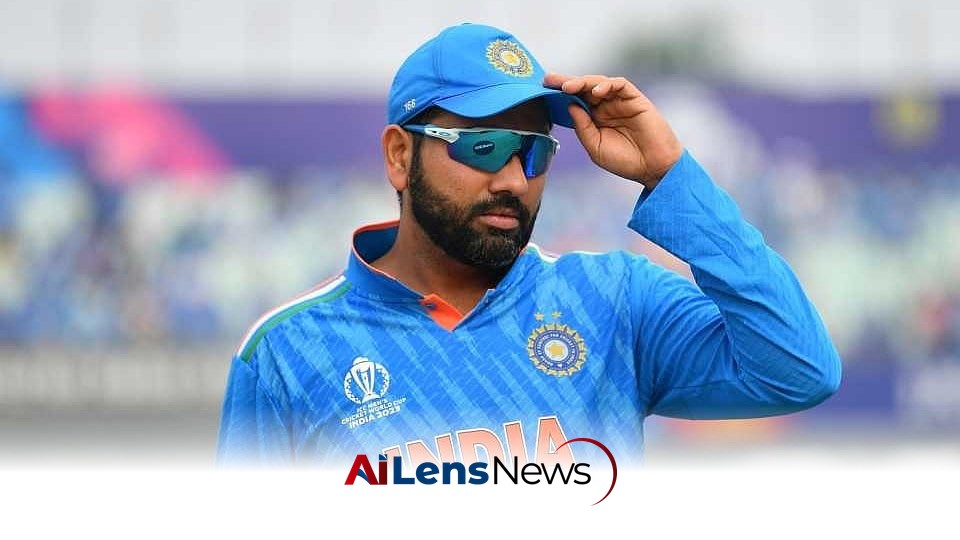


Reports suggest Rohit Sharma may play his final ODI on July 19 against England, with selectors indicating he won't be part of future plans.
New Delhi, India Jul 17, 2026 ALN: Former Team India captain and star opener Rohit Sharma is reportedly facing a significant crossroads in his cricketing career as he might play his last One-Day International (ODI) match on July 19 against England at the iconic Lord's Cricket Ground. This development has sparked a wave of outrage among fans who are concerned about the future of one of India's most celebrated cricketers.
According to a report by The Indian Express, Indian selectors have allegedly informed the 39-year-old opening batter that he is not part of their future plans following the ongoing England series. This news has sent shockwaves through the cricket community, as Rohit Sharma has been a pivotal figure in Indian cricket for over a decade, leading the team with both his bat and his captaincy.
The rationale behind the selectors’ decision appears to be a strategic move to build a younger team in preparation for the ICC Men's ODI World Cup 2027. The Indian cricket team has been under scrutiny for its performance in recent years, and there is a growing consensus that a generational shift is necessary. Young talents like Yashasvi Jaiswal are expected to be groomed to take over from seasoned players like Sharma, who has been instrumental in many of India's cricketing successes.
Key Details From The Report:
Rohit wants to keep playing: Despite the selectors’ apparent decision, the report indicates that Rohit Sharma has been working diligently on his fitness and has expressed a desire to continue playing ODIs. This determination showcases his passion for the game and his commitment to contributing to the Indian cricket team.
Rohit is unhappy: Sources suggest that Rohit has voiced his dissatisfaction regarding the selectors' decision to cricket officials during the current England tour. This sentiment of unhappiness reflects not only his personal aspirations but also the emotional connection he has with the sport and his role within the team.
Recent retirements: Rohit Sharma's potential retirement from ODIs comes on the heels of his previous decisions to step back from T20I matches after winning the ICC Men's T20 World Cup 2024 and retiring from Test cricket in May 2025. These moves have raised questions about the future of experienced players in a sport that is increasingly leaning towards youth and dynamism.
Current form: Rohit Sharma's recent performance has also been a concern, as he has struggled to score runs in the current series against England, managing only 11 runs in the first match and 26 in the second. This dip in form may have contributed to the selectors' decision-making process, as consistency and performance are critical factors in team selection.
As of now, neither Rohit Sharma nor the Board of Control for Cricket in India (BCCI) has made an official announcement regarding his retirement. The lack of clarity has left fans and cricket analysts speculating about the implications of such a significant transition in the Indian cricket team.
The reaction from fans has been overwhelmingly vocal, with many expressing disbelief over the reports. A particular fan shared their thoughts on social media, questioning the timing and motivation behind the selectors' claims. They argued that it is unusual for selectors to communicate such sensitive information right before an important series, particularly when another ODI series is scheduled just two months after the conclusion of the current one.
Furthermore, fans have pointed out inconsistencies in the narrative surrounding Rohit Sharma's future. If the selectors were indeed planning for the future with players like Jaiswal, they would have likely included him in the current series, even if it meant having him sit on the bench. The timing of these reports, coming to light only after Rohit’s poor performance, raises further questions about their validity and intentions.
This situation is reminiscent of the discussions and speculations that have surrounded players in the past, particularly during pivotal moments in their careers. The cricketing community often finds itself grappling with the balance between nurturing young talent and valuing the experience that seasoned players bring to the table. The ongoing debate highlights the challenges faced by selectors as they seek to build a competitive team while also being sensitive to the legacies of established players.
As Rohit Sharma approaches what could be the final chapter of his ODI career, the implications extend beyond just one player. His potential retirement could signify a broader shift in Indian cricket, with younger players stepping into significant roles and the team adapting to the evolving dynamics of international cricket. The emotional investment that fans have in players like Rohit Sharma underscores the importance of communication and transparency from the cricketing authorities.
Rohit Sharma's career has been marked by numerous achievements, including being one of the most prolific run-scorers in ODI history. He has been a part of several memorable victories for India, including the 2019 ICC Cricket World Cup, where he was the tournament's leading run-scorer. His exceptional ability to play under pressure and his knack for scoring big hundreds have made him a fan favorite and a respected figure in the cricketing fraternity.
In addition to his batting prowess, Rohit's leadership qualities have been widely recognized. He has captained the Indian team in various formats, and his tenure has seen the team achieve significant milestones. His ability to inspire younger players and create a cohesive team environment has been a hallmark of his captaincy. This transition phase in Indian cricket may not only impact the team composition but could also affect the leadership structure moving forward.
Moreover, the cricketing landscape is continually evolving, with teams around the world embracing new strategies and playing styles. The advent of data analytics and sports science has transformed how teams prepare and perform. As the selectors look to the future, they must consider not only the immediate needs of the team but also the long-term vision for Indian cricket in a competitive global environment.
In conclusion, Rohit Sharma's situation serves as a poignant reminder of the complexities involved in professional sports, where decisions are often influenced by performance, age, and strategic planning for future competitions. The cricketing world will be watching closely as the July 19 match approaches, uncertain of what the future holds for both Rohit Sharma and the Indian cricket team as a whole. The next steps taken by the selectors and the BCCI will be crucial in shaping the future of Indian cricket, and how they handle this transition will likely set the tone for the team's direction in the coming years.
To learn more about the latest developments in Cricket, stay updated with our exclusive reports and analyses on AiLensNews.

