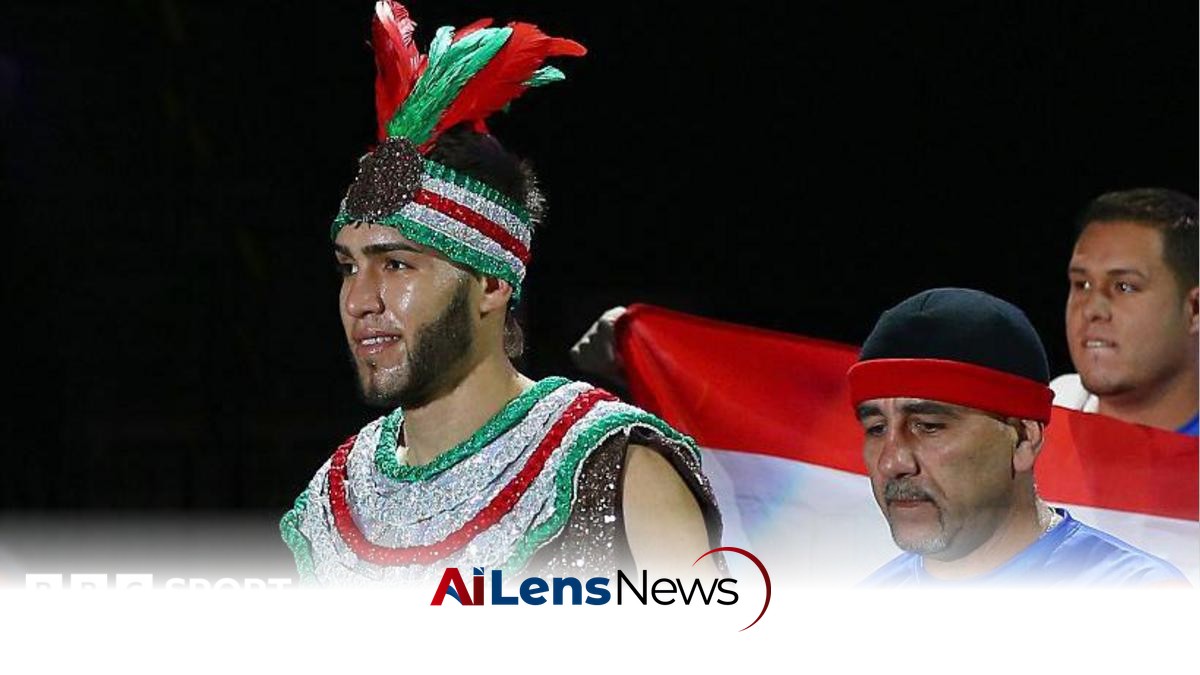



Prichard Colon, a promising boxer who suffered a severe brain injury in 2015, has died at the age of 33, confirmed by his father Richard Colon on social media.
New Delhi, India Aug 14, 2026 ALN: Prichard Colon, who suffered a severe brain injury during a 2015 fight, has died aged 33, his father Richard confirmed on social media.
Colon collapsed in his changing room after the fight with Terrell Williams, during which he complained about repeated punches to the back of his head. This tragic incident has raised significant concerns regarding the safety protocols in and the long-term health risks associated with the . The nature of the injuries suffered by Colon has sparked a broader conversation about the responsibilities of promoters, referees, and medical personnel in ensuring the safety of fighters.
Colon's injury was severe; he suffered a brain hemorrhage that necessitated an operation to reduce brain swelling. Following the operation, he was placed in a coma for an extensive period of 221 days. This prolonged state of unconsciousness left him unable to walk or talk, requiring 24-hour care for the remainder of his life. The impact of such an injury not only affects the athlete but also reverberates through their families and communities, highlighting the often-overlooked psychological and emotional toll of such tragedies.
His father, Richard Colon, took to Facebook to announce the heartbreaking news of his son's passing. "Good morning, my people. I regret to inform you of the departure of my son Prichard from this earthly world," he wrote. He went on to express his sorrow and the unfulfilled wish of taking Prichard on a vacation to Puerto Rico, a dream that remained unrealized due to the circumstances following the fight. Richard thanked supporters for their years of love and prayers, requesting continued prayers for the family during this difficult time. This personal loss underscores the human side of s, where the athletes' struggles and triumphs are often shared with their families and supporters.
Prichard Colon had an impressive record prior to the incident, remaining undefeated in 16 fights with 13 wins by knockout. His last fight against Williams took place in Fairfax, Virginia, where he demonstrated both skill and determination. However, the bout was marred by controversy, as Colon appeared to be struck in the back of the head multiple times, leading to concerns about the legality of the punches. Williams was penalized with a point deduction for these illegal blows, but the fight continued under contentious circumstances. The legality of such punches and the responsibility of referees to enforce the rules of are critical issues that have been debated extensively in the aftermath of this incident.
As the fight progressed, Colon faced further challenges; he was docked two points for a low blow and ultimately knocked down in the ninth round. In a moment of confusion, believing the fight was over, Colon's corner team removed his gloves, leading to his disqualification. This series of events sparked outrage and debate within the community regarding the adequacy of the medical oversight and the responsibilities of the officials present during the fight. The incident has prompted calls for a reevaluation of training for corner teams and officials to better prepare them for handling such situations in the future.
In the aftermath of the incident, Colon’s parents filed a lawsuit seeking more than $50 million in damages against the ringside doctor and the promoters associated with the fight. This lawsuit highlights the ongoing legal and ethical discussions surrounding athlete safety, medical responsibilities, and the accountability of promoters and officials in combat s. The legal ramifications of such cases often lead to changes in regulations and practices, as stakeholders in the seek to prevent similar tragedies from occurring. As of now, the lawsuit remains unsettled, leaving many questions unanswered about the protocols in place to protect fighters.
Born in Florida but moving to Puerto Rico at the age of 10, Colon exhibited immense talent and potential as a young boxer. He won national titles in two weight divisions and had aspirations of representing Puerto Rico in the Olympics. He participated in the Brazil pre-Olympics, aiming for a spot in the 2012 London Games but was eliminated in the quarter-finals, leading him to transition into the professional circuit with his debut in 2013. Colon’s early career was marked by promise, and he quickly gained recognition for his skills and tenacity in the ring.
Colon's journey in was marked by determination and resilience. His legacy is characterized by the lessons he imparted about perseverance and the challenges faced by athletes in high-contact s. The World Association (WBA) paid tribute to Colon, stating, "A true warrior in every sense of the word, Prichard left us with profound lessons about life, resilience, and our responsibility to protect our athletes." They extended their condolences, acknowledging his contributions to and the indelible mark he left on the . Such tributes reflect the respect and admiration Colon garnered during his career, as well as the collective grief felt by the community in light of his passing.
In recognition of his courage and the struggles he faced after his injury, Colon was named an honorary WBC world champion in 2021 by Mauricio Sulaiman, the president of the World Council. Sulaiman expressed his admiration for Colon’s spirit and the unwavering support he received from his family and friends. "Eleven years of fighting like a true champion receiving the unconditional love from your mother Nieves, your dad, and so many friends who cared for Prichard Colon you will never be forgotten," Sulaiman wrote on social media. This honor not only reflects Colon's fighting spirit but also serves as a reminder of the importance of community support in the face of adversity.
Colon's passing has reignited discussions about the inherent dangers of and the need for enhanced safety measures to protect fighters. The has a long history of serious injuries, and Colon's case underscores the importance of rigorous medical evaluations and protocols before, during, and after fights. Advocates for fighter safety are calling for stricter regulations and improved oversight to prevent future tragedies. The ongoing dialogue surrounding fighter health and safety is critical, as it highlights the need for a cultural shift within the that prioritizes the well-being of athletes over the spectacle of competition.
The community mourns the loss of Prichard Colon, a fighter whose life and career were cut short by a tragic accident. His story serves as a poignant reminder of the risks associated with combat s and the importance of prioritizing athlete health and safety above all else. As fans and fellow athletes reflect on his legacy, the hope is that his passing will lead to meaningful changes within the , ensuring that future generations of boxers are better protected from the dangers that come with their chosen profession. The impact of Colon's story will likely influence future policies and practices aimed at safeguarding the health of athletes, reinforcing the need for ongoing vigilance and commitment to improving conditions in the world.
To learn more about the latest developments in Combat Sports, stay updated with our exclusive reports and analyses on AILensNews.

