

The European Broadcasting Union has introduced guidelines aimed at ensuring respectful camera angles during live broadcasts of female s events.
New Delhi, India Jul 15, 2026 ALN: New guidelines have been released advising broadcasters on how to use more respectful camera angles when covering live female events.
The European Broadcasting Union (EBU) has worked with female athletes to develop the guidelines, which aim to avoid sexualising the action with unnecessary camera angles. This initiative comes in response to a growing awareness of the importance of respectful and equitable representation of female athletes in the media, reflecting broader societal shifts towards gender equality and respect.
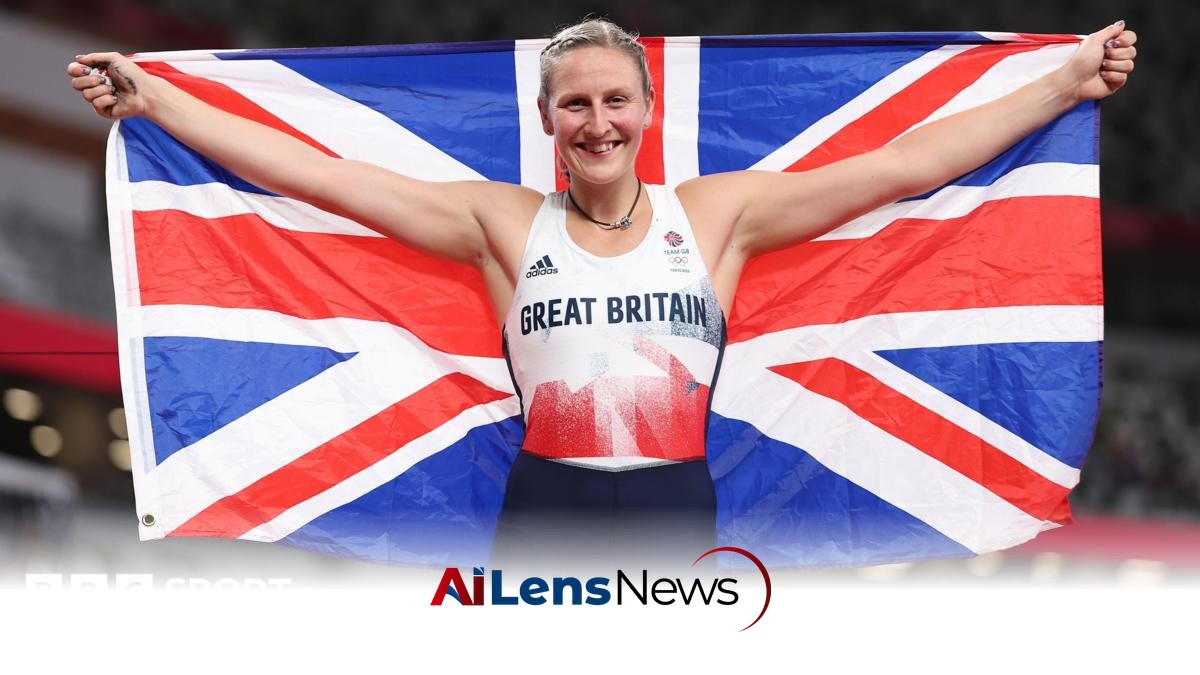
British Olympic bronze medallist Holly Bradshaw is among the athletes to advise the EBU. The pole vaulter has shared her experiences of facing abuse on social media and has noted the prevalence of inappropriate videos of herself circulating online, often attributed to revealing camera angles during live coverage of her competitions. Such experiences highlight the intersection of s, media, and gender, where the portrayal of female athletes can have significant implications for their public image and mental well-being.
"How our is displayed during live broadcast can be incredibly powerful, yet sometimes harmful to the women competing and the women [and] girls watching," she said. This statement underscores the responsibility of broadcasters not only to present the but also to consider the impact of their choices on the athletes and their audiences. The visibility of female athletes in media is crucial for inspiring young girls and promoting participation in s, yet it must be done in a way that maintains dignity and respect.
Bradshaw elaborated on the adverse effects of media portrayal, stating, "I first-hand have received social media abuse and witnessed inappropriate videos online of myself and colleagues when slow-motion content of us competing is captured." This reflects a broader trend where female athletes are often subjected to scrutiny and objectification, which can detract from their athletic achievements and contribute to a culture of misogyny in s media.
"Many athletes, myself included, have been in competitive scenarios where they are more focused on the cameras instead of their own performance," she continued. This statement reveals a troubling reality for many female athletes, who may feel pressure to perform not only in their but also in front of the camera. The focus on appearance over performance can lead to anxiety and distraction, ultimately affecting their competitive edge.
Serbian Olympic long jumper Ivana Spanovic, who also provided input to the EBU, echoed Bradshaw's concerns, stating that certain camera angles can cause discomfort during events and can have "serious long-term effects on an athlete's mental health." This acknowledgment of mental health issues in s is particularly significant, as it highlights the need for a supportive environment that prioritizes the well-being of athletes, especially women who are often marginalized in male-dominated s narratives.
Following discussions with the athletes, the EBU has produced some do's and don'ts on camera angles. These guidelines are intended to serve as a framework for broadcasters to ensure that female athletes are represented fairly and respectfully. The recommendations include avoiding low camera angles beneath athletes in events such as the high jump or pole vault, which can create compromising images that detract from the athleticism and skill of the competitors.
"The sexualisation of women athletes through selective camera angles and editing choices continues to be a significant concern across many broadcasts," said EBU executive director Glen Killane. This statement encapsulates the ongoing challenge within s media to balance engaging storytelling with respectful representation. The media's role in shaping public perception of female athletes is critical, and the adoption of these guidelines is a step towards fostering a more equitable broadcasting environment.
Killane further elaborated on the issues at hand, stating, "Lingering shots on bodies, low-angle cameras that capture revealing views, and excessive slow-motion replays that serve no technical or storytelling purpose are among the issues observed in the media coverage of women's competitions today." These practices not only undermine the integrity of the but also contribute to a culture that objectifies female athletes, potentially discouraging young women from pursuing s.
The BBC is a partner in the EBU, which provides coverage of events to 57 countries, reaching audiences of more than a billion people. This vast reach highlights the importance of the guidelines, as they have the potential to influence how female athletes are portrayed across multiple platforms and countries. The implementation of these guidelines could set a precedent for other broadcasters and s organizations, promoting a more respectful and equitable approach to s coverage.
The new guidance could be implemented at the European Championships, which begin on 10 August in Birmingham and will be broadcast by the BBC. This event represents a significant opportunity for the EBU and its partners to demonstrate their commitment to these principles in real-time, showcasing female athletes in a manner that respects their dignity and achievements.
However, the Diamond League, which is also broadcast on the BBC, does not go through the EBU, so it would not necessarily have to adhere to the guidance. This presents a potential gap in the application of the new standards, raising questions about the consistency of respectful coverage across different events and platforms. The need for comprehensive guidelines that apply universally across all s broadcasts is evident, as inconsistency could undermine the progress made by the EBU and its partners.
The implications of these guidelines extend beyond just the realm of s broadcasting. They signal a growing recognition of the need for respectful representation of women in all forms of media. As audiences become more aware of issues surrounding gender representation and objectification, there is an increasing demand for accountability from broadcasters and media organizations. The push for respectful coverage of female athletes is part of a larger movement advocating for gender equality, not only in s but across all sectors of society.
In conclusion, the EBU's new guidelines represent a significant step forward in addressing the challenges faced by female athletes in the media. By prioritizing respectful coverage, broadcasters can help foster a culture that values women’s s and encourages young girls to pursue their athletic dreams without the fear of objectification or harassment. The successful implementation of these guidelines could pave the way for a more equitable future in s media, ensuring that female athletes receive the recognition and respect they deserve for their hard work and dedication.
To learn more about the latest developments in Global Tournaments & Olympics, stay updated with our exclusive reports and analyses on AiLensNews.

