

The Sports Authority of India is set to take over the long-delayed Multi-Disciplinary Sports Complex in Dimapur, with plans for a National Centre of Excellence.
Kohima, India Jul 23, 2026 ALN: The Sports Authority of India (SAI) is poised to formalize the transfer of the long-incomplete Multi-Disciplinary Sports Complex (MDSC) in Dimapur from the state government. SAI Deputy Director General, Manjushree Dayanand, arrived in Dimapur to finalize the agreement, which is scheduled to be signed in Kohima on July 24. This transfer marks a significant step in addressing the long-standing issues surrounding the MDSC, which has been under construction for nearly two decades.
This decision was announced by Chief Minister Neiphiu Rio during the 2026 Budget session in March. The MDSC, which spans over 64 acres, has become a symbol of governmental neglect and inefficiency, having consumed an estimated Rs 140 crore without completion. The facility was initially envisioned to provide a state-of-the-art venue for various sports and to promote athletic talent in the region. However, the prolonged delay in its construction has left local athletes without adequate training facilities, hampering their development and potential.
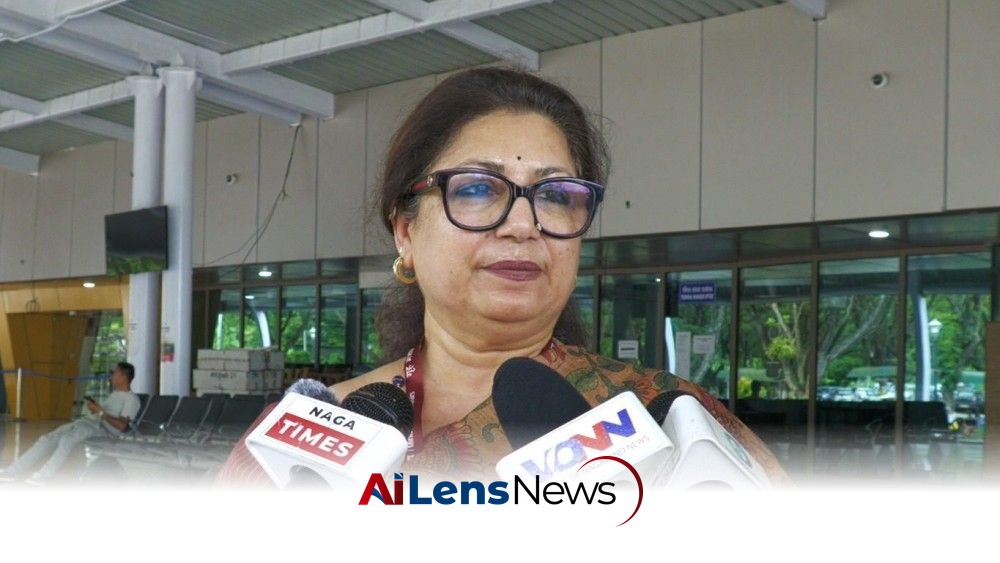
Upon her arrival at Dimapur airport, Dayanand expressed her eagerness to sign the Memorandum of Understanding (MoU) that will conclude the transfer process. She noted that the proposal originated from the Chief Minister’s Office, which offered the 64 acres of land equipped with infrastructure for three sports disciplines: football, sepak takraw, and boxing. "The Sports Authority of India is partnering with the government, and we are very happy to do it," she stated, reflecting the optimism surrounding this collaboration.
Dayanand highlighted the current SAI Training Centre in United Colony, which is in a dilapidated condition, stating, "We were not happy having our athletes stay in an environment that is not conducive and healthy for sports persons, as they are national assets." The existing training facilities have been criticized for their lack of proper amenities, which can adversely affect athletes' performance and well-being. The relocation to the new campus is planned in two phases, with the first phase involving the transfer of resident trainees in football, sepak takraw, and boxing. The second phase aims to upgrade the campus into a National Centre of Excellence, complete with residential hostels and additional sports disciplines.
The proposed Centre of Excellence is expected to play a pivotal role in nurturing sporting talent in the region. It will focus not only on training athletes but also on recruiting coaches and sports science personnel across nine fields of sports science and sports medicine. This holistic approach to athlete development is crucial, as it recognizes the importance of physical training, mental conditioning, and injury prevention in achieving peak performance. Dayanand expressed optimism about the potential for success, saying, "I don't see any reason why we can't see Olympians coming up from this state." This statement underscores the belief that with the right facilities and support, athletes from can compete at the highest levels of sport, including the Olympics.
While the technical details of the MoU remain undefined, Dayanand emphasized that the initiative is a joint venture. Both parties plan to conduct a "need analysis" to ensure that all developed infrastructure is fully utilized and maintained. "It is a joint venture... The roles and responsibilities are yet to be defined. Once they are defined, I'm sure nothing would be created that will not be used," she added. This careful planning is essential to avoid the pitfalls that have plagued the MDSC project thus far, where incomplete infrastructure has led to wasted resources and unfulfilled potential.
The historical context of the MDSC's construction highlights the challenges faced in sports infrastructure development in India, particularly in northeastern states like . Over the years, various factors such as bureaucratic delays, funding issues, and political changes have contributed to the stagnation of the project. The decision to transfer control to SAI may represent a shift towards a more organized and efficient management structure, potentially paving the way for faster completion and better utilization of the facility.
Moreover, the establishment of a National Centre of Excellence in Dimapur could have broader implications for sports in the region. It may not only enhance local athletes' training conditions but also attract talent from other parts of the country, fostering a competitive environment that can elevate the standard of sports in . Additionally, it may serve as a catalyst for economic development, as improved sports facilities can draw events, tourism, and investment into the area.
As the signing date approaches, stakeholders from various sectors, including sports enthusiasts, government officials, and potential athletes, are watching closely. The successful transfer and subsequent development of the MDSC could serve as a model for future sports infrastructure projects across India, particularly in regions that have historically faced challenges in sports development.
In conclusion, the impending transfer of the Multi-Disciplinary Sports Complex to the Sports Authority of India marks a hopeful turning point for sports development in Dimapur and the broader region. With the promise of a National Centre of Excellence, there is potential for a new era in which local athletes can aspire to reach national and international heights, contributing to the rich tapestry of Indian sports. The success of this initiative will depend on effective collaboration, clear definitions of roles, and a commitment to maintaining and utilizing the infrastructure to its fullest potential.
The journey of the MDSC is emblematic of the larger narrative surrounding sports infrastructure in India, especially in less developed regions. The challenges faced in completing the MDSC are not unique; they reflect a broader systemic issue that has plagued many sports projects across the country. Factors such as inadequate funding, lack of political will, and insufficient planning have often led to delays and failures in sports infrastructure development.
In many cases, the lack of a clear vision and strategic planning has resulted in facilities that, while initially promising, fail to meet the needs of the athletes they are meant to serve. The MDSC's long history of delays can be attributed to a combination of these factors, coupled with the complexities of managing such a large-scale project in a region with its unique socio-political dynamics.
The involvement of SAI is seen as a crucial step towards rectifying these issues. SAI has a track record of managing sports facilities and programs across India, and its expertise is expected to bring a level of professionalism and accountability that has been lacking in the MDSC project. This transition is not just about completing a building; it is about creating an ecosystem that supports the holistic development of athletes and sports culture in the region.
The establishment of a National Centre of Excellence is particularly significant. This facility is not just a training ground; it is envisioned as a hub for comprehensive athlete development. By integrating sports science, coaching, and infrastructure, the Centre aims to create a nurturing environment for athletes. This approach recognizes that success in sports is not solely dependent on physical training but also on mental resilience, nutritional support, and injury management.
Furthermore, the Centre's potential to attract talent from across India could have a transformative impact on the local sports scene. By positioning Dimapur as a center for sports excellence, it may inspire a new generation of athletes to pursue their dreams, knowing that they have access to world-class facilities and coaching. This could lead to a more vibrant sports culture in , fostering community engagement and pride.
In addition to its impact on athletes, the MDSC and the proposed Centre of Excellence could also have significant economic implications for the region. Improved sports facilities can attract national and international sporting events, which in turn can boost local tourism and create job opportunities. The influx of visitors for tournaments and training camps can stimulate local businesses, from hospitality to retail, contributing to the overall economic growth of Dimapur and its surroundings.
As the MoU is set to be signed, the anticipation surrounding the future of the MDSC is palpable. For many, this is not just about a sports complex; it represents hope for the future of sports in . The community is eager to see how this initiative unfolds and what it means for their athletes and aspiring sports professionals.
In summary, the transfer of the Multi-Disciplinary Sports Complex to the Sports Authority of India signifies a critical juncture in the development of sports infrastructure in Dimapur. With the promise of a National Centre of Excellence, there is a renewed sense of optimism for the future of sports in the region. The success of this initiative will depend on collaborative efforts, strategic planning, and a commitment to fostering a thriving sports culture that can elevate local athletes to national and international prominence.
To learn more about the latest developments in Cricket, stay updated with our exclusive reports and analyses on AiLensNews.

