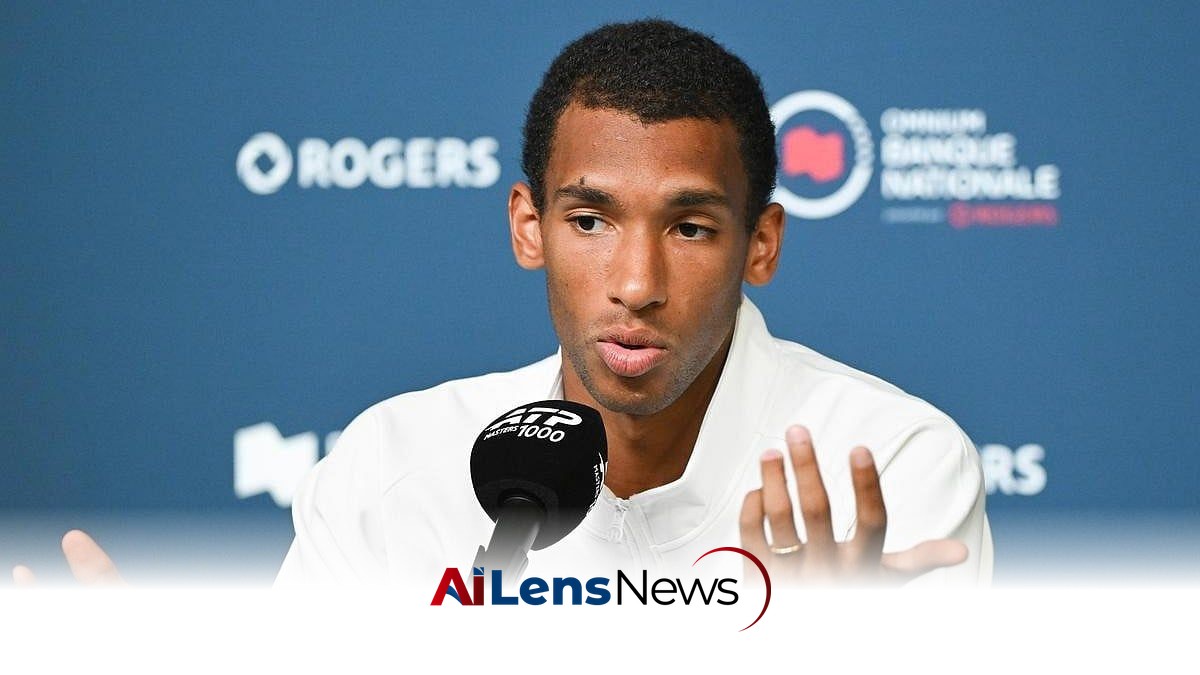


The Professional Tennis Players Association highlights injury risks linked to a packed tennis calendar following multiple withdrawals from the Canadian Open.
Shillong, India Aug 12, 2026 ALN: The Professional Tennis Players Association (PTPA) stated on Monday that a series of withdrawals from the Canadian Open has raised concerns about the lengthy calendar of professional tennis and the increased risk of injuries associated with an expanded number of top-level events.
The players’ advocacy group expressed disappointment but not surprise over the absences, arguing that the reduced recovery time between tournaments is leading to injuries occurring earlier in the season and becoming more severe. This issue has been a topic of discussion among players, coaches, and sports analysts, as the demanding schedule of professional tennis continues to evolve.
The men’s event in Montreal faced significant withdrawals, including world number one Jannik Sinner and 24-time Grand Slam champion Novak Djokovic. Additionally, Carlos Alcaraz is sidelined with a wrist injury, and hometown favorite Felix Auger-Aliassime withdrew due to a back injury before his opening match. These high-profile withdrawals not only affect the tournament's competitiveness but also raise questions about the physical toll that the sport's rigorous schedule takes on elite athletes.
On the women’s side, defending champion Victoria Mboko, Wimbledon finalist Karolina Muchova, Emma Raducanu, and Jasmine Paolini are also missing the tournament due to injuries. The absence of such prominent players diminishes the overall appeal of the event, leading to concerns among fans and sponsors alike about the health of the sport.
The first quarterfinal matches of the tournament are set to begin later on Monday, but the shadow of these withdrawals looms large over the proceedings. As fans look forward to the matches, there is a growing awareness of the challenges that players face in maintaining their physical health while competing at the highest levels.
Tournament organizers noted last month that recurring late withdrawals from Masters 1000 events have become a broader issue for the sport. This trend has sparked discussions about the need for reform in the tennis calendar, as stakeholders from various sectors of the sport weigh the implications of injuries and withdrawals on both player welfare and the integrity of the competitions.
The professional tennis calendar is packed with events, including Grand Slams, ATP and WTA tours, and various Masters tournaments. Each of these events demands a significant physical and mental commitment from players. The ATP and WTA tours are designed to provide players with ample opportunities to compete and earn ranking points, but this also means that players are often required to participate in back-to-back tournaments, which can lead to burnout and injuries.
The PTPA's concerns highlight the delicate balance that players must maintain between competition and recovery. While the desire to compete is strong, the physical demands of the sport can lead to serious injuries that may sideline players for extended periods. For instance, injuries such as stress fractures, tendonitis, and muscle tears can not only affect a player's performance but can also have long-term implications for their career.
Moreover, the financial implications of injuries are significant. Players who withdraw from tournaments often miss out on prize money and ranking points, which can impact their standing in the sport and their ability to secure sponsorships. This financial strain can exacerbate the pressure to compete, even when players are not fully fit.
In response to the increasing number of injuries, some players and coaches have called for a reassessment of the tennis calendar. Suggestions have included reducing the number of mandatory tournaments, extending recovery periods between events, and implementing measures to better protect player health. However, any changes to the calendar would require consensus among various stakeholders, including tournament organizers, governing bodies, and the players themselves.
The conversation around player welfare is not new, but it is gaining momentum as more athletes speak out about their experiences with injuries and the pressures of competition. The PTPA, formed in 2020, aims to advocate for the rights and well-being of players, and it has been vocal about the need for reforms that prioritize health over profit. The association's advocacy has gained traction as the number of high-profile injuries continues to rise, prompting a reevaluation of the current structure of the professional tennis calendar.
As the Canadian Open proceeds, the implications of these withdrawals will be closely monitored. The tournament serves as a crucial lead-up to the US Open, and the absence of top players could influence the dynamics of upcoming competitions. Fans and analysts will be watching to see how these injuries may affect player performance and the overall competitiveness of the tour.
The potential long-term effects of this situation extend beyond just the current tournament. If injuries continue to plague top players, it could lead to a shift in how tournaments are structured and scheduled. The current model, which prioritizes the number of events and the revenue they generate, may need to adapt to better accommodate the health and well-being of athletes. This could involve a more flexible tournament schedule that allows players adequate time for recovery, thereby reducing the incidence of injuries.
Furthermore, the financial implications of injuries can have a ripple effect throughout the sport. Players who are sidelined may struggle to maintain their ranking and secure sponsorships, which can impact their careers and livelihoods. This financial strain can create a cycle of pressure, where players feel compelled to compete even when they are not at their best, leading to further injuries and withdrawals.
Additionally, the impact of injuries on the sport's visibility and appeal cannot be overlooked. Fans invest emotionally and financially in their favorite players and tournaments, and when top athletes are absent, it can diminish the excitement and competitiveness of the events. This could lead to decreased attendance, lower television ratings, and reduced sponsorship opportunities, ultimately affecting the sport's growth and popularity.
In conclusion, the concerns raised by the PTPA regarding the Canadian Open withdrawals reflect a larger issue within professional tennis: the need to balance a demanding schedule with the health and well-being of players. As the sport continues to evolve, it is imperative that all stakeholders—players, coaches, tournament organizers, and governing bodies—come together to address these challenges. Ensuring that players can compete at their best while minimizing the risks associated with injuries is crucial for the future of the sport. The ongoing dialogue about player welfare and the structural integrity of the tennis calendar will likely shape the future landscape of professional tennis, impacting not only the players but also the fans and the industry as a whole.
To learn more about the latest developments in Tennis, stay updated with our exclusive reports and analyses on AiLensNews.

