

For the first time in history, the top four ranked teams—France, Argentina, Spain, and England—have reached the semifinals of the FIFA World Cup 2026.
Madrid, Spain Jul 13, 2026 ALN: The FIFA World Cup 2026 has reached a stage few editions have witnessed. France (No.1), Argentina (No.2), Spain (No.3), and England (No.4), the world’s top four ranked teams, have all advanced to the semifinals, marking only the third time that the last four consists entirely of former world champions. This unique situation has drawn significant attention from fans and analysts alike, as it highlights not only the competitive nature of international football but also the evolving dynamics of team composition and strategy on the global stage.
Ever since FIFA started its rankings in 1992, this is the first time ever when all the top 4 teams have reached the semifinals of a World Cup. The achievement underscores the dominance of these nations in the footballing world, as they have consistently performed at a high level in international competitions. The significance of this moment is amplified by the historical context, as each of these teams has not only won the World Cup in the past but has also been a formidable force in international football for decades. Their presence in the semifinals is a testament to their footballing pedigree and the depth of talent available in their respective national setups.
While each side has reached this point through different tactical approaches, the official squad data highlights equally contrasting philosophies in team building. From average age to club representation, the four semifinalists offer four distinct models of constructing a World Cup squad. This diversity in approach reflects the broader trends in football, where different styles and strategies can lead to success, emphasizing that there is no one-size-fits-all solution in the quest for glory.
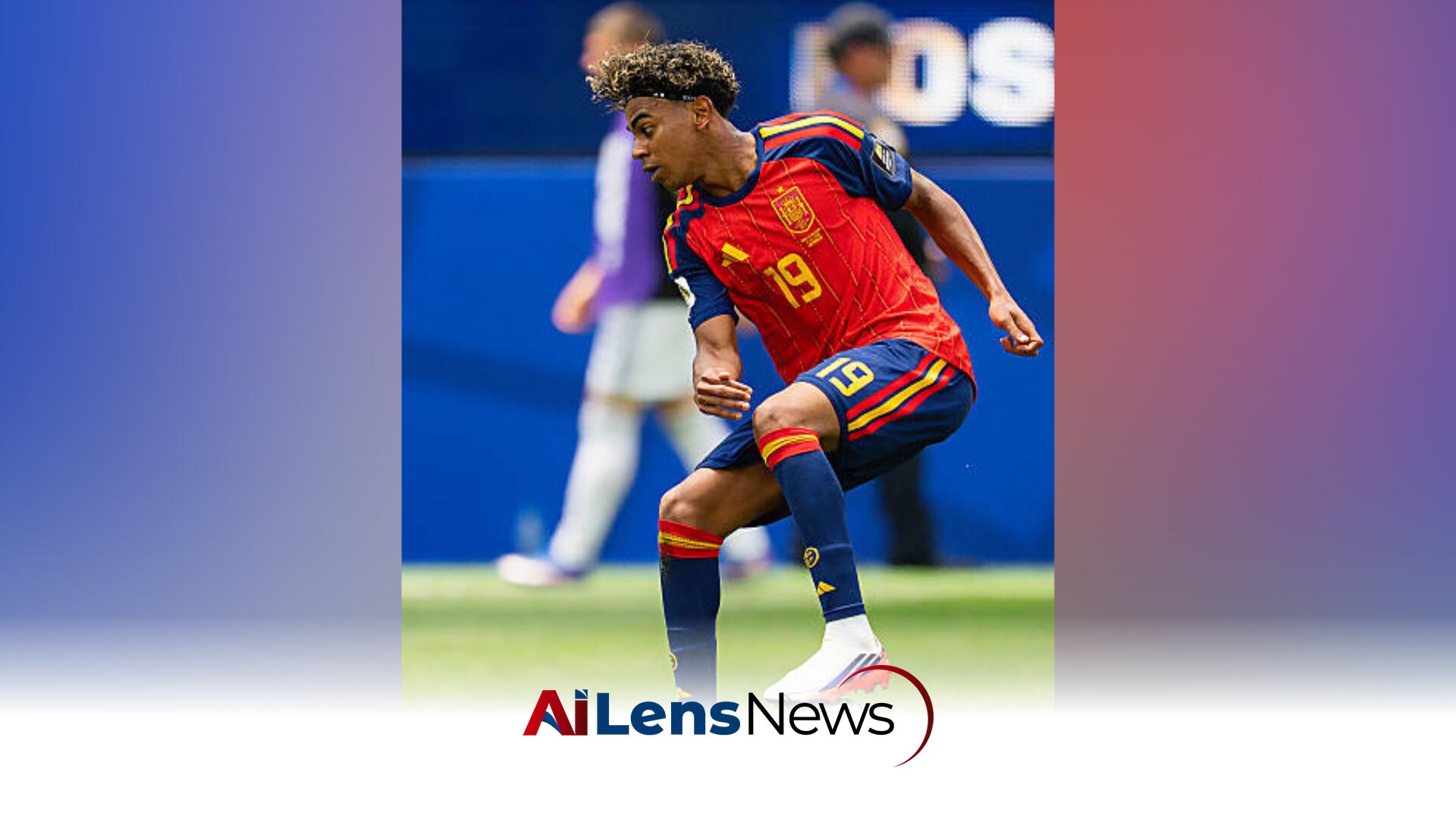
Spain arrive as the youngest team left in the tournament with an average squad age of 26 years, 1 month, and 13 days. Coach Luis de la Fuente has built around a new generation led by 18-year-old Barcelona winger Lamine Yamal, the youngest player among the semifinalists. This commitment to youth is indicative of Spain's long-term vision, as the national team looks to cultivate a new generation of talent capable of competing at the highest level. At the other end of the scale, 33-year-old Celta Vigo striker Borja Iglesias is the oldest member of the Spanish squad, showcasing a blend of youthful exuberance and seasoned experience.
Argentina are the oldest of the remaining four, with an average age of 27 years and 15 days. Lionel Scaloni has retained the experienced core that lifted the World Cup four years ago, with 39-year-old captain Lionel Messi continuing to lead the side. This reliance on experience is a strategic choice, as Argentina seeks to leverage the wisdom and composure of its veteran players in high-pressure situations. The presence of players like Messi, who has been a pivotal figure in international football for over a decade, reflects Argentina's strategy of combining skill with experience. Strasbourg defender Valentin Barco, at 21, is the youngest player in the Argentine squad, illustrating that even within an experienced lineup, there is room for emerging talent.
France and England sit almost exactly midway between the two extremes. Didier Deschamps’ squad averages 26 years, 6 months, and 15 days, blending emerging talent such as 20-year-old Paris Saint-Germain midfielder Warren Zaire-Emery with experienced figures including 35-year-old N’Golo Kante. This balance allows France to utilize the energy and creativity of youth while benefiting from the tactical awareness and leadership of seasoned players. Such a model is often seen as advantageous in tournament settings, where the ability to adapt to various game situations is crucial.
England’s average age stands at 26 years, 6 months, and 29 days. Thomas Tuchel has combined youthful midfielders Kobbie Mainoo and Nico O’Reilly, both 21, with the experience of 35-year-old Jordan Henderson. England's approach reflects a blend of innovation and tradition, as the team seeks to harness the dynamism of younger players while maintaining a solid foundation of experienced professionals who can guide them through the rigors of knockout football.
The four teams also reflect contrasting recruitment patterns based on where their players are employed. This aspect of team composition is particularly interesting, as it reveals the broader influences of domestic leagues on international performance.
England remain the most domestically based squad. Almost every player represents a Premier League club, with captain Harry Kane, who plays for Bayern Munich, standing out as one of the few exceptions. The Premier League's global reputation for competitiveness and quality has allowed England to develop a cohesive unit that is familiar with the demands of high-pressure matches. This familiarity can be a significant advantage in tournament play, as players are accustomed to facing top-tier competition week in and week out.
Spain have similarly relied heavily on La Liga-based players, with much of the squad coming through the country’s domestic football system. This reliance on homegrown talent has been a hallmark of Spanish football, particularly following their golden era in the late 2000s and early 2010s. The synergy between club and country has allowed Spain to maintain a strong identity and style of play, which is often characterized by possession-based football and technical proficiency.
France have adopted a more balanced approach. Their squad combines Ligue 1 players with footballers competing in the Premier League, La Liga, and Bundesliga, while Kante represents Turkish club Fenerbahce. This diversity in club representation enables France to draw on a wide range of experiences and playing styles, which can enhance their adaptability on the international stage. The blending of various football cultures can lead to a more versatile team capable of adjusting to different opponents and tactical scenarios.
Argentina have the most internationally dispersed squad. Most of Scaloni’s players are based outside Argentina, representing clubs across the Premier League, La Liga, Serie A, Ligue 1, Major League Soccer, and other leading European competitions. This global footprint reflects Argentina's historical reliance on exporting talent, as many of their best players have sought opportunities abroad. The diverse backgrounds of these players can provide a wealth of experience and knowledge, contributing to a well-rounded squad that is comfortable in various competitive environments.
The contrasting approaches underline that there is no single formula for success at the highest level. Some managers have prioritized continuity and experience, while others have accelerated generational change or relied on the strength of their domestic leagues. This variety in strategies not only enriches the tournament but also serves as a case study for other nations looking to build competitive teams.
The semifinals begin on July 14 when France face Spain in Dallas, before England take on Argentina in Atlanta on July 15. The matchups promise to be thrilling encounters, with each team bringing its unique strengths and narratives to the field. Whether youth or experience proves decisive will become clear over the next week as the race for the World Cup title enters its final chapter. Fans around the world will be eagerly watching, as the outcomes of these matches could shape the future of international football for years to come. As these four footballing giants clash, the implications of their strategies, squad compositions, and tactical decisions will undoubtedly be analyzed and debated long after the final whistle.
To learn more about the latest developments in Football (Soccer), stay updated with our exclusive reports and analyses on AiLensNews.

