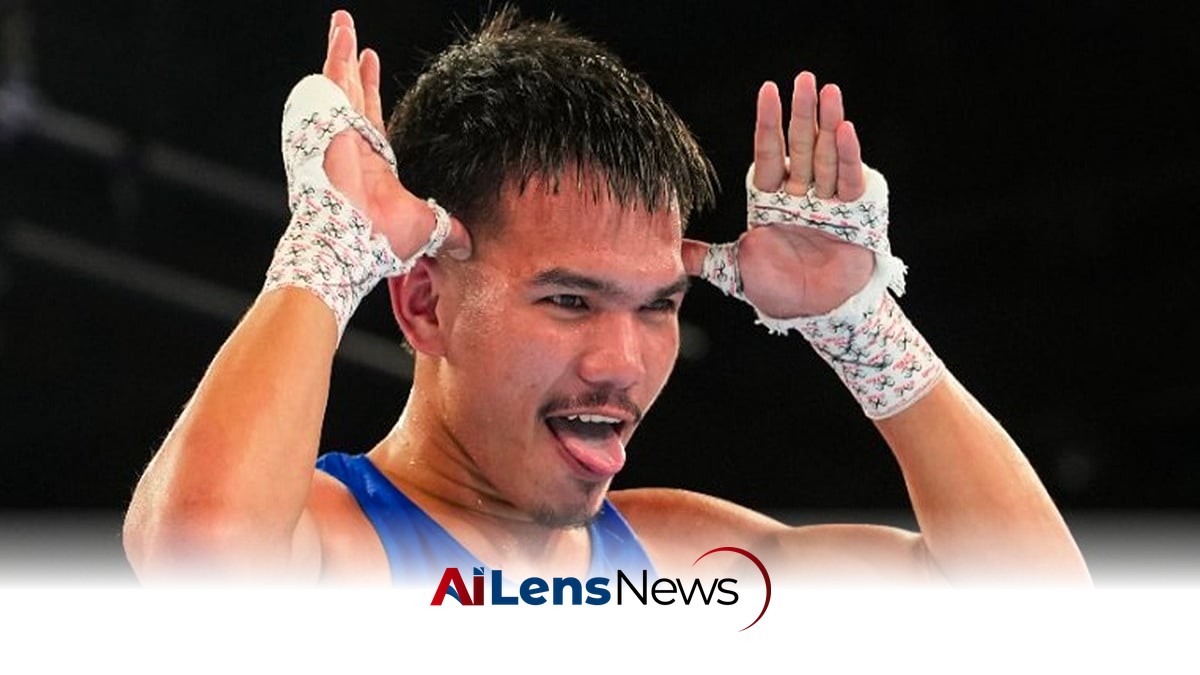


In a heated encounter at the Commonwealth Games 2026, Indian boxer Jadumani Singh secured a unanimous victory over Pakistan's Sumama Rehman, but tensions flared post-fight.
New Delhi, India Jul 27, 2026 ALN: Indian boxer Jadumani Singh made the country proud as he defeated Pakistan's Sumama Rehman 5-0 by unanimous decision in the men's 55kg boxing event at the Commonwealth Games 2026. However, it was the tense moments after the bout that stood out. The fighters did not shake hands before or after the fight due to the tensions following the success of Operation Sindoor.
After the referee announced the result, the two boxers were involved in a verbal exchange inside the ring. They also walked away without shaking hands. This incident added to the intensity of the India vs Pakistan contest, a rivalry that extends beyond sports into the realms of politics and national pride. The historical context of this rivalry is deeply rooted, with both nations sharing a complicated past characterized by conflict, competition, and cultural exchange.
The win came on Kargil Vijay Diwas, a significant day in India when the nation honors the courage and sacrifice of its soldiers who fought in the 1999 Kargil War. This war, fought between India and Pakistan in the Kargil district of Kashmir, was marked by intense combat and significant loss, making the victory for Singh against a Pakistani opponent on this day particularly poignant for Indian fans. The symbolism of this victory resonates deeply, as it represents not only sporting success but also national pride and remembrance.
Jadumani was the better boxer throughout the fight, landing clean punches and staying in control to earn a unanimous verdict from all five judges. His performance showcased his skill and determination, attributes that are essential for success in the highly competitive environment of international boxing. The unanimous decision indicates that the judges were in agreement about the dominance displayed by Singh during the match, which is a testament to his training and preparation leading up to the Commonwealth Games.
The Commonwealth Games, often referred to as the "Friendly Games," is a multi-sport event held every four years, featuring athletes from the Commonwealth of Nations. The 2026 edition in Glasgow has brought together a diverse group of competitors, providing a platform for athletes to showcase their talents and foster camaraderie among nations. However, the historical tensions between India and Pakistan often add an extra layer of intensity to their encounters in various sports, making such matches highly anticipated by fans and media alike.
With the win, the Indian boxer has qualified for the quarterfinals and is now just one victory away from winning his first-ever Commonwealth Games medal. This achievement is particularly significant for Singh, as it not only represents a personal milestone but also contributes to India's growing reputation in the sport of boxing. Over the years, Indian boxers have gained recognition on the international stage, with several athletes achieving remarkable success at various competitions, including the Olympics and World Championships.
The implications of Singh's victory extend beyond the immediate context of the match. It serves as an inspiration for young athletes in India, particularly in the sport of boxing, which has seen a surge in popularity and participation in recent years. Programs aimed at developing boxing talent at the grassroots level have been implemented, leading to a new generation of skilled boxers who are eager to compete on the world stage.
Furthermore, Singh's success can be seen as part of a larger narrative regarding the role of sports in diplomacy and international relations. While sports can sometimes exacerbate tensions, they also have the potential to bridge divides and foster understanding between nations. The contrasting reactions to Singh's victory highlight the complexities of sporting rivalries, where triumphs can evoke both pride and resentment.
As Jadumani Singh prepares for his next match, the anticipation surrounding his performance continues to build. Fans and analysts alike will be watching closely to see if he can maintain his momentum and secure a place on the podium. The pressure of expectations can be immense for athletes, particularly in high-stakes competitions such as the Commonwealth Games, where the hopes of an entire nation rest upon their shoulders.
The broader context of Singh's win also invites discussion about the importance of mental fortitude in sports. The ability to remain focused and composed under pressure is crucial, particularly in a sport like boxing where the physical and psychological demands are high. Singh's ability to channel the emotions associated with the historical significance of his match into a strong performance is commendable and speaks to his character as an athlete.
In conclusion, Jadumani Singh's victory over Sumama Rehman in the Commonwealth Games 2026 is a significant achievement that resonates on multiple levels. It symbolizes national pride, showcases the growing prowess of Indian boxing, and highlights the complexities of sports rivalries. As Singh continues his journey in the tournament, his performance will undoubtedly be a source of inspiration for many, while also reminding us of the intricate interplay between sports, history, and national identity.
The rivalry between India and Pakistan in sports is not a new phenomenon. It has been shaped by decades of political tensions, historical grievances, and cultural exchanges. Sporting events between the two nations often carry an emotional weight that transcends the competition itself. This is particularly evident in cricket, hockey, and boxing, where each match is not just a contest of skill but also a reflection of national pride and identity.
In the realm of boxing, India has produced several outstanding athletes who have made their mark on the international stage. The country has seen a rise in boxing academies and training facilities, which have contributed to the development of young talent. Figures such as Mary Kom and Vijender Singh have paved the way for a new generation of boxers, inspiring many to take up the sport and strive for excellence. Singh's victory is a continuation of this legacy and a testament to the hard work and dedication of Indian boxers.
The Commonwealth Games themselves have evolved over time, serving as a platform for athletes to not only compete but also to foster goodwill among nations. The games promote the idea of friendly competition and mutual respect, yet the underlying rivalries can sometimes complicate this narrative. Singh's match against Rehman serves as a reminder that while sports can unite, they can also reflect the divisions that exist in the geopolitical landscape.
As Singh advances in the tournament, he carries the weight of expectations not only from his fans but also from the broader context of Indian boxing's aspirations on the global stage. The sport has garnered significant attention and investment in recent years, leading to improved training facilities, coaching, and support for athletes. This has resulted in a more competitive environment, allowing Indian boxers to showcase their talents and compete effectively against the best in the world.
Moreover, Singh's performance may influence future policies regarding sports development in India. The success of athletes like him can encourage government and private sector investments in sports infrastructure, training programs, and athlete welfare initiatives. This could lead to a more robust sporting ecosystem that nurtures talent and encourages young athletes to pursue their dreams.
In the aftermath of Singh's victory, discussions around sportsmanship and the importance of respect in competition have resurfaced. The decision of both boxers not to shake hands highlights the need for dialogue and understanding, even amidst fierce rivalries. While emotions run high during competitions, fostering a spirit of respect and camaraderie can help bridge divides and promote a more positive sporting culture.
As Jadumani Singh prepares for his next match, the boxing community and fans alike will be eager to see how he navigates the pressures of competition and the expectations that come with being a representative of his nation. His journey through the Commonwealth Games will not only define his career but also serve as a reflection of the evolving landscape of boxing in India and the role of sports in shaping national identity.
In summary, Singh's victory over Rehman is a pivotal moment in his career and a significant event in the larger narrative of sports diplomacy, national pride, and the ongoing rivalry between India and Pakistan. As the tournament progresses, the implications of his performance will be felt far beyond the boxing ring, influencing young athletes, sports policies, and the ongoing dialogue about the role of sports in society.
To learn more about the latest developments in Golf, stay updated with our exclusive reports and analyses on AiLensNews.

