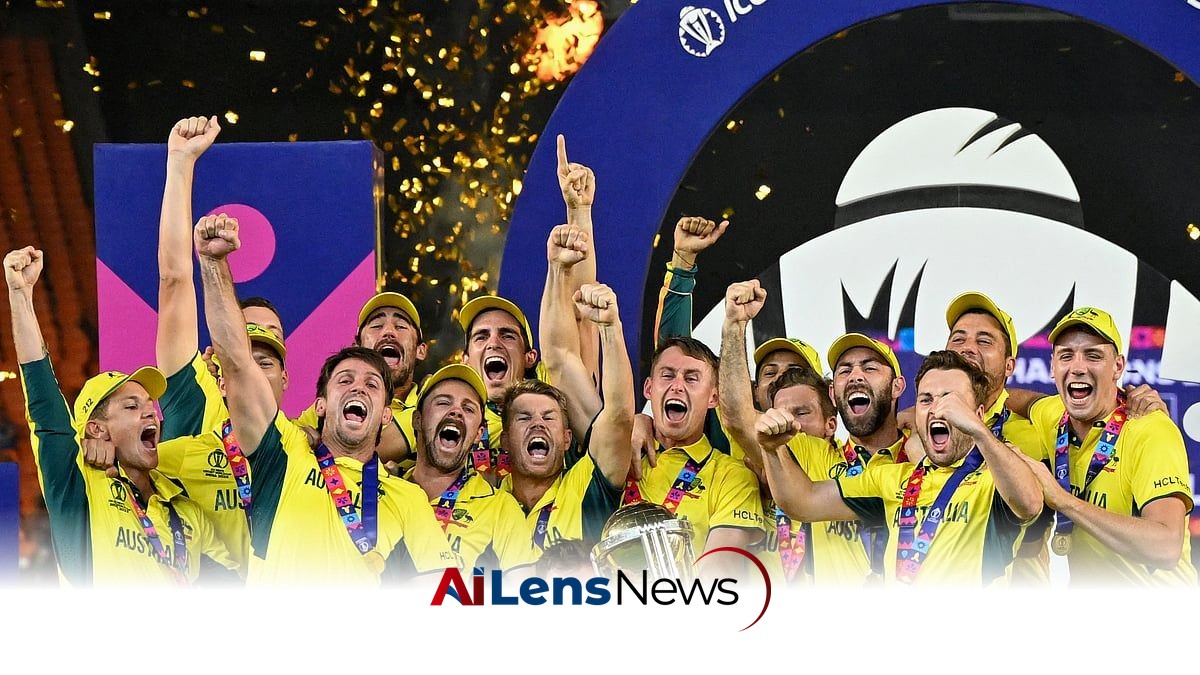


The ICC's overhaul of the 2027 Men's ODI World Cup format raises concerns for associate nations, limiting their competitive opportunities.
New Delhi, India Jul 15, 2026 ALN: With just 15 months to go for the 2027 Men's ODI World Cup to be played across South Africa, Zimbabwe, and Namibia in October next year, the International Cricket Council (ICC) has made a major overhaul to the tournament format after the annual meeting in Edinburgh last week. This change comes at a pivotal time as cricket continues to evolve, and the ICC seeks to balance the interests of its full members with those of associate nations.
Originally a 14-team tournament with two seven-team groups followed by Super Six stages — a major expansion after two ten-team events in 2019 and 2023 — the ICC has now introduced a Super Series and Super 7 stages before the semifinals. According to the new format, the last three ranked qualifying teams (12, 13, 14) will now play a round-robin stage called Super Series, from which only one team will enter the two six-team groups. The top three from each group and the next best team will move to another round-robin stage among seven teams before the top four enter the semifinals. This restructuring aims to create more competitive matches among the higher-ranked teams while also streamlining the tournament's progression.
The ICC has also tweaked the 2028 men's T20 World Cup format. The number of teams in the second round, Super 10s, will increase while the overall participation stays at 20. An eliminator is introduced between the second and third teams from Super 10s to qualify for the semifinals. These changes suggest a trend towards increasing the intensity and stakes of matches, particularly in the T20 format, which has gained immense popularity globally.
Blow to Associate Nations
The ICC's announcement regarding the changes has been met with mixed reactions, particularly from associate nations. "The increased consequence and enhanced competitive intensity promises to enhance the overall experience of fans," an ICC press release stated regarding the changes approved by the Board based on recommendations from the Chief Executives’ Committee, which comprises Chief Executives and representatives from full and associate members. However, this optimism may not be shared by all stakeholders.
Sources from multiple cricketing boards who attended the ICC's annual meeting have confirmed that they were not aware of such developments happening at the conference or were kept in the loop regarding the changes made to the format. One source questioned the change of format, which will affect the associate nations' playing opportunities on the field. Another source felt that the ICC could have involved the member nations in discussions about the changes, especially when it would affect the associate nations. This sentiment reflects a growing concern among smaller cricketing nations about their representation and opportunities within the global structure of the sport.
There is no doubt that the ICC relies heavily on media rights revenue, and the gap between top teams and associate nations in the 50-over format is larger than it is in T20Is. However, the new format means that the three teams (predominantly associate nations) that go through the existing qualifying pathway (2023-27) will only get to play among themselves at the Super Series instead of against bigger teams whom they usually don't face. This inherently means the number of matches the qualifying associates get to play will take a significant hit, while the tournament is likely to see more matches featuring full members like India, Pakistan, Australia, England, South Africa, New Zealand, etc. It also raises the possibility of the biggest money-making clash — India versus Pakistan — happening at least twice in the tournament, which could further skew the financial benefits towards full member nations.
What Happens to Base Participation Fee?
The decision comes at a time when the ICC has projected a close to 30 percent cut in revenue during the next media rights cycle (in 2028). As reported previously, the ICC had already warned member nations to expect a revenue cut, which will likely affect the boards lower in the hierarchy, especially associate nations. One reason for the expected reduction in media rights is the merger between Disney Star and Jio, which could result in less competition among bidders. Interestingly, representatives of the broadcasters were also present in Edinburgh during the annual meeting, but it is unclear whether there was an official meeting with them.
The bigger question remains whether all 14 teams will receive the same base payment. Usually, in any ICC event, all participating teams receive a base financial reward for qualifying, apart from additional prize money for every win and advancement to further stages. The base payment in the 2024 T20 WC was USD $225,000, and in the 2023 ODI WC, it was USD $100,000. Now, two of the 12th, 13th, and 14th teams are set to exit the tournament after just two matches, despite working their way through multiple qualification events over three years. Will they receive the same as the other 12 teams who play the group stage? This question remains unanswered at this point, and it raises concerns about fairness and equity in the distribution of funds and opportunities within the tournament.
Other Key Decisions
Apart from the change in format for the men's World Cups, the ICC has also established a Governance Review Committee and a Franchise Leagues Committee at the annual meeting. The Governance Review Committee will comprise BCCI Secretary Devajit Saikia (BCCI - Chair), Dr. Mohammed Moosajee (Cricket South Africa), and Dr. Ros Rivaz (ICC Independent Director). The Franchise Leagues Committee will feature Tamim Iqbal (Bangladesh Cricket Board - Chair), Dr. Rudie van Vuuren (Cricket Namibia), Devajit Saikia (BCCI), Richard Gould (England and Wales Cricket Board), and Todd Greenberg (Cricket Australia). These committees are expected to address governance issues and the growing influence of franchise leagues in the cricketing landscape, reflecting the need for the ICC to adapt to changing dynamics.
While Mauritius has been admitted as ICC's 111th member, they are looking into membership matters relating to Cricket Canada, Sri Lanka Cricket, Bangladesh Cricket Board, and France Cricket. The board has approved reinstatement conditions for Cricket Canada while reiterating the need for elections to be held as soon as possible in SLC. The ICC also agreed to place France Cricket on notice for breaches of the membership criteria. Additionally, the Board approved a USD 12.82 million loan to Cricket West Indies to support the Member Board, highlighting the financial challenges faced by some cricketing nations.
In conclusion, the ICC's decision to alter the ODI World Cup format has significant implications for both full and associate member nations. While the intention may be to enhance the viewing experience and increase competitiveness, the potential drawbacks for associate nations cannot be overlooked. As cricket continues to grow globally, it is imperative for governing bodies to ensure that all nations, regardless of their status, have a fair chance to compete and develop in the sport.
To learn more about the latest developments in Cricket, stay updated with our exclusive reports and analyses on AiLensNews.

