

More
Checking your session
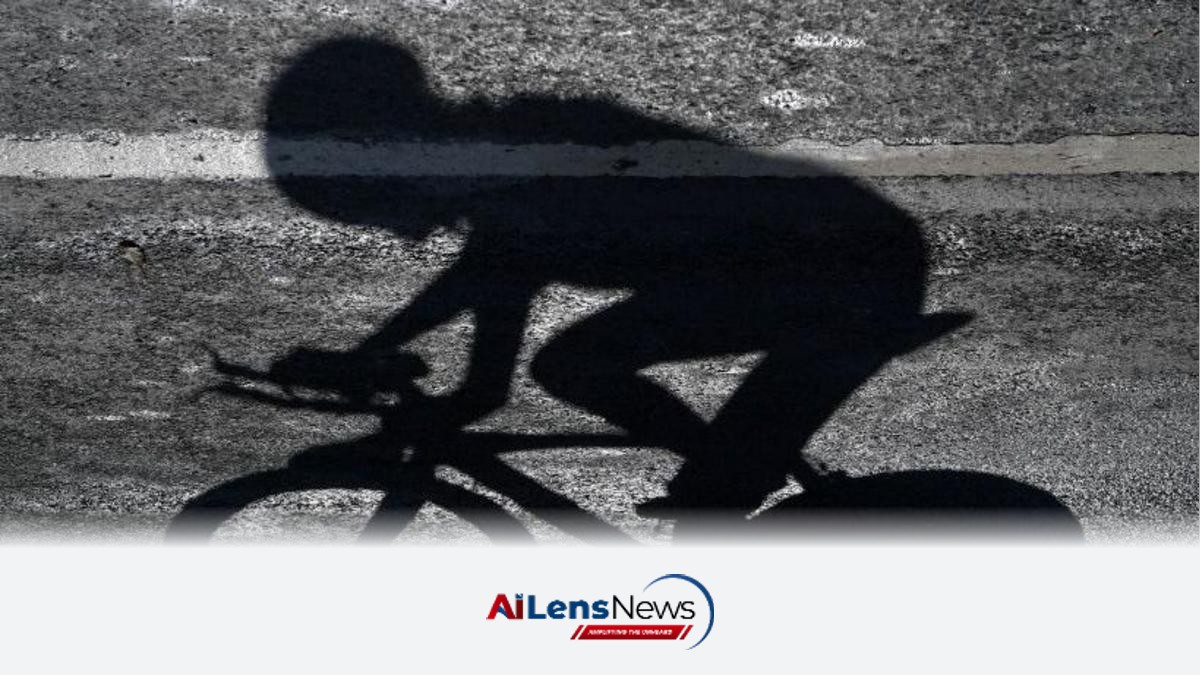



The Hess women's team, once backed by a wealthy benefactor, faced financial collapse despite ambitious goals, leaving riders and staff unpaid.
New Delhi, India Aug 9, 2026 ALN: Team cars shuttle from side to side on damp roads through picturesque Yorkshire villages as the race convoy tries to keep up with a marauding peloton.
Under-pressure directors at the 2025 Tour of Britain Women are shouting tactics over the radio with one hand while steering their vehicles with the other.
Then, a concertina, in which Hess's team car slams on the brakes and hits the back of another team's vehicle, making that uneasy sound of one car colliding with another.
It was a fitting metaphor for a team that shot forward too quickly and paid the price.
Within two months of that incident, the Hess team, which had aimed so high when launching two years earlier, had collapsed.
"We got promised the world - a big elaborate dream," says a former Hess rider, who does not want to be identified through fear of being judged as a troublemaker in the peloton.
"It seems like it was created for one person, not for the benefit of riders. You've got to wonder why someone puts their name on the jersey."
Gone were the aims to have one of the biggest budgets on the ever-growing UCI Women's World Tour, putting Britain back on the map with a world-beating team.
Replaced by riders and team members who felt let down and remain - one year after the team's demise - out of pocket. Quite a lot out of pocket.
One team supplier we spoke to is owed more than £50,000 - confirmed in documents seen by the BBC.
With one year to go until the Tour de France and Tour de France Femmes roll into the UK to inspire another generation of cyclists, the BBC asks: Why is it so hard to run a team?
The Hess team's demise centres around the loss of their title sponsor after they pulled out in response to media coverage of a civil claim against "one of the team's directors" over a separate business venture.
But were the team's hands tied from the very beginning by a financial model very different from those in s such as football and Formula 1?
Back in October 2023, in a Manchester coffee house, Swiss team co-owner Rolf Hess passionately laid out plans for a British team to win the biggest races in women's , including the Tour de France Femmes.
There would be good money, and a fresh, athlete-led approach to finding sponsors and generating "riders as brands" to amplify both rider and team - all led by bosses with an eye for detail and heart in the project.
British talent would be invested in, races would be won, and a new world order - in a currently dominated by Dutch teams and riders - would be achieved.
Team Sky made it look easy a decade prior in men's . How hard could it be?
"Our first-year budget is 750,000 euros, with no sponsor at all," said Hess at the time.
"This is entrepreneurship - we do it ourselves. We didn't buy a team - we are building a team."
He added, "We feel we need to take care of our riders and invite them to take up studies while they race and create their own personalised consumer product."
With the first instalment of 750,000 euros already pledged, the team's budget was intended to be five times that when they made the World Tour by 2025.
"We were lucky if we even saw half a million [as a team], I'd say," says the former rider.
"There was even no money at team camps and other stuff they didn't pay for. There were big bills.
"I know there were other riders still owed money - a lot of it."
It all began with some modest results, but a 15th place at the 2025 Women's Tour of Britain was about as good as it got in the bigger races, and the team never made it above 'continental' level, which is the third tier of women's road .
The challenges faced by the Hess team are not unique; they reflect broader issues within women's professional , where financial instability is a common theme. Many teams struggle to secure adequate sponsorship and funding, which is crucial for their survival and growth. The disparity in financial backing compared to men's teams is stark, with women's often relegated to a secondary status in the eyes of potential sponsors.
In recent years, there has been a growing awareness of the need for greater investment in women's s, particularly , which has seen a surge in popularity and participation. However, the infrastructure and support systems necessary to sustain a professional women's team remain underdeveloped. This lack of support can lead to a cycle of instability, where teams like Hess find themselves unable to fulfill their promises to riders and staff.
Moreover, the reliance on a single title sponsor can be a double-edged sword. While it can provide a significant influx of cash, it also creates a precarious situation where the team's future hinges on the continued support of that sponsor. In the case of Hess, the withdrawal of their title sponsor not only crippled their finances but also raised questions about the governance and management of the team, further complicating their situation.
As the world looks forward to the upcoming Tour de France Femmes, which aims to showcase the talent and potential of female cyclists, the story of the Hess team serves as a cautionary tale. It highlights the necessity for sustainable business models, diversified funding sources, and the importance of fostering a supportive environment for female athletes.
The implications of the Hess team's rise and fall extend beyond just the immediate financial losses experienced by riders and staff; they also resonate within the broader context of women's s. The struggle for recognition and equality in funding, media coverage, and sponsorship opportunities continues to be a pressing issue. As female athletes strive for parity with their male counterparts, the experiences of teams like Hess can inform future efforts to create a more equitable landscape in professional .
In conclusion, the Hess team's journey underscores the complexities and challenges inherent in establishing a successful women's team. It serves as a reminder of the need for comprehensive support structures, innovative funding strategies, and a commitment to fostering the growth of women's s. As the community reflects on this cautionary tale, it is hoped that lessons learned will pave the way for a more sustainable and vibrant future for women's .
To learn more about the latest developments in Cycling, stay updated with our exclusive reports and analyses on AILensNews.

Britain's Matthew Brennan clinches his second stage win at the Vuelta a España, …

Tadej Pogacar secures a commanding victory in the fourth stage of the Vuelta a E…
Demi Vollering clinches her second Tour de France Femmes title by winning the fi…
The third stage of the Vuelta a España was called off after a severe hailstorm h…

Jonathan Vaughters emphasizes the safety risks in smaller races following the tr…