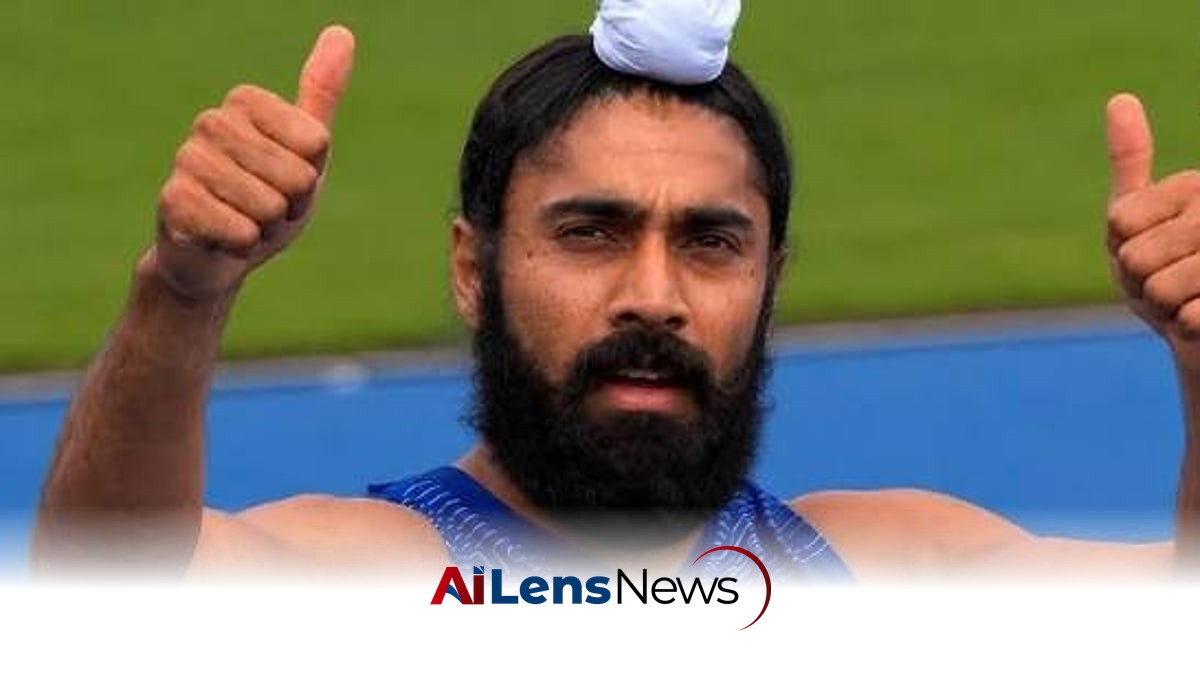


India's Gurindervir Singh fails to qualify for the semifinals in the men's 100m event, finishing 28th overall with a time of 10.39 seconds.
New Delhi, India Jul 27, 2026 ALN: India's fastest man Gurindervir Singh failed to live up to expectations at the Commonwealth Games, crashing out of the men's 100m event after his underwhelming timing of 10.39 seconds left him 28th overall in the heats.
Coming into Glasgow with ambitions of becoming the first Indian to break the 10-second barrier, the 25-year-old's effort was far from his best. The Commonwealth Games, held every four years, is a significant multi-sport event featuring athletes from the Commonwealth of Nations. It serves as a platform for athletes to showcase their talents on an international stage, and for many, it is a stepping stone to larger competitions, including the Olympics.
Gurindervir Singh, hailing from Punjab, has been a rising star in Indian athletics, particularly in sprinting. His aspirations to break the 10-second barrier in the 100m event have been a focal point of his career, especially after setting a national record of 10.09 seconds at the Federation Cup in Ranchi earlier this year. This achievement made him the first Indian sprinter to officially run under the 10.10-second mark, a feat that not only elevated his status within the sport but also raised hopes for Indian athletics on a global scale.
In Glasgow, Gurindervir ran in Heat 4 from lane five, where he made a decent start and initially kept pace with Jamaica's Rohan Watson. However, as the race progressed into the final 30-35 meters, he began to fade, ultimately finishing second in his heat. Watson powered away to win the heat in 10.13 seconds, which was a commendable performance that allowed him to advance to the semifinals. Watson's performance placed him overall ninth among the competitors who qualified for the next round.
Seventeen athletes advanced from the opening round, with seven athletes already having received byes into the semifinals, demonstrating the competitive nature of the event. The 100m sprint is known for its intense competition, and the Commonwealth Games are no exception. Athletes from various countries bring their best performances, making qualification for the next rounds a challenging task.
The race was run with a legal tailwind of 1.5 m/s, which is considered favorable for sprinters aiming to achieve faster times. However, Gurindervir could not capitalize on these conditions to improve his performance. His time of 10.39 seconds was significantly off his personal best and national record, indicating a disappointing outing for the athlete.
The Ghanaian duo of Benjamin Azamati and Abdul-Rasheed Saminu took the top two qualifying spots with impressive times of 10.00 seconds and 10.01 seconds, respectively. Their performances reflect the growing strength of sprinting in Ghana, a nation that has produced several notable sprinters in recent years. The emergence of these athletes highlights the increasing competitiveness in the 100m event, particularly among African nations, which have a rich history in sprinting.
The implications of Gurindervir's performance at the Commonwealth Games extend beyond just this single race. While he had hoped to make a significant impact, the reality of his performance raises questions about the support and training infrastructure available to sprinters in India. As the country continues to invest in sports and athletic development, the focus on sprinting has become increasingly important, especially with the upcoming Olympic Games on the horizon.
In recent years, the Indian government and various sports federations have implemented programs aimed at nurturing talent in athletics, providing athletes with better training facilities, coaching, and exposure to international competitions. However, the results have been mixed, and performances like Gurindervir's at the Commonwealth Games underscore the challenges that still exist for Indian athletes striving for excellence on the world stage.
Moreover, Gurindervir's experience at the Commonwealth Games serves as a reminder of the pressure athletes face when competing at high-stakes events. The expectations placed on them can sometimes lead to performance anxiety, which may impact their results. As athletes prepare for competitions, mental resilience becomes as crucial as physical training, highlighting the need for comprehensive support systems that address both aspects of an athlete's preparation.
Looking forward, Gurindervir Singh will likely reflect on this experience as he prepares for future competitions. The journey of an athlete is often marked by ups and downs, and setbacks can serve as valuable learning opportunities. As he continues to train and compete, the hope remains that he can build on his previous successes and strive to achieve his goals, including breaking the elusive 10-second barrier in the 100m event.
In conclusion, while Gurindervir Singh's performance at the Commonwealth Games may not have met expectations, it is essential to recognize the broader context of his journey as an athlete. The challenges of competitive sports are multifaceted, and the growth of athletics in India will depend on continued investment, support, and the resilience of athletes like Gurindervir, who aspire to leave their mark on the global stage.
The Commonwealth Games, first held in 1930, have evolved into one of the largest sporting events in the world, featuring thousands of athletes from over 70 nations. The event promotes not only athletic competition but also camaraderie and cultural exchange among the participating countries. In this context, Gurindervir's participation is significant not just for his personal goals but also for representing India on this prestigious platform.
As Indian athletics continues to develop, the government and sports bodies are encouraged to analyze performances critically, addressing the gaps in training methodologies, athlete mental health support, and overall sports science integration. The success of athletes like Gurindervir can inspire future generations, and fostering an environment that encourages young talent to thrive is crucial for the long-term growth of Indian athletics.
In the face of challenges, Gurindervir's story is one of perseverance. His journey from a promising talent to competing on an international stage represents the potential that exists within Indian sports. The hope is that with time, resources, and the right support, Indian athletes can achieve their dreams and bring home medals from global competitions, including the Olympics.
In summary, Gurindervir Singh's performance at the Commonwealth Games is a moment in a larger narrative of his athletic career. While the disappointment of not qualifying for the next round is palpable, it also serves as a catalyst for introspection and growth. As he continues to chase his dreams, the collective support from fans, coaches, and sports authorities will play a pivotal role in shaping his future endeavors in athletics.
To learn more about the latest developments in Athletics, stay updated with our exclusive reports and analyses on AiLensNews.

