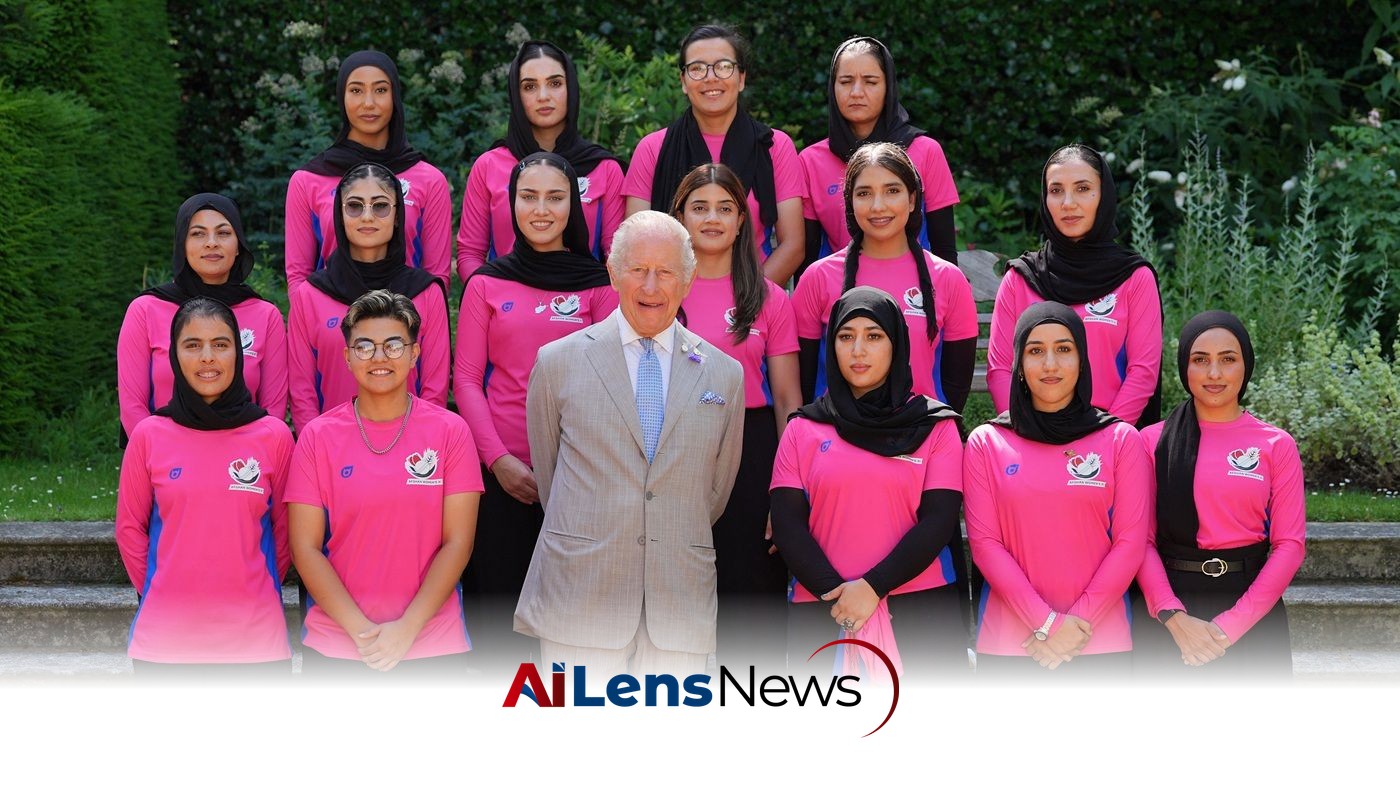


The ICC has established a Special Taskforce to develop a roadmap for the Afghan women's refugee team, aiming for international play by 2030.
New Delhi, India Jul 13, 2026 ALN: The International Council (ICC) has recently made a pivotal decision in the realm of sports by reconstituting a Special Taskforce aimed at supporting Afghan women athletes. This initiative was unveiled during the ICC's Annual Conference held in Edinburgh, where discussions centered on creating a comprehensive roadmap for the establishment of an Afghan women's refugee team. The formation of this taskforce marks a significant commitment to inclusivity and the empowerment of women in sports, particularly in regions that have been affected by conflict and social upheaval.
This initiative comes in the wake of the Taliban's return to power in Afghanistan in 2021, a development that has had dire consequences for women across various sectors, including sports. The Taliban's regime has imposed severe restrictions on women's rights, effectively erasing many of the gains made over the past two decades. Female athletes have faced immense challenges, including threats to their safety, loss of training facilities, and the prohibition of participation in sports altogether. The ICC's decision to support a refugee team is not just about sports; it signifies a broader effort to restore opportunities for Afghan women to engage in sports and reclaim their agency.
Since the Taliban's resurgence, the situation for Afghan women, particularly athletes, has become increasingly precarious. Many female sports figures have had to flee the country, seeking refuge in nations that offer them safety and the chance to continue their sporting pursuits. The ICC's initiative to create a women's refugee team is a crucial step towards providing these women with a platform to showcase their talents and resilience on an international stage. This effort aligns with global movements advocating for gender equality and the empowerment of women through sports.
In recent years, Afghanistan has produced notable female athletes who have excelled in various sports, from to taekwondo. These athletes have not only represented their country on international platforms but have also served as role models for young girls aspiring to break into the world of sports. However, with the Taliban's return to power, many of these athletes have found themselves in dire circumstances, forced to abandon their dreams and seek refuge elsewhere. The establishment of a women's team for Afghan refugees is not merely about sports; it also serves as a powerful statement against the oppression faced by women in Afghanistan. By facilitating the formation of this team, the ICC is shining a light on the plight of Afghan women and encouraging international support for their cause. This initiative also has the potential to inspire other sports organizations to take similar actions in support of women athletes in conflict-affected regions.
The initiative has garnered significant attention and support from various nations and organizations around the world. Many see this as an opportunity to advocate for women's rights and to raise awareness about the challenges faced by women in Afghanistan. The support from the global community is essential in ensuring the success of this initiative, as it not only provides the necessary resources but also fosters a sense of solidarity with Afghan women.
International sporting bodies, NGOs, and women's rights organizations are increasingly rallying around the cause, recognizing that the empowerment of women in sports can serve as a catalyst for broader social change. By promoting the Afghan women's refugee team, these organizations are not only advocating for athletic opportunities but are also addressing the systemic issues that have historically marginalized women in Afghanistan. The convergence of sports and advocacy can create a powerful platform for change, highlighting the interconnectedness of women's rights and athletic participation.
With a clear roadmap in place, the taskforce is poised to begin its work immediately. The timeline set for having the team ready for international competitions by 2030 provides a structured goal for the players and their supporters. This timeline is not just about preparing for matches; it symbolizes hope for a brighter future in women's sports and a potential shift in the narrative surrounding Afghan women.
As the world watches, the Afghan women's refugee team stands as a beacon of resilience and determination. Their journey is expected to inspire future generations of female athletes, not only in Afghanistan but globally. The team's formation and eventual participation in international matches could serve as a powerful reminder of the importance of sports as a unifying force, capable of transcending cultural and political barriers.
Moreover, the implications of this initiative extend beyond sports. The visibility and success of the Afghan women's team could contribute to a broader discourse on women's rights in Afghanistan and the importance of supporting female athletes worldwide. As they break barriers and challenge societal norms, these women will undoubtedly inspire others to pursue their dreams in the face of adversity. The potential for these athletes to become ambassadors for change is significant, as their stories resonate with those who advocate for equality and justice.
In conclusion, the ICC's establishment of a Special Taskforce for the Afghan women's refugee team is a significant step towards promoting inclusivity and empowering women in sports. As the taskforce begins its work, the hope is that the Afghan women's team will not only compete in international tournaments by 2030 but will also serve as a symbol of resilience, courage, and the enduring spirit of women striving for equality and recognition in all walks of life. The journey ahead may be fraught with challenges, but the collective effort of the international community, sports organizations, and advocates for women's rights can help ensure that these athletes are given the opportunity to shine.
To learn more about the latest developments in Cricket, stay updated with our exclusive reports and analyses on AiLensNews.

