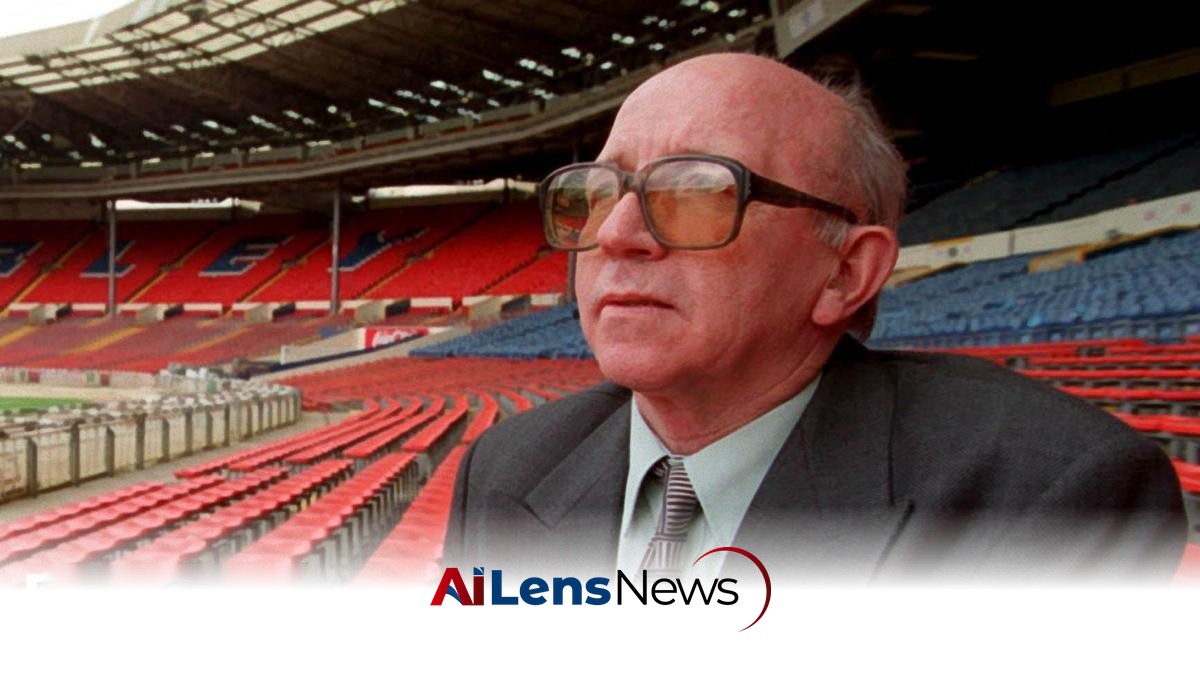


An inquest into Nobby Stiles' death will be held after a coroner finds injury consistent with repeated head traumas.
New Delhi, India Jul 10, 2026 ALN: England World Cup winner Nobby Stiles died with a traumatic brain injury, a court heard as a coroner ruled an inquest into his death must be held.
Stiles, 78, a former Manchester United player and 1966 World Cup winner, died with chronic traumatic encephalopathy (CTE), which has been associated with head traumas claimed to be from repeatedly heading a . CTE is a progressive neurodegenerative disease that has garnered increasing attention in recent years, particularly in contact s, where athletes are at risk of repeated head injuries.
Chris Morris, area coroner for Greater Manchester South, told a court a full inquest was needed after a brain expert examined Stiles's medical records. The necessity of an inquest highlights the growing concern regarding the health implications of s-related head injuries, especially among former professional athletes.
Stiles died in 2020, and his family has campaigned for authorities to do more to help ex-players cope with injuries they claim were caused during their playing days. The legacy of Stiles's career is overshadowed by the health issues that many former ers face, raising questions about the responsibilities of ing authorities to protect players from long-term harm.
Norbert "Nobby" Stiles, born in Manchester in 1942, was a tough-tackling defensive midfielder, capped 28 times by England and played nearly 400 times for Manchester United. He was an integral part of the England team that won the World Cup in 1966, a moment that remains a significant milestone in the history of English .
Mr. Morris told Stockport coroner's court that "for reasons not entirely clear to me," Stiles's death was not at the time reported to the coroner's office for investigation, which had only begun after information provided by the ex-player's family. This delay in reporting raises important questions about the protocols in place for investigating the deaths of former athletes, particularly those who may have suffered from conditions linked to their s careers.
The coroner said Stiles's brain had been examined by neuropathology expert, Dr. Daniel du Plessis. Following examination and review of Stiles's medical records, Dr. Du Plessis expressed the opinion that Stiles's cause of death was Alzheimer's disease. However, he also indicated that his death was contributed to by high-stage CTE, along with what was described as "stage three limbic predominant age-related TDP-43" and small vessel cerebrovascular disease. This complex array of conditions illustrates the multifaceted nature of brain injuries and neurodegenerative diseases, which can result from a combination of factors including age, lifestyle, and previous trauma.
Mr. Morris stated: "On the basis of that cause of death, particularly the inclusion of a traumatic injury, I am satisfied an inquest is required into the sad death of Mr. Stiles." The coroner announced that a full inquest hearing will be held on Wednesday at the same court, indicating that there will be a thorough examination of the circumstances surrounding Stiles's death.
Stiles's son John has previously said that heading the ball had "killed" his father. This poignant statement reflects the deep emotional toll that the impact of CTE can have on families of former athletes. John Stiles is head of the Families for Justice (FFJ) group, which is calling on the authorities to do more to support ex-players. The FFJ advocates for better care and understanding of the long-term consequences of playing contact s.
His father was forced to sell his winner's medals to fund his dementia care. This distressing reality highlights the financial and emotional burdens that families face when dealing with the aftermath of s-related brain injuries. The sale of such symbolic items underscores the tragic irony of a celebrated athlete's legacy being overshadowed by health issues stemming from the he loved.
John Stiles is among dozens of former players and their families suing the Association, the Association of Wales, and the English League over claims they were "negligent and in breach of their duty of care" to the former players. This legal action is part of a broader movement within s to hold governing bodies accountable for the health and safety of their players.
Lawyers for the former players and their families have previously stated that governing bodies knew or should have known that repeatedly heading a ball in training and during matches was likely to cause brain injuries, and that the risks were known for decades. The assertion that governing bodies had knowledge of the risks involved raises ethical questions about the responsibilities of s organizations to prioritize player safety over the entertainment value of the .
In March this year, lawyers for the Association told the High Court it has "not been established by science" that heading a ball or "occasional" concussion can lead to permanent brain damage. This position has been met with skepticism by many in the medical community, who argue that the evidence is mounting regarding the dangers of repetitive head trauma.
In January, an inquest into the death of Gordon McQueen, 70, an ex-Scotland, Manchester United, and Leeds United defender, found that heading the ball was "likely" to have contributed to a brain injury that was a factor in his death. McQueen was also diagnosed with CTE, further emphasizing the potential link between and neurodegenerative diseases.
McQueen's TV presenter daughter, Hayley McQueen, stated that England's 1966 World Cup winning team had now been "pretty much wiped out" by neurodegenerative disease. This stark statement illustrates the tragic reality faced by many families connected to former athletes, as they grapple with the loss of loved ones to conditions that may have been preventable.
The Association co-funded, along with the Professional ers' Association (PFA), a 2019 study that found players were three-and-a-half times more likely to die of neurodegenerative disease than age-matched members of the general population. This statistic is alarming and has sparked calls for immediate reforms within the to protect current and future players.
The Association is phasing out all heading in youth up to under-11s by 2026. This decision reflects a growing recognition of the potential dangers associated with heading the ball, particularly in younger players whose brains are still developing. The move is part of a broader shift towards prioritizing player safety and health in the , and it represents a significant step forward in addressing the issues raised by the tragic cases of players like Nobby Stiles and Gordon McQueen.
To learn more about the latest developments in Football (Soccer), stay updated with our exclusive reports and analyses on AiLensNews.

