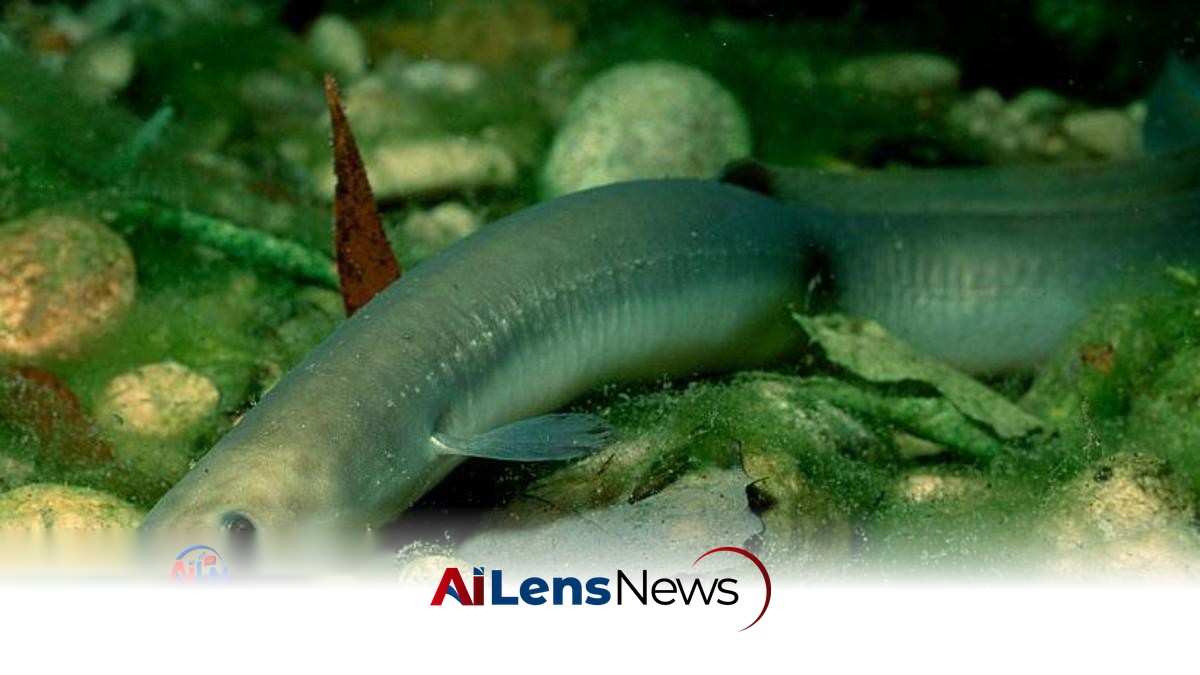


A pollution incident in Bromley's River Pool has resulted in the deaths of numerous fish, prompting investigations by the Agency and Thames Water.
New Delhi, India Jul 3, 2026 ALN: A large number of fish died in an as-yet unsolved pollution incident in a Bromley waterway last weekend, the Agency (EA) has said.
The EA and Thames Water are investigating after dead European eels, sticklebacks, gudgeon, and stone loach were discovered in the River Pool. This incident highlights a significant al concern, as the River Pool is part of a delicate ecosystem that supports various aquatic life forms.
Some large coarse fish, such as chub, roach, and dace were also killed, raising alarms about the health of the river and its inhabitants. The affected stretch extends from Cator Park down to the confluence with the River Ravensbourne, covering approximately 3km downstream. This area is known for its biodiversity, and the sudden loss of fish raises questions about the underlying causes of the pollution.
The European eel is listed as critically endangered by the International Union for Conservation of Nature (IUCN), as juvenile populations (glass eels) have dropped by up to 95% since the 1980s. This alarming decline is attributed to various factors including overfishing, habitat loss, and barriers to migration. The now elusive species was once common and frequently caught in the River Thames to make eel pies and jellied eels, traditional dishes that reflect the cultural heritage of the region.
The incident has had no impact on public drinking water supplies, as confirmed by the Local Democracy Reporting Service. However, the EA advised members of the public and their animals to avoid the affected stretch of the river, indicating potential risks associated with the contamination. This precautionary measure is essential to prevent any adverse health effects from exposure to polluted water.
The agency's officers are continuing to monitor water quality, collect samples, and assess the risk of any ongoing fish mortality, while its fisheries team is assessing the extent of the impact on river wildlife. This thorough investigation is crucial for understanding the full scope of the pollution incident and its long-term implications for the ecosystem.
Thames Water, which operates the local drainage network, said it was "urgently investigating the pollution incident" but its cause is yet to be determined. The complexity of identifying the source of pollution often involves extensive testing and analysis, as pollutants can originate from various sources including agricultural runoff, industrial discharges, or sewage overflow. The company has deployed aeration at key locations along the River Pool to increase dissolved oxygen levels and help mitigate further impacts. This method is often used in aquatic s to improve conditions for fish and other organisms that rely on oxygen-rich water.
A Thames Water spokesperson said tests were currently being carried out and it "understands the concerns residents will have". The community's anxiety reflects a broader concern about water quality and al health, particularly in areas where local waterways are integral to recreation and wildlife.
Beckenham Town and Copers Cope councillor, Steven Jefferies, praised the EA for reacting swiftly to the "tragic incident". He emphasized the importance of the river ecosystem, stating, "Beckenham's rivers play a crucial role in supporting the biodiversity of our area and bring great benefits to the health and wellbeing of residents living in our community." His remarks underscore the interconnectedness of al health and community wellbeing, highlighting that clean waterways are vital for both wildlife and human populations.
As investigations continue, the community remains concerned about the health of the river ecosystem and the future of its wildlife. Local residents, al groups, and community leaders are likely to be closely monitoring the situation, advocating for transparency in the investigation and prompt action to prevent future incidents. This incident serves as a reminder of the fragility of aquatic ecosystems and the ongoing challenges posed by pollution.
Water pollution incidents like this are not isolated events; they reflect a larger trend of al degradation that has been observed across many regions. Factors contributing to water pollution include industrial activities, agricultural practices, urban runoff, and inadequate waste management systems. The consequences of such pollution are far-reaching, affecting not only aquatic life but also human health, recreational opportunities, and the overall quality of the .
In recent years, there has been a growing awareness of the need for sustainable practices to protect water resources. Governments, non-profit organizations, and communities are increasingly advocating for policies aimed at reducing pollution and promoting conservation efforts. This includes implementing stricter regulations on industrial discharges, improving wastewater treatment processes, and encouraging ally friendly agricultural practices.
The incident in Bromley serves as a crucial case study for understanding the challenges of managing water quality in urban areas. It highlights the importance of collaboration between governmental agencies, utility companies, and local communities in addressing al issues. Effective communication and swift action are essential to mitigate the impacts of pollution and restore the health of affected ecosystems.
The implications of this pollution incident extend beyond immediate concerns for fish populations. The health of the River Pool is indicative of the broader al health of the region. As investigations unfold, the findings may lead to recommendations for improved monitoring and management practices to prevent future pollution events. Furthermore, the incident may galvanize community action and advocacy for stronger al protections.
Ultimately, the fate of the River Pool and its inhabitants will depend on the outcomes of the ongoing investigations and the commitment of local authorities and residents to safeguard their natural resources. The situation emphasizes the need for continued vigilance in protecting waterways and fostering a culture of al stewardship within communities.
To learn more about the latest developments in Environment & Climate, stay updated with our exclusive reports and analyses on AiLensNews.

