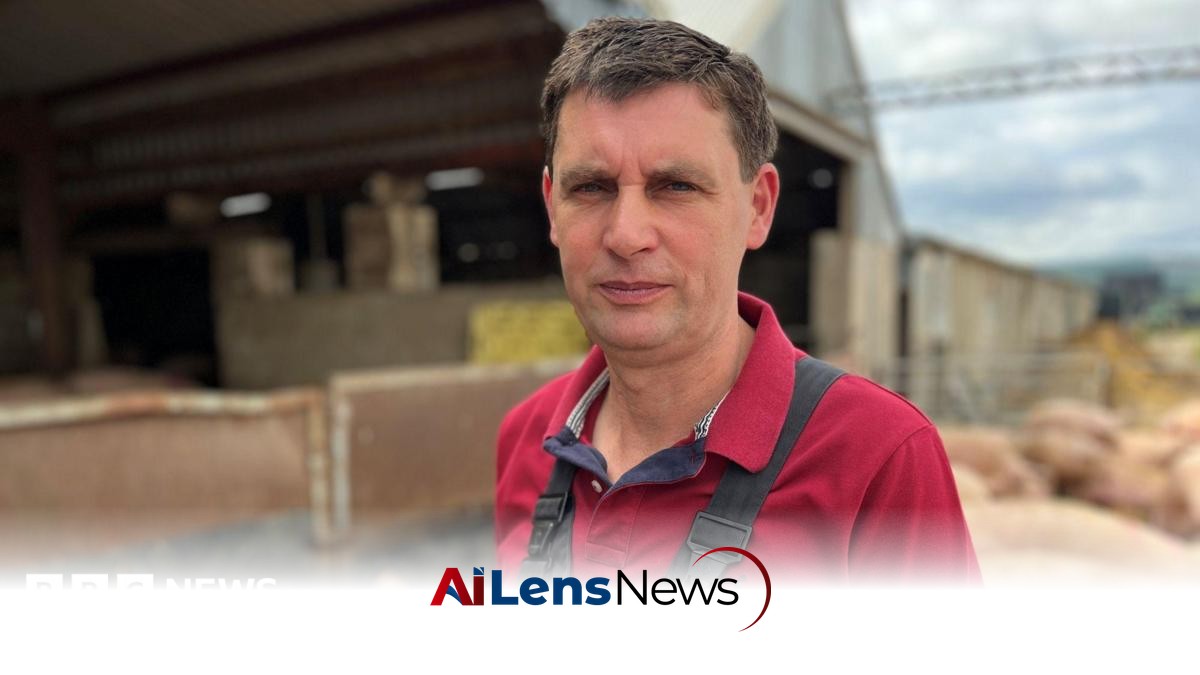


Scottish pig farmers welcome a £2m emergency support package but argue it falls short of addressing their financial losses amid a crisis in the industry.
New Delhi, India Jul 10, 2026 ALN: Independent pig farmers in Scotland have welcomed a £2m emergency support package from the Scottish government but say it's not enough to stop them losing money.
The Scottish pig farming sector is currently facing unprecedented challenges, primarily due to an outbreak of African Swine Fever (ASF) in Spain. This disease has severely impacted the pork industry by halting exports to major markets such as China, which has traditionally been a significant destination for Scottish pork. The resulting oversupply of pork across Europe has led to a drastic decrease in wholesale prices, creating a precarious situation for farmers who are already operating on thin margins.
Farming leaders estimate that the industry in Scotland is losing about £1m a month, an alarming figure that underscores the severity of the crisis. Many producers have already made the difficult decision to exit the pig sector, unable to sustain their operations in the face of mounting financial losses. The situation is further exacerbated by the fact that pig farming in Scotland is classified as an unsupported part of the agricultural industry, meaning farmers do not receive any government subsidies that could help mitigate their losses.
The £2m support package announced by the Scottish government is intended to assist independent pig farmers who have historically been paid significantly less than larger producers. This funding will enable qualifying farmers to claim back some of the losses they have incurred due to the plummeting prices. However, many farmers, including those like Danny Skinner, who runs a pig farm in Aberdeenshire, have expressed that this amount is insufficient to address the ongoing financial strain they are experiencing.
Skinner, who manages around 450 sows and sells approximately 270 fat pigs each week, has reported losses of about £40 for each animal sold. This translates to a staggering weekly loss of around £10,000, which he describes as unsustainable. Although the government's support will reduce his loss to about £25 per pig, he remains concerned about the long-term viability of his farm. "We are still majorly going to be in debt. We're very grateful for something, but it's not going to be the answer to our problems at the moment," Skinner stated, highlighting the ongoing challenges faced by farmers in the region.
The support package allows qualifying farmers to claim the difference between the price they receive for their pigs and 85% of the Standard Pig Price (SPP), which is calculated on a weekly basis. Currently, the SPP has been hovering around £1.75 per kg, while smaller producers like Skinner have been receiving as little as £1 per kg for their pigs. This discrepancy illustrates the financial pressures that independent farmers are facing, as the prices they receive are well below the cost of production.
Rural Affairs Secretary Gillian Martin acknowledged the difficult circumstances surrounding the pig sector. She indicated that while she would like to provide more financial assistance, the current economic climate presents significant challenges. "This vital funding, which is only available in Scotland, will help protect local jobs, sustain Scotland's pork supply chain, safeguard the Prime Scottish Pork brand, and protect the production of high-quality, high-welfare, locally produced food," Martin stated. Her comments reflect a broader concern about the implications of the crisis not only for farmers but also for the local economy and food supply.
In addition to the immediate financial support, Martin has reached out to the UK government to advocate for more urgent actions aimed at enhancing biosecurity measures at borders to prevent African Swine Fever from entering the country. The Scottish government has reported that the total number of sows has decreased by approximately 15% since the beginning of the year, with four producers exiting the sector altogether. These statistics indicate a troubling trend that could have long-lasting effects on the pig farming industry in Scotland.
The pork supply chain is a crucial component of Scotland's agricultural landscape, supporting around 2,200 jobs. However, the current crisis poses a threat not only to farmers but also to the broader economy, as a decline in local production could lead to increased reliance on imports for pork products. This shift could have implications for food security, as well as for the quality and standards of imported goods compared to locally produced options.
The funding provided by the Scottish government will be applied retrospectively to losses incurred since March and will continue until August. However, it is important to note that pig producers who are under the same ownership as the operators of the abattoir will not qualify for this funding, which raises questions about the fairness and accessibility of the support offered.
Andrew Connon, president of NFU Scotland, has characterized the current situation as "totally unsustainable" and described it as the worst crisis that pig farmers have experienced in more than 50 years. He emphasized the urgent need for a fair price for pork products, stating that the current prices are well below the cost of production. This reality has contributed to the industry's distress and highlights the need for systemic changes to support farmers in the long term.
The £2m funding may provide temporary relief for farmers struggling to manage their debts due to low prices, but the sustainability of the pig farming sector hinges on a more comprehensive solution. If prices remain consistently below the cost of production, many more farmers may be forced to consider leaving the sector entirely. Such a scenario would not only diminish local production capacity but also increase the reliance on imported pork products, which could have far-reaching implications for the agricultural landscape in Scotland.
The challenges faced by Scottish pig farmers are emblematic of broader issues within the agricultural sector, where market volatility, disease outbreaks, and changing consumer preferences can have profound effects on the viability of farming operations. As the government and industry leaders work to address these challenges, it will be essential to develop strategies that ensure the long-term sustainability of the pig farming sector and protect the livelihoods of those who depend on it.
To learn more about the latest developments in Research & Discoveries, stay updated with our exclusive reports and analyses on AiLensNews.

