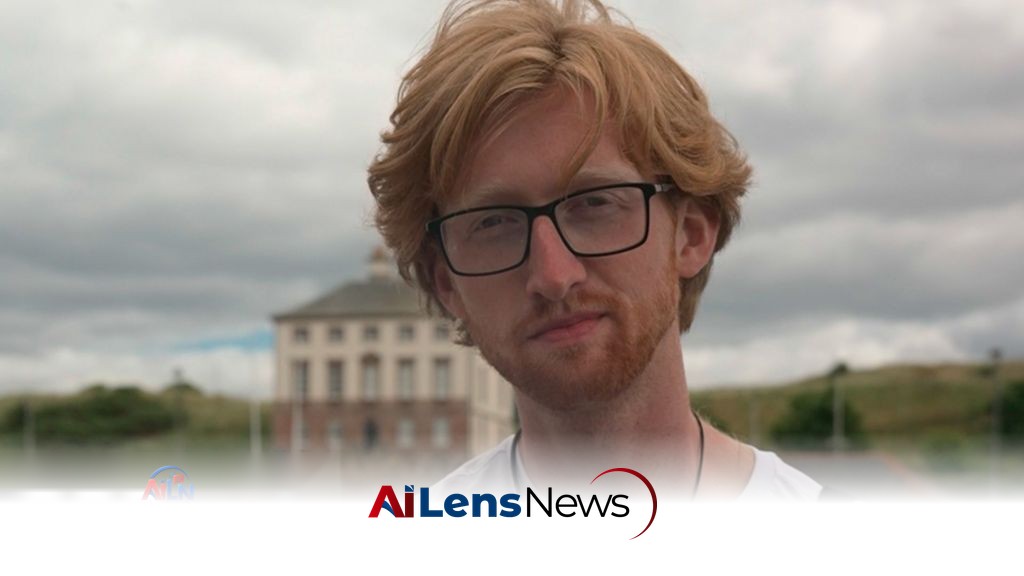


Eyemouth's gull ranger is working towards a more harmonious coexistence between gulls and humans.
New Delhi, India Jul 3, 2026 ALN: In a groundbreaking initiative, Eyemouth has appointed Scotland's first gull ranger, aiming to foster a more harmonious relationship between the local gull population and the community. This innovative role is designed to address the growing concerns surrounding gull behavior, particularly in urban areas where interactions with humans have become increasingly common. The appointment of a gull ranger marks a significant step toward addressing both the ecological and social dynamics of urban wildlife management, a growing concern in many regions as urbanization continues to expand.
The gull ranger's primary responsibilities include monitoring gull activity, educating the public about gull behavior, and implementing strategies to mitigate conflicts. By serving as a liaison between the gulls and the residents, the ranger hopes to promote understanding and coexistence. The role is multifaceted, requiring not only a deep understanding of avian biology and behavior but also strong communication skills to effectively engage with the community. The ranger will likely collaborate with local wildlife experts and organizations to develop best practices for managing gull populations in urban settings.
In addition to monitoring and education, the gull ranger will also be tasked with developing and implementing community outreach programs aimed at fostering a positive relationship between the residents and the gull population. This could include school programs, informational pamphlets, and social media campaigns designed to inform the public about the ecological role of gulls and the importance of respectful coexistence. By creating a network of informed citizens, the ranger hopes to build a community that actively participates in wildlife conservation efforts.
Gulls have often been viewed negatively due to their scavenging habits and aggressive behavior, especially during breeding season. This perception has led to calls for culling in some areas, which the gull ranger aims to counteract by highlighting the ecological importance of gulls. Gulls play a crucial role in the ecosystem as scavengers, helping to maintain the balance by consuming waste and detritus. Their presence can indicate the health of coastal ecosystems, and they are often seen as indicators of marine ecosystem changes. The ranger will work to shift the narrative from one of nuisance to one of ecological necessity, emphasizing that the challenges posed by gulls are often a result of human actions, such as improper waste disposal and habitat encroachment.
Moreover, the gull population has been facing numerous threats, including habitat loss, climate change, and pollution, which have altered their natural behaviors and habitats. As urban areas expand, gulls are forced to adapt to new s, often leading to increased conflicts with humans. The gull ranger's role will include advocating for policies that protect gull habitats and promote sustainable practices that minimize human-wildlife conflict.
Part of the ranger's mission involves engaging with the community through workshops and informational sessions. These initiatives are designed to educate residents about the benefits of gulls, such as their role in controlling pest populations and contributing to the local ecosystem. The gull ranger will also address common misconceptions about gull behavior, helping residents understand that aggressive interactions often stem from the birds feeling threatened or defending their nests. By fostering dialogue and providing practical advice on how to coexist with gulls, the ranger aims to reduce conflict and promote a sense of stewardship among community members.
Engaging with local businesses will also be a key focus for the gull ranger. Many businesses in urban areas can inadvertently contribute to gull-related issues through practices such as improper waste disposal or outdoor dining setups that attract gulls. The ranger will work with these businesses to develop strategies that minimize attractants for gulls, such as implementing better waste management practices and providing training on how to reduce gull interactions.
The gull ranger envisions a future where gulls are appreciated rather than vilified. By fostering a sense of respect and understanding, the ranger hopes to change the narrative surrounding these birds and encourage more positive interactions between gulls and humans. This vision aligns with broader trends in wildlife conservation, where the focus is increasingly on coexistence rather than eradication. The ranger's efforts could serve as a template for similar initiatives in other coastal and urban areas facing challenges with gull populations. By showcasing successful strategies and outcomes, Eyemouth could become a leader in urban wildlife management.
In the long term, the gull ranger aims to establish a network of gull rangers across Scotland, creating a cohesive approach to managing gull populations at a national level. This network could facilitate the sharing of resources, strategies, and success stories, ultimately leading to a more unified effort in addressing urban wildlife challenges throughout the country.
The establishment of a gull ranger in Eyemouth reflects a growing recognition of the need for innovative approaches to wildlife management in urban settings. As cities expand and encroach on natural habitats, wildlife interactions with humans are becoming more frequent, leading to conflicts that can have detrimental effects on both parties. Traditional methods of dealing with wildlife, such as culling or relocation, can often be ineffective and controversial. In contrast, the gull ranger's approach emphasizes understanding and education, which could lead to long-term solutions that benefit both wildlife and human communities.
Moreover, this initiative could inspire other communities to adopt similar roles for different species that pose challenges. For instance, cities grappling with issues related to raccoons, foxes, or even pigeons might benefit from the establishment of specialized rangers who can address specific concerns while promoting coexistence. This trend could lead to a paradigm shift in how urban wildlife is perceived and managed, ultimately fostering more sustainable and ecologically responsible communities.
As urbanization continues to rise globally, the lessons learned from Eyemouth's gull ranger initiative could prove invaluable. The approach taken by the ranger — focusing on education, community involvement, and ecological awareness — could serve as a model for cities worldwide facing similar challenges with urban wildlife. By prioritizing coexistence over conflict, communities can develop strategies that enhance both biodiversity and quality of life.
As Eyemouth's first gull ranger embarks on this unique journey, the hope is that this initiative will serve as a model for other communities facing similar challenges with wildlife. Through education and engagement, the goal is to create a more balanced coexistence between humans and gulls. By addressing the root causes of conflict and promoting a more informed and compassionate view of urban wildlife, the gull ranger has the potential to transform the relationship between the community and the gull population. If successful, this initiative could pave the way for a more harmonious future where both humans and wildlife can thrive together, benefiting from each other's presence in shared spaces.
To learn more about the latest developments in Biology & Life Sciences, stay updated with our exclusive reports and analyses on AiLensNews.

