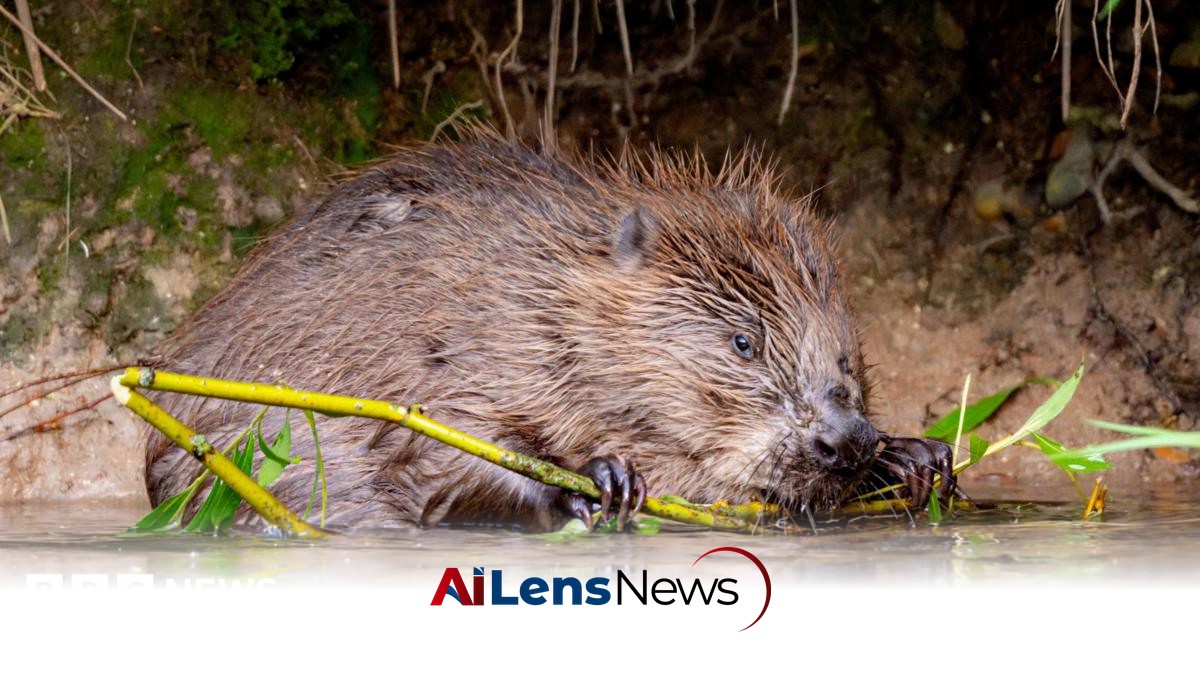


Endangered rodents, birds, and butterflies will benefit from a significant government investment aimed at wildlife conservation.
New Delhi, India Jul 11, 2026 ALN: Beavers, endangered butterflies, and birds will be among the species to benefit from a £1.28m government grant.
The money has been awarded to the Kent Wildlife Trust through Natural England's Species Recovery Programme, backed by the Department for Food and Rural Affairs (Defra). This funding is part of a broader initiative aimed at addressing the alarming decline in biodiversity across the UK, which has seen significant losses in various wildlife populations and habitats over recent decades.
The funding will be allocated to projects along the River Stour, which is home to England's largest population of wild beavers, as well as ancient woodlands at the Blean, near Canterbury. The River Stour and its surrounding ecosystems are vital for numerous species, making this investment crucial for maintaining ecological balance in the region. The River Stour is not only significant for its biodiversity but also for its cultural and historical importance, having been a crucial waterway for trade and transport in centuries past.
The Trust emphasized that this award highlights the county's critical role in conserving endangered wildlife. Kent, with its diverse landscapes ranging from coastal areas to woodlands and wetlands, serves as a sanctuary for various species that are struggling to survive in the face of habitat loss, climate change, and human activities. The county's unique geographical position, bordering the English Channel and featuring a variety of habitats, makes it a biodiversity hotspot, which is increasingly recognized in conservation strategies.
Paul Hadaway, director of conservation and engagement, stated: "It gives us the opportunity to strengthen our nationally important beaver population, deepen our understanding of some of England's least known woodland invertebrates, and create the conditions for them to recover and thrive." The reintroduction of beavers, which were once native to the UK but became extinct in the 16th century due to overhunting and habitat destruction, is particularly significant. Beavers play a crucial role in their ecosystems by creating wetlands, which support a wide range of wildlife and help improve water quality. Their activities can lead to increased biodiversity, as the wetlands they create serve as habitats for many other species, including fish, amphibians, and a variety of plants.
He added, "The knowledge we gain here in Kent won't just benefit local wildlife - it will help shape species recovery across England." This statement underscores the importance of localized conservation efforts in contributing to national biodiversity goals. The data and insights gathered from these projects can inform best practices and strategies for conservation across different regions, enhancing the overall effectiveness of wildlife recovery initiatives. The integration of scientific research and community involvement is crucial for the success of these initiatives, as it fosters a deeper understanding of local ecosystems and encourages stewardship among residents.
The biodiversity of the beaver population will be enhanced with the release of more animals, while the Trust collaborates with landowners to restore the creatures' habitat. This collaboration is essential, as many conservation efforts require the support and involvement of local communities and stakeholders. Engaging landowners in habitat restoration ensures that conservation measures are sustainable and aligned with agricultural and land management practices. The success of these initiatives often hinges on the willingness of landowners to adapt their practices and recognize the value of biodiversity as a component of healthy ecosystems.
A survey of the Blean will focus on six endangered species found in the area, including the heath fritillary butterfly, one of the UK's rarest, and the turtle dove. The heath fritillary butterfly has experienced a dramatic decline in population due to habitat loss and changes in land use. Conservation efforts aimed at this species will not only benefit the butterfly itself but also enhance the overall health of the ecosystem in which it resides. Protecting such species can lead to a more resilient ecosystem, as each species plays a role in maintaining ecological balance.
The turtle dove, another species of concern, has seen a significant drop in numbers, primarily due to habitat degradation and changes in agricultural practices. Protecting habitats that support these species is critical for their survival and for maintaining the biodiversity of the region. The decline of the turtle dove serves as a poignant reminder of the broader challenges facing many bird species in the UK, which are increasingly threatened by human activities such as intensive farming and urban development.
Emma Reynolds, Secretary of State for Food and Rural Affairs, remarked: "Through the largest-ever investment in species recovery, we are backing projects across the country to protect threatened wildlife, restore habitats, and secure the future of some of England's most iconic species." This statement reflects the government's recognition of the urgent need for action to halt biodiversity loss and the importance of funding for conservation initiatives. The commitment to investing in species recovery is part of a larger strategy to address al issues, including climate change and habitat destruction, which are interlinked challenges that threaten both wildlife and human populations.
The Species Recovery Programme, under which this funding is being allocated, aims to reverse the decline of threatened species through targeted conservation efforts. It emphasizes the need for a multi-faceted approach that includes habitat restoration, species monitoring, and community engagement. This holistic strategy recognizes that biodiversity conservation is not solely the responsibility of government or conservation organizations but requires the active participation of all stakeholders, including local communities, businesses, and individuals.
In recent years, there has been growing public awareness and concern regarding biodiversity loss, driven by reports from scientists and organizations highlighting the critical state of wildlife populations. The UK government has responded by increasing its commitment to conservation funding and policies aimed at protecting natural habitats. This shift in public and governmental attitudes towards conservation is encouraging, as it reflects a broader understanding of the interconnectedness of human well-being and biodiversity health.
Moreover, this funding aligns with broader international efforts to address biodiversity loss, including commitments made under the Convention on Biological Diversity. Countries around the world are recognizing the importance of preserving natural ecosystems not only for wildlife but also for the services they provide to humans, such as clean air, water, and climate regulation. International collaboration is essential in tackling biodiversity loss, as many species and ecosystems transcend national borders, necessitating cooperative conservation efforts.
In conclusion, the £1.28m grant awarded to the Kent Wildlife Trust represents a significant step towards enhancing wildlife conservation efforts in the region. By focusing on key species such as beavers, butterflies, and birds, this funding will contribute to the restoration of vital habitats and the recovery of endangered populations. The collaborative efforts between conservation organizations, landowners, and government bodies are essential for ensuring the long-term sustainability of these initiatives and the protection of the UK’s rich biodiversity. The success of this funding initiative could serve as a model for similar projects across the country, demonstrating the potential for effective conservation strategies to reverse the trends of biodiversity loss.
To learn more about the latest developments in Environment & Climate, stay updated with our exclusive reports and analyses on AiLensNews.

