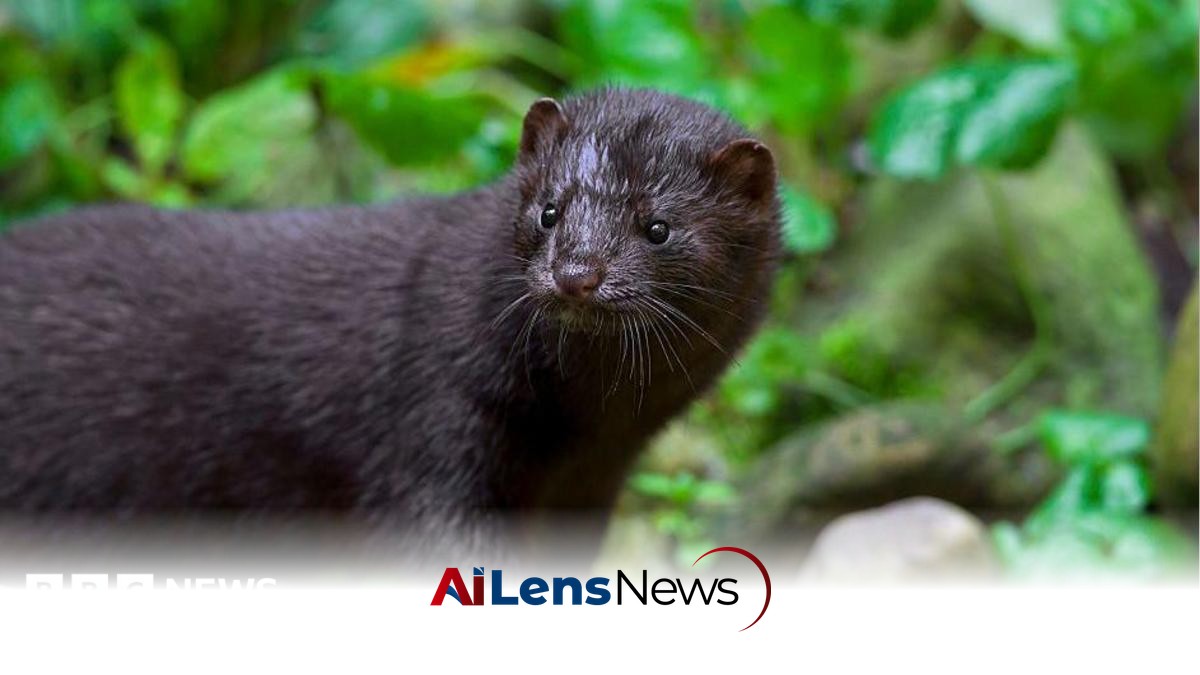


Conservationists aim to significantly reduce invasive mink populations in Kent to protect local wildlife.
New Delhi, India Jul 6, 2026 ALN: Mink numbers in Kent could be cut by 90% within two years under a new project aimed at protecting wildlife.
The initiative, spearheaded by the Waterlife Recovery Trust (WRT), has received a £20,000 grant from the BASC Wildlife Fund. This funding will facilitate an expansion of trapping and monitoring efforts across Kent, a region that historically had one of Britain's highest densities of invasive American mink. The American mink, a species introduced to Britain for fur farming, has become a significant threat to local ecosystems, leading to a decline in native wildlife populations.
Conservationists have long been alarmed by the impact of mink on other wildlife, particularly the water vole, which is recognized as the UK's fastest-declining mammal. Water voles have suffered greatly due to predation by mink, which are agile hunters capable of traversing both land and water with ease. The plight of the water vole is emblematic of broader ecological challenges, as it serves as a critical component of wetland ecosystems, contributing to the health of waterways and the biodiversity they support.
In addition to water voles, mink also prey on ground-nesting birds such as snipe, lapwing, and various species of waterfowl, including ducks and swans. These predatory behaviors disrupt local bird populations, which are already facing pressures from habitat loss, climate change, and other human activities. Birds like kingfishers and sand martins, which rely on healthy aquatic ecosystems for their survival, are also at risk from the invasive behavior of the mink.
The project in Kent is modeled after a successful initiative in East Anglia, where conservationists reported a remarkable 70% year-on-year reduction in mink numbers. This effort ultimately led to the complete removal of the invasive species from regions in Norfolk, Suffolk, and East Cambridgeshire. The success in East Anglia serves as a hopeful precedent for the current project in Kent, demonstrating that targeted conservation efforts can yield significant results in managing invasive species and protecting native wildlife.
Michelle Nudds, BASC's South East regional director, highlighted the strong support for the initiative among landowners and volunteers in Kent. She remarked, "The appetite from landowners and volunteers across Kent shows just how much support there is for this work on the ground." This community involvement is crucial for the project's success, as local stakeholders often play a key role in wildlife management and conservation efforts.
Looking ahead, Nudds expressed optimism about the potential outcomes of the project, stating, "We're looking forward to seeing the results." The anticipation of positive results underscores the importance of ongoing monitoring and evaluation in conservation projects, as these efforts can provide valuable insights into the effectiveness of various strategies employed to manage invasive species.
Ali Horn, WRT's Kent project officer, shared her enthusiasm regarding the grant, emphasizing the practical benefits it brings to the project. "It's been great to have extra equipment funded by the BASC Wildlife Fund to cover areas of the county where sightings of mink had been reported but where we didn't yet have traps," she said. The grant has enabled the purchase of 56 smart traps, rafts, and other essential equipment necessary for effectively monitoring and controlling mink populations.
The introduction of smart traps represents a significant advancement in wildlife management techniques. These traps are designed to be more efficient and humane, allowing for the capture of mink while minimizing harm to non-target species. This is particularly important in conservation efforts, as maintaining the integrity of the ecosystem is vital for the overall health of wildlife populations.
As the project unfolds, it will not only focus on the direct reduction of mink numbers but also on the broader implications for biodiversity in Kent. The success of such initiatives can lead to a resurgence of native species, including the water vole and various bird populations, thereby enhancing the ecological balance within the region. Furthermore, the project serves as a reminder of the ongoing challenges posed by invasive species in ecosystems worldwide, highlighting the need for continued vigilance and proactive management strategies.
In addition to the ecological benefits, the project may also have socio-economic implications for the region. Healthy wildlife populations can contribute to ecosystem services that support agriculture, tourism, and recreational activities. For instance, the presence of diverse bird species can enhance birdwatching opportunities, attracting tourists and providing economic benefits to local communities. Similarly, thriving populations of water voles can indicate a healthy aquatic , which is essential for fisheries and other water-dependent industries.
Overall, the initiative to reduce mink numbers in Kent represents a critical step towards restoring the region's biodiversity and protecting vulnerable species. The collaborative efforts of local conservationists, landowners, and volunteers will be integral to the project's success, as they work together to create a more balanced and sustainable ecosystem. As the project progresses, it will be essential to monitor its impacts and adapt strategies as necessary to ensure the long-term health of Kent's wildlife.
Conservation projects like this one not only address immediate ecological concerns but also foster a greater understanding of the interconnectedness of species within ecosystems. By highlighting the importance of native wildlife and the threats posed by invasive species, such initiatives can help raise awareness and promote a culture of conservation among the public.
As the project moves forward, it will be essential to engage with the community, educate the public about the significance of local wildlife, and encourage active participation in conservation efforts. This grassroots involvement can lead to more sustainable practices and a stronger commitment to protecting the natural for future generations.
In conclusion, the ambitious goal of reducing mink numbers by 90% in Kent within two years is a significant undertaking that underscores the importance of targeted conservation efforts. With the support of funding, community involvement, and proven strategies from previous initiatives, there is hope for a positive outcome that can benefit both wildlife and the local community.
To learn more about the latest developments in Environment & Climate, stay updated with our exclusive reports and analyses on AiLensNews.

