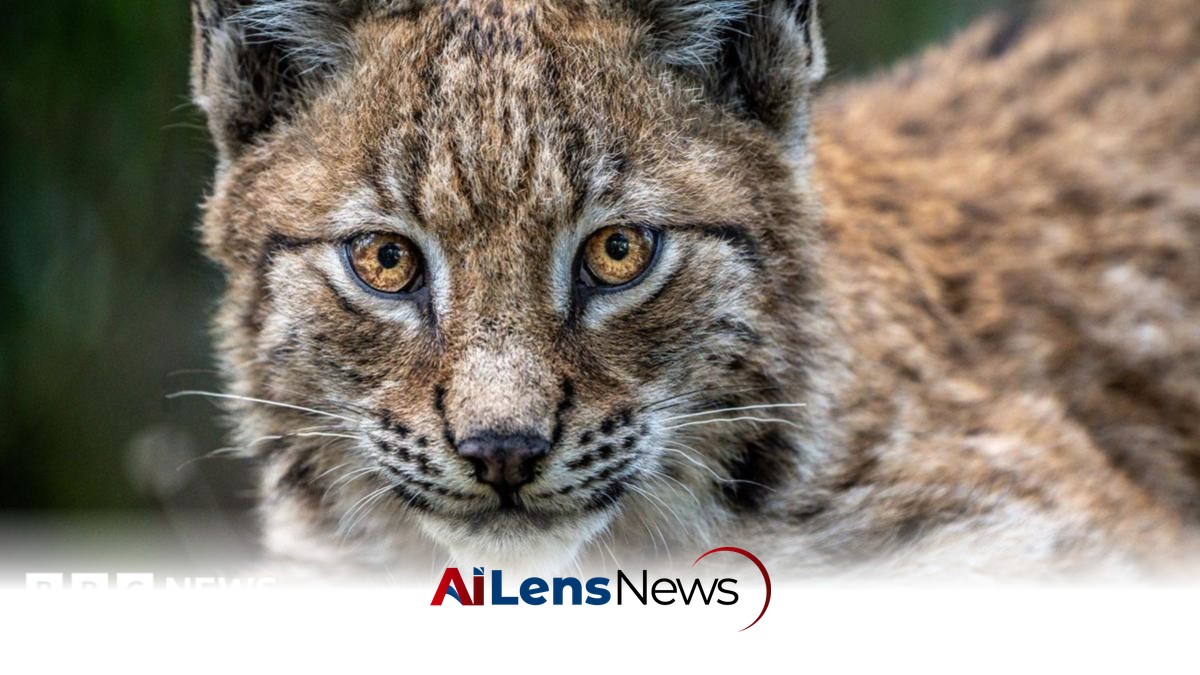


Northumberland County Council members oppose any application to release lynx into the wild, citing concerns over livestock safety.
New Delhi, India Jul 9, 2026 ALN: Plans to reintroduce lynx to some northern parts of England have been opposed by councillors.
Northumberland County Council has backed a motion that it would not support any application to release the big cats into the wild, although a final decision rests with the Department for , Food and Rural Affairs (Defra). This decision has sparked a significant debate among local residents, ecologists, and agricultural stakeholders about the potential ecological benefits and economic implications of such a reintroduction.
The Eurasian lynx, a medium-sized wild cat known for its distinctive tufted ears and short tail, was hunted to extinction in the UK about 1,000 years ago, primarily due to habitat loss and excessive hunting. The species is currently classified as "Least Concern" on the IUCN Red List, indicating that while it is not currently endangered globally, its populations in certain regions are vulnerable. Campaigners argue that reintroducing the lynx to north Northumberland could help control the burgeoning roe deer populations, which have been causing significant ecological damage by overgrazing vegetation, thus threatening biodiversity in the region. The reintroduction is seen as a way to restore a natural predator-prey dynamic that has been absent for centuries.
However, opponents of the reintroduction, including many local farmers, express concerns that the presence of lynx could lead to increased predation on livestock, particularly sheep. Sheep farming is a vital part of the agricultural economy in Northumberland, and the fear of losing livestock to predators is a significant factor in the opposition to the lynx reintroduction plans. The motion against the reintroduction was put forward by non-aligned Rothbury councillor Steven Bridgett, who stated that the authority should oppose any proposals to reintroduce lynx in order to protect farming interests. His comments reflect a broader sentiment among agricultural communities that prioritize livestock safety and economic stability over potential ecological benefits.
The motion was passed by a substantial majority, with 44 votes in favor and only seven against, alongside five abstentions. The strong support for the motion indicates a clear stance from the council, highlighting the tension between agricultural interests and conservation efforts. This divide is emblematic of a larger national conversation about land use, wildlife management, and the challenges of balancing economic needs with ecological preservation.
Before the vote, Bridgett articulated the concerns of many farmers, stating: "Our landscape is managed by [farmers] and they are there to put food on our tables. Ultimately that's what we want them to do, and we want them to have the freedom to do that. We don't want them getting up at 5 in the morning to check their livestock and finding that their herd of sheep has been dispersed and there's animal carcasses across the farm." This statement encapsulates the anxiety among local farmers regarding the potential impacts of reintroducing a top predator into an area where livestock farming is prevalent.
The debate is further complicated by differing views on the ecological role of the lynx. Proponents of the reintroduction argue that the lynx could help control deer populations, which have increased dramatically in recent years. This overpopulation of deer can lead to significant ecological damage, including the destruction of young trees and the degradation of undergrowth, which can harm other wildlife species and reduce biodiversity. The Missing Lynx Project, which is advocating for the reintroduction of the lynx, points to a consultation that found 72% of people in the region supported the initiative. This statistic suggests that public opinion may not align with the council's decision, indicating a divide between local governance and community sentiment.
Supporters of the reintroduction, including Northumberland-based naturalist Richard Cansdale, argue that the presence of lynx could significantly benefit the local ecosystem. Cansdale stated, "If lynx came in, and they reduced the impact that roe deer over-grazing and over-browsing had on trees, then biodiversity would actually improve. There would be more things to eat." His remarks highlight the ecological rationale behind the reintroduction, emphasizing the potential for increased biodiversity and healthier forest ecosystems as a result of natural predation on deer populations.
Moreover, Cansdale suggests that any potential downsides, such as predation on lambs, could be mitigated through the establishment of a compensation scheme for affected farmers. He noted, "What better evidence do you need than to talk to people where it has been done successfully? And if there was a downside, and if lambs are being taken, and that's a farmer's likelihood, and I totally respect that, let's have a compensation scheme." This proposal for compensation reflects a growing trend in wildlife management, where stakeholders seek to balance conservation efforts with the economic realities faced by farmers.
The debate surrounding the lynx reintroduction in Northumberland is emblematic of a broader conflict between conservation and agriculture that is occurring in various parts of the world. As ecosystems face increasing pressures from human activity, the reintroduction of apex predators is often proposed as a solution to restore ecological balance. However, these initiatives frequently encounter resistance from agricultural communities that fear economic loss and disruption to their livelihoods.
In various countries, similar reintroduction efforts have been met with mixed results. For example, in Germany and Switzerland, lynx populations have been successfully reestablished, leading to positive ecological outcomes. However, these cases also faced challenges, including public opposition and the need for ongoing management strategies to address livestock predation. The experiences from these countries could provide valuable insights for Northumberland as it navigates the complexities of this proposal.
As discussions continue, the outcome of the lynx reintroduction proposal will likely hinge on negotiations between conservationists, local councils, and agricultural stakeholders. The need for effective communication and collaboration among these groups is crucial to find a path forward that respects both ecological integrity and agricultural viability. The implications of this decision could extend beyond Northumberland, serving as a case study for other regions grappling with similar challenges of wildlife conservation and agricultural management.
Ultimately, the lynx reintroduction debate raises fundamental questions about how society values wildlife, the , and agricultural practices. As the pressures of climate change and habitat loss continue to mount, the decisions made today will shape the future of both wildlife and farming in the UK. The importance of fostering a dialogue that includes diverse perspectives will be essential in addressing these complex issues and finding sustainable solutions that benefit both ecosystems and local economies.
To learn more about the latest developments in Biology & Life Sciences, stay updated with our exclusive reports and analyses on AiLensNews.

