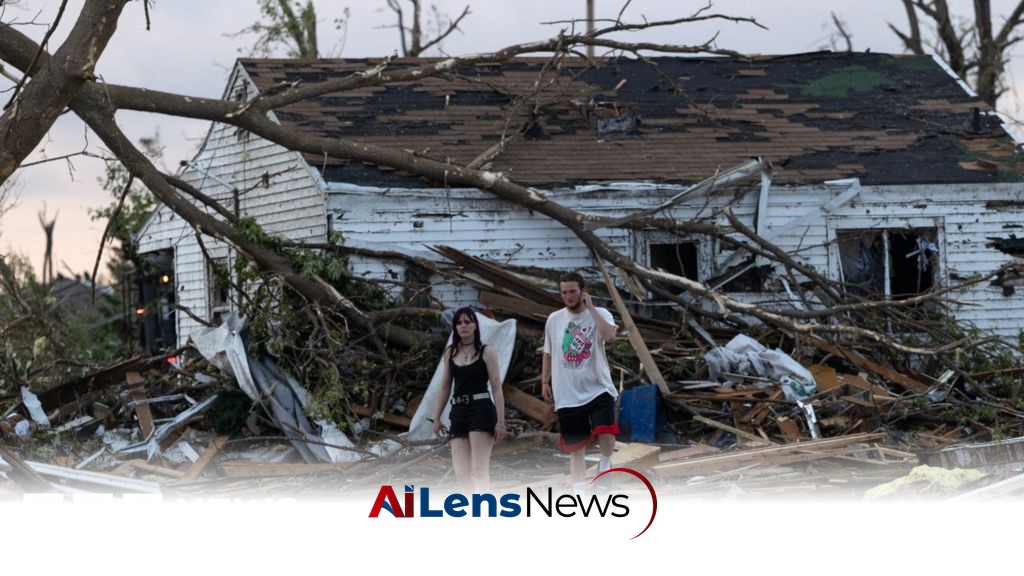


An EF-2 tornado struck Wisconsin, leading to a state of disaster declaration as crews assess damage and clear debris.
New Delhi, India Jul 28, 2026 ALN: An EF-2 tornado recently hit parts of Wisconsin, causing extensive damage but fortunately resulting in no reported fatalities or injuries. The tornado's impact prompted officials to declare a state of disaster as emergency crews worked tirelessly to clear debris and assess the destruction. Tornadoes, classified on the Enhanced Fujita scale, are ranked from EF-0 to EF-5 based on the damage they cause, with EF-2 tornadoes capable of producing winds between 111 to 135 miles per hour. This particular tornado is a reminder of the severe weather patterns that can affect the Midwest, particularly during the spring and summer months when conditions are ripe for tornado formation.
The tornado, which touched down in several areas, left a trail of destruction in its wake. Homes were severely damaged, with roofs torn off and trees uprooted. In addition to residential damage, local businesses also faced significant impacts, with storefronts damaged and inventory destroyed. The aftermath of the tornado highlights the vulnerability of communities to natural disasters, particularly in regions prone to severe weather. Residents were advised to shelter in place due to downed power lines and other hazards that posed risks to safety. The National Weather Service reported that the tornado touched down in multiple locations, indicating a wide-spread impact that necessitated a coordinated emergency response.
Emergency crews have been deployed to the affected regions to conduct searches and ensure the safety of residents. Local authorities are coordinating efforts to provide assistance to those impacted by the storm. This includes not only search and rescue operations but also the establishment of temporary shelters for those who lost their homes. The Federal Emergency Management Agency (FEMA) may also become involved in the recovery efforts, providing federal assistance to state and local agencies. The community is coming together to support one another during this challenging time, with many residents volunteering their time and resources to help those in need. The swift response by emergency services illustrates the preparedness of local agencies in dealing with such disasters, although the scale of the damage may still present challenges in the recovery phase.
This tornado is part of a broader pattern of severe weather affecting the Midwest. Meteorologists continue to monitor conditions, as additional storms may develop in the coming days. The weather system that spawned the tornado was characterized by unstable atmospheric conditions, which are common in the spring months when warm, moist air collides with cooler, drier air. This tornado serves as a stark reminder of the importance of weather preparedness and the need for communities to have emergency plans in place. Residents are urged to stay informed and prepared for any further weather-related incidents, including potential severe thunderstorms that can accompany such tornado-producing systems. The National Weather Service has emphasized the importance of having a reliable way to receive weather alerts, especially in areas prone to tornado activity.
In the aftermath of the tornado, local organizations and volunteers are mobilizing to assist those in need. Donations of food, clothing, and other essentials are being organized to help families affected by the disaster. Community resilience is on display as neighbors come together to rebuild and recover. Local churches, non-profits, and civic groups are stepping up to provide support, demonstrating the strength of community bonds in times of crisis. Fundraising efforts are also underway to help cover the costs of repairs and to assist families in rebuilding their lives. These initiatives not only provide immediate relief but also foster a sense of hope and solidarity among residents. The outpouring of support from neighboring communities and even from distant regions reflects a broader sense of unity in times of need.
Wisconsin has a history of tornado activity, particularly during the spring and summer months when conditions are favorable. The state averages around 20 tornadoes annually, with the peak months typically being April through June. Tornadoes in Wisconsin can vary significantly in strength and duration, with some causing minimal damage while others lead to catastrophic destruction. The Enhanced Fujita scale, which categorizes tornadoes based on the damage they inflict, helps meteorologists and emergency responders assess the potential impact of a tornado. Understanding the historical context of tornadoes in Wisconsin is crucial for residents, as it informs preparedness efforts and community response plans.
In light of this recent tornado, officials are reiterating the importance of preparedness for severe weather. Residents are encouraged to have emergency kits ready, which should include essential items such as water, non-perishable food, medications, and first-aid supplies. Additionally, having a family communication plan in place can be vital during emergencies. This includes designating a safe meeting place and ensuring that all family members know how to access reliable weather information. Schools and workplaces are also encouraged to conduct drills to ensure that everyone knows the safest places to take shelter during a tornado. The experience gained from recent events can help refine these plans, making communities more resilient in the face of future storms.
As Wisconsin begins the recovery process from this tornado, officials emphasize the importance of safety and preparedness. The community's response showcases the strength and solidarity of its residents in the face of adversity. Recovery from such a disaster is a long-term process, often requiring months or even years to fully rebuild. Local officials are urging residents to remain vigilant and to participate in community recovery efforts. As the state navigates the aftermath of the tornado, it will be crucial to learn from this event to enhance future preparedness and response strategies. The experience gained from this incident can inform better planning and resource allocation, ensuring that communities are better equipped to handle similar events in the future. The resilience displayed by the people of Wisconsin serves as an inspiring example of how communities can come together in times of crisis, emphasizing the importance of mutual support and cooperation in overcoming challenges.
In conclusion, the recent EF-2 tornado that struck Wisconsin serves as a critical reminder of the power of nature and the importance of community resilience. As affected areas begin to recover, the collaborative efforts of emergency services, local organizations, and residents will be vital in restoring normalcy. The lessons learned from this event will not only aid in recovery but will also enhance future preparedness, ensuring that Wisconsin is better equipped to face the challenges posed by severe weather. The solidarity and support demonstrated by the community in the wake of this disaster illustrate the strength of human spirit and the importance of coming together in times of need.
To learn more about the latest developments in Environment & Climate, stay updated with our exclusive reports and analyses on AiLensNews.

