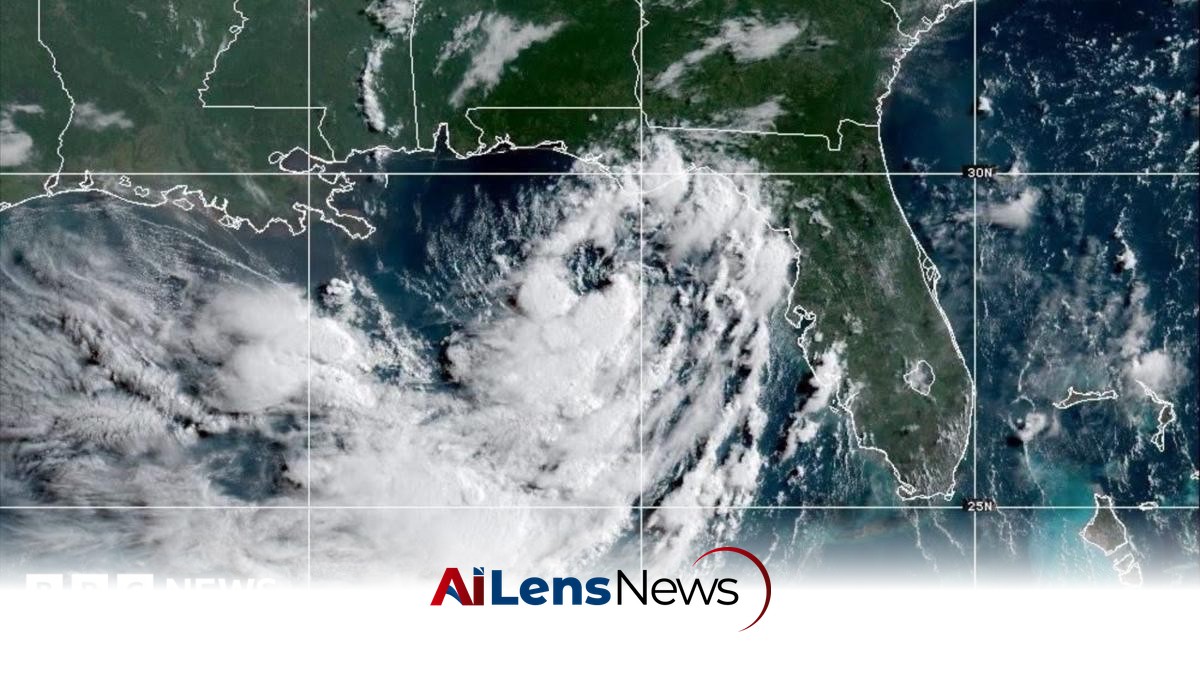


Tropical Storm Bertha is set to impact the Gulf Coast with heavy rain and storm surges, prompting warnings for several states.
New Delhi, India Jul 21, 2026 ALN: A tropical storm swirling in the US Gulf is expected to bring heavy rainfall and a "life-threatening storm surge" to the south-east of the country, according to the National Hurricane Center (NHC).
Tropical Storm Bertha was located about 105 miles (165km) south of Panama City, Florida, carrying windspeeds of 40mph (65 km/h) on Monday. The storm's formation and trajectory have raised concerns among meteorologists and local officials, as the Gulf Coast is particularly vulnerable to tropical weather systems during the hurricane season, which typically runs from June 1 to November 30. The Gulf Coast is a region that has historically faced significant threats from tropical storms and hurricanes, making preparedness and response efforts critical during this time of year.
"Bertha will move near or along the northern Gulf coast during the next several days," said the Miami-based NHC. The storm's path is being closely monitored as it has the potential to affect a wide swath of the southeastern United States, particularly coastal regions that are often prone to flooding and storm damage. The Gulf Coast states, including Texas, Louisiana, Mississippi, Alabama, and Florida, have all experienced the devastating impacts of storms in the past, leading to extensive infrastructure damage and loss of life. Each storm season serves as a reminder of the importance of preparedness and resilience in the face of natural disasters.
The storm could trigger flooding and storm surges in Alabama, Florida, Louisiana, and Mississippi as it drifts west towards Texas. Some areas could receive 8in (20cm) of rain by Friday, and "isolated" tornados could spawn in Florida, say forecasters. The combination of heavy rainfall and high winds poses a significant risk to both lives and property, prompting state and local emergency management agencies to prepare for potential evacuations and emergency responses. In addition to the immediate threat of flooding, the potential for tornadoes adds another layer of danger, as these weather phenomena can occur with little warning and cause widespread destruction.
In an updated bulletin on Monday evening, forecasters said that the tropical storm may build in strength over the next several days, before potentially making landfall in New Orleans, Louisiana, by Wednesday. New Orleans, known for its unique geography, is particularly susceptible to flooding, which can be exacerbated by storm surges. The city's extensive levee system, which was heavily scrutinized after Hurricane Katrina in 2005, is being tested once again as officials brace for Bertha's impact. The lessons learned from past storms have led to improvements in infrastructure and emergency response, but the risk remains high, particularly in low-lying areas.
The bulletin added that tropical storm-force winds extended 70 miles outward from the centre of the storm, and that the storm was moving north-west at around 3mph. This slow movement can lead to prolonged periods of heavy rain in affected areas, increasing the risk of flash flooding and complicating rescue efforts. Flash flooding can occur rapidly, often within minutes, making it crucial for residents to stay informed and heed any evacuation orders issued by local authorities.
"A tropical storm watch is in effect for Ochlockonee River, Florida, westward to the Jefferson/Plaquemines Parish border in Louisiana," forecasters said. This watch indicates that tropical storm conditions are expected within the watch area, prompting residents to take precautions and stay informed through local weather updates and emergency alerts. The importance of timely communication from meteorologists and emergency management officials cannot be overstated, as it can significantly impact the safety and preparedness of communities.
Surges are expected to be between 1-4ft along parts of the Louisiana and Mississippi coastlines, officials said. Flash flooding could occur in urban areas, where drainage systems may struggle to cope with the sudden influx of water. In anticipation of the storm, officials are urging residents to prepare emergency kits, secure their properties, and have a plan in place for potential evacuations. Emergency kits should include essential items such as water, non-perishable food, medications, flashlights, batteries, and important documents. The readiness of individuals and families can make a critical difference in the aftermath of a storm.
The storm's arrival comes amid sweltering summer heat in the US south. High temperatures can complicate the situation, as residents may be without power due to storm damage, leading to dangerous conditions, especially for vulnerable populations such as the elderly and those with health conditions. Heat-related illnesses can become a serious concern in the aftermath of storms, particularly if power outages extend for long periods. Community resources and support networks are vital during these times to assist those who may need help.
In New Orleans, sandbags are being distributed to stave off flood waters. Residents have also been asked to ensure that local storm drains are clear. This proactive approach is part of a broader effort to minimize flooding impacts, as clogged drains can lead to significant water accumulation in streets and homes. Community organizations and volunteers often play a crucial role in these efforts, providing assistance to those in need. The spirit of community resilience is often tested during such events, with neighbors coming together to support one another in challenging times.
Bertha is forecast to weaken back to a tropical depression on Thursday and may dissipate by the end of the week as it nears the Texas coast. However, the potential for severe weather remains a concern, as even weakened storms can still produce heavy rainfall and localized flooding. The unpredictability of tropical storms highlights the need for ongoing vigilance and preparedness, as conditions can change rapidly. Meteorologists continue to stress the importance of monitoring updates and being ready to act as needed.
This is only the second named storm of the season, after Tropical Storm Arthur brought some flooding to the US last month. The relatively slow start to the hurricane season has not diminished the vigilance of meteorologists and emergency management officials, who remain prepared for the possibility of more storms developing as the season progresses. Historical data indicates that the peak of the hurricane season typically occurs from mid-August to late October, suggesting that the threat of additional storms remains high. The patterns of storm formation and intensity can vary significantly from year to year, making it essential for communities to remain prepared regardless of the season's early activity.
As Bertha approaches, residents along the Gulf Coast are reminded of the importance of preparedness and staying informed. Historically, tropical storms and hurricanes have caused significant damage in the region, leading to loss of life and property. The lessons learned from past storms continue to shape the response strategies of local and state governments, as they work to protect communities from the impacts of severe weather. The collective memory of past storms, including the devastation wrought by Hurricane Katrina, informs current practices and policies aimed at disaster resilience.
In conclusion, Tropical Storm Bertha poses a serious threat to the Gulf Coast, with heavy rainfall, storm surges, and the potential for tornadoes. As the storm progresses, it is essential for residents to remain vigilant, heed warnings from local authorities, and take necessary precautions to ensure their safety and the safety of their families. The situation is fluid, and updates from the National Hurricane Center and local emergency management agencies will be crucial in the coming days as Bertha makes its way toward the coast. Preparedness, community support, and timely information will be key factors in mitigating the impacts of this tropical storm.
To learn more about the latest developments in Environment & Climate, stay updated with our exclusive reports and analyses on AiLensNews.

