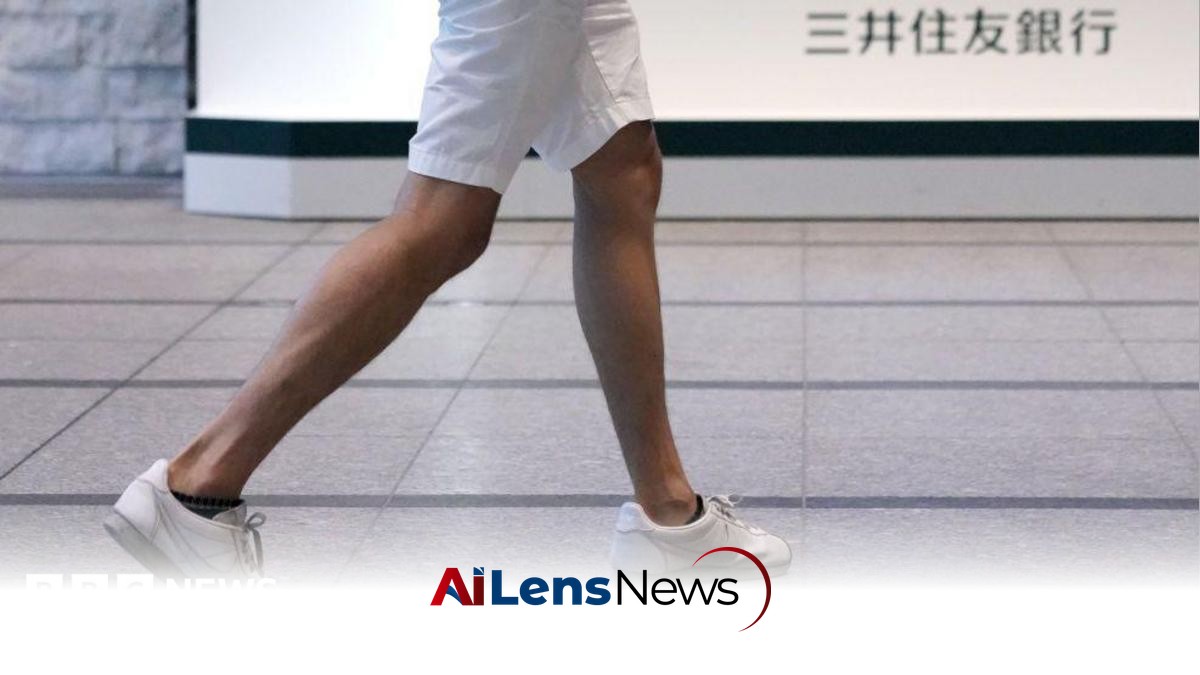


The Tokyo Metropolitan Government's push for men to wear shorts at work has ignited debate, with some women expressing discomfort over 'leg hair harassment'.
New Delhi, India Jul 22, 2026 ALN: As temperatures rise this summer, Japanese men are baring more leg at work than ever before.
The Tokyo Metropolitan Government is pushing company employees to ditch their usual suit and tie for more casual attire, featuring t-shirts, trainers - and shorts. This initiative, known as the "Tokyo Cool Biz," was introduced by Tokyo Governor Yuriko Koike in April and aims to promote comfort and practicality in the workplace during the sweltering summer months.
Tokyo Cool Biz is an extension of a broader movement that began in 2005, when Koike first introduced the concept as Japan's minister. The original campaign, dubbed "Cool Biz," was designed to encourage workers to opt for short-sleeve shirts and lighter clothing as a means of conserving energy during the hot summer months. This initiative soon evolved into a cultural shift within Japanese workplaces, where traditionally formal business attire was the norm. The campaign gained significant traction, especially when prominent government leaders, including then Prime Minister Junichiro Koizumi, publicly embraced the relaxed dress code, often appearing without ties or jackets.
Fast forward to the present, and the newly allowed shorts in the office policy is receiving mixed reviews. While some commentators enjoy the relaxed rules, feeling that they contribute to a more comfortable working , others raise concerns about gender equity and workplace norms. Critics argue that the policy is unfair to women, who are still expected to wear tights when showing part of their legs, thus perpetuating a double standard in professional attire. Additionally, some women have expressed discomfort with the phenomenon dubbed "sunehara," or "leg hair harassment," referring to the unease they feel when confronted with male colleagues' leg hair in a professional setting. This highlights an ongoing conversation about body image, societal expectations, and gender norms in Japan.
In a survey conducted by Gorilla Clinic, a health and wellness organization, 53.5% of respondents opposed wearing shorts to work in the summer, while 46.5% supported the new recommendation. The survey revealed that the primary concerns for those against shorts in the office revolved around body shape and body hair, with women significantly outnumbering men in their opposition. This suggests that societal norms regarding male and female appearances in the workplace remain deeply ingrained, and that many women may feel more uncomfortable with the sight of male colleagues' bare legs than men do with the idea of exposing their own.
As the Tokyo government's recommendation has made casual attire more socially acceptable, a growing number of workers, particularly in startups and tech companies, have begun adopting relaxed clothing styles. However, some men have reported feeling self-conscious about their leg hair, prompting a rise in visits to cosmetic clinics. Akifumi Funatsu, the director of Gorilla Clinic, noted that many clients are seeking cosmetic procedures, such as laser hair removal, not just for aesthetic reasons but as a matter of social etiquette when wearing shorts. This reflects a cultural shift where perceptions of masculinity and grooming are evolving, with some women expressing the belief that "men should have less leg hair" to conform to contemporary standards of appearance.
The push for more casual dress codes comes at a time when Japan is grappling with extreme heat conditions. The Japan Meteorological Agency has warned of record temperatures, with forecasts predicting dangerously high levels of heat. In response to these conditions, officials have emphasized the importance of staying hydrated and utilizing air conditioning to mitigate the risks associated with heat exposure. The agency has also introduced the term "kokusho-bi," which translates to "brutally hot day," to raise public awareness about the dangers of extreme temperatures.
Recent data from the Fire and Disaster Management Agency revealed a concerning trend, with seven reported deaths from heatstroke and over 4,580 hospital admissions in a single week in July. This alarming statistic underscores the critical need for effective measures to combat heat-related illnesses, particularly as Japan faces high humidity levels that hinder the body's natural cooling mechanisms. Experts from the Japan Academic Network for Disaster Reduction have stressed the importance of heat acclimatization, advising residents to prepare for hot weather during the rainy season to prevent heatstroke when summer fully arrives.
In addition to traditional methods of coping with the heat, such as staying hydrated and using air conditioning, many residents have turned to innovative products designed to provide relief. Items like clothing with built-in fans, disposable wet towels, UV-blocking umbrellas, and portable handheld fans have surged in popularity, reflecting a growing consumer demand for comfort and practicality in the face of rising temperatures. These products are now widely available in shops across the country, catering to a populace increasingly aware of the challenges posed by climate change and extreme weather.
The implications of the Tokyo government's shorts initiative extend beyond mere fashion choices. It touches upon deeper issues of gender equality, workplace culture, and the evolving nature of professional attire in Japan. As employees navigate the balance between comfort and professionalism, the conversation surrounding workplace attire is likely to continue, prompting further discussions about how cultural norms can adapt to changing societal expectations. The initiative also serves as a reminder of the broader context of climate change and its impact on daily life, highlighting the need for proactive measures to ensure public health and safety during extreme weather events.
As the summer progresses, it remains to be seen how the shorts initiative will evolve and whether it will lead to more significant changes in workplace attire norms in Japan. The ongoing dialogue about gender equity, body image, and professional expectations will likely shape the future of workplace dress codes, as employees and employers alike seek to find a balance that reflects both comfort and professionalism in an increasingly challenging climate.
To learn more about the latest developments in Science Policy & Society, stay updated with our exclusive reports and analyses on AiLensNews.

