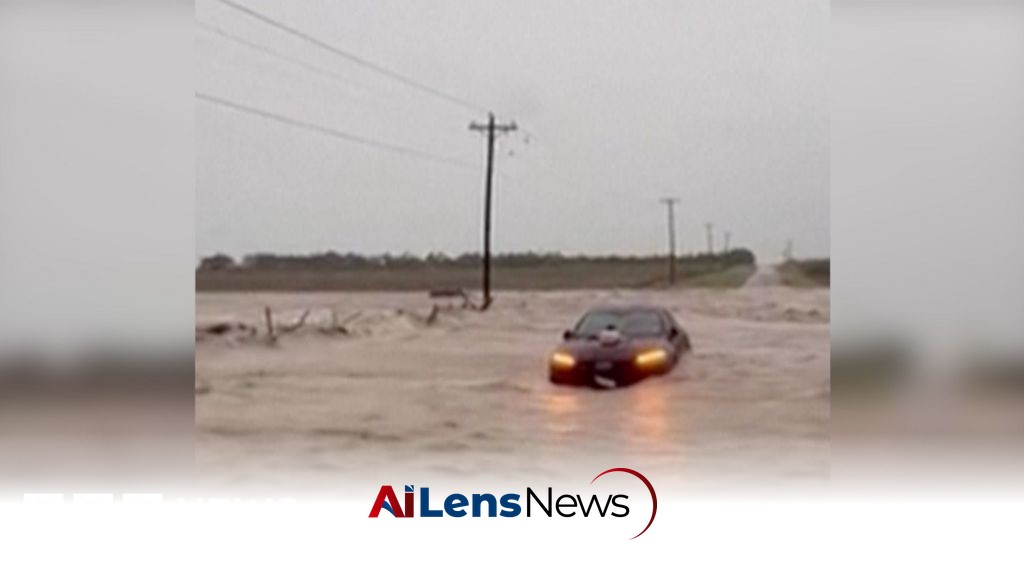


Texas faces significant flooding after heavy rainstorms, prompting evacuations and water rescues as rivers rise dangerously high.
New Delhi, India Jul 16, 2026 ALN: Severe flooding has struck parts of Texas following days of heavy rainfall, prompting evacuations and water rescues across the region. The storms have impacted several counties near the Mexico border, with the Guadalupe River rising more than 25 feet in just one hour. Such rapid increases in river levels are particularly dangerous, as they can catch residents off guard, leading to life-threatening situations. The flooding has also raised concerns about the infrastructure in place to manage such extreme weather events, as many communities are still recovering from previous disasters.
Residents have been urged to shelter in place, while thousands of people have been left without power. As of now, there have been no immediate reports of deaths or injuries. However, the potential for danger remains high, as floodwaters can rise quickly and unexpectedly. The memory of last year's devastating floods remains fresh in the minds of many; more than 100 people were killed during that incident, including 25 children, two counselors, and the owner of Camp Mystic, a Texas all-girls camp near Kerrville. This history of flooding underscores the ongoing risks faced by communities in the region, highlighting the need for effective emergency response systems and community preparedness initiatives.
The recent rainstorms have led to widespread disruptions, with emergency services working tirelessly to assist those in need. Evacuations have been ordered in several areas, and water rescues are ongoing as residents find themselves trapped by rising waters. Many families have been forced to abandon their homes, seeking refuge in emergency shelters set up by local authorities. These shelters are equipped to provide food, medical assistance, and other essential services to those affected by the floods. The swift response of local emergency services has been crucial in mitigating the impact of the flooding, but the scale of the disaster has placed immense strain on available resources.
The economic impact of the flooding is also significant. Businesses in the affected areas are facing closures, supply chain disruptions, and potential long-term financial losses. Farmers and ranchers, in particular, are concerned about the impact on their crops and livestock, which can be severely affected by excessive rainfall and flooding. The agricultural sector in Texas is a vital part of the state's economy, and any long-term damage could have ripple effects throughout the region. Additionally, the tourism industry, which is particularly important in areas prone to flooding, may suffer as potential visitors become wary of the risks associated with traveling to affected regions.
This year's flooding brings back memories of last year's tragedy, where a similar event resulted in significant loss of life. The community remains on high alert, with officials closely monitoring the situation as the weather continues to evolve. It is important to understand that Texas has a history of severe weather events, including hurricanes, thunderstorms, and flash floods, which can occur with little warning. The geography of Texas, with its vast plains and river systems, makes it particularly susceptible to flooding. Historical records indicate that Texas has experienced some of the most severe flooding events in U.S. history, prompting calls for improved infrastructure and emergency preparedness measures.
In recent years, climate change has also played a role in the increasing frequency and intensity of severe weather events. Meteorologists have noted that warmer temperatures can lead to more moisture in the atmosphere, resulting in heavier rainfall during storms. This has raised concerns among scientists and policymakers about the need for improved infrastructure and emergency preparedness to deal with these increasingly common weather challenges. The state has been urged to invest in sustainable practices and disaster resilience strategies to better cope with the implications of climate change.
As the situation develops, residents are encouraged to stay informed and heed the advice of local authorities to ensure their safety. It is vital for communities to come together during times of crisis, supporting one another and sharing resources to help those in need. This communal spirit can often provide emotional support and practical assistance to those affected by the floods.
In addition to immediate safety measures, long-term solutions are being discussed by local and state officials. These may include investing in better drainage systems, flood control measures, and community education programs to raise awareness about the risks of flooding and the importance of preparedness. Engaging with residents to understand their experiences and needs during such events can lead to more effective policies and strategies in the future. Public forums and town hall meetings could serve as platforms for community members to voice their concerns and contribute to discussions about disaster preparedness.
The psychological impact of flooding on affected communities should not be overlooked. Displacement from homes, loss of property, and the stress of navigating recovery can take a toll on mental health. Community support services and mental health resources will be crucial in helping residents cope with the aftermath of the flooding. Access to counseling and mental health support can help individuals process their experiences and rebuild their lives after such traumatic events.
As Texas grapples with the immediate effects of this severe flooding, the lessons learned from past events will be invaluable in shaping future responses and preparedness efforts. The resilience of Texas communities has been tested time and again, and as they face this latest challenge, their ability to adapt and recover will be put to the test once more. Local governments and organizations are likely to assess the effectiveness of their response strategies in the coming weeks, making adjustments as necessary to better prepare for future incidents.
In conclusion, while the current situation is dire, it serves as a reminder of the importance of community preparedness, infrastructure resilience, and the need for ongoing dialogue about climate change and its implications for weather patterns. As Texas continues to deal with the aftermath of severe flooding, the focus will remain on recovery efforts, support for those affected, and planning for the future to mitigate the impacts of such natural disasters. The collaboration between local, state, and federal agencies will be crucial in ensuring that communities receive the assistance they need to recover and rebuild, while also addressing the underlying issues that contribute to the vulnerability of these regions to flooding.
To learn more about the latest developments in Environment & Climate, stay updated with our exclusive reports and analyses on AiLensNews.

