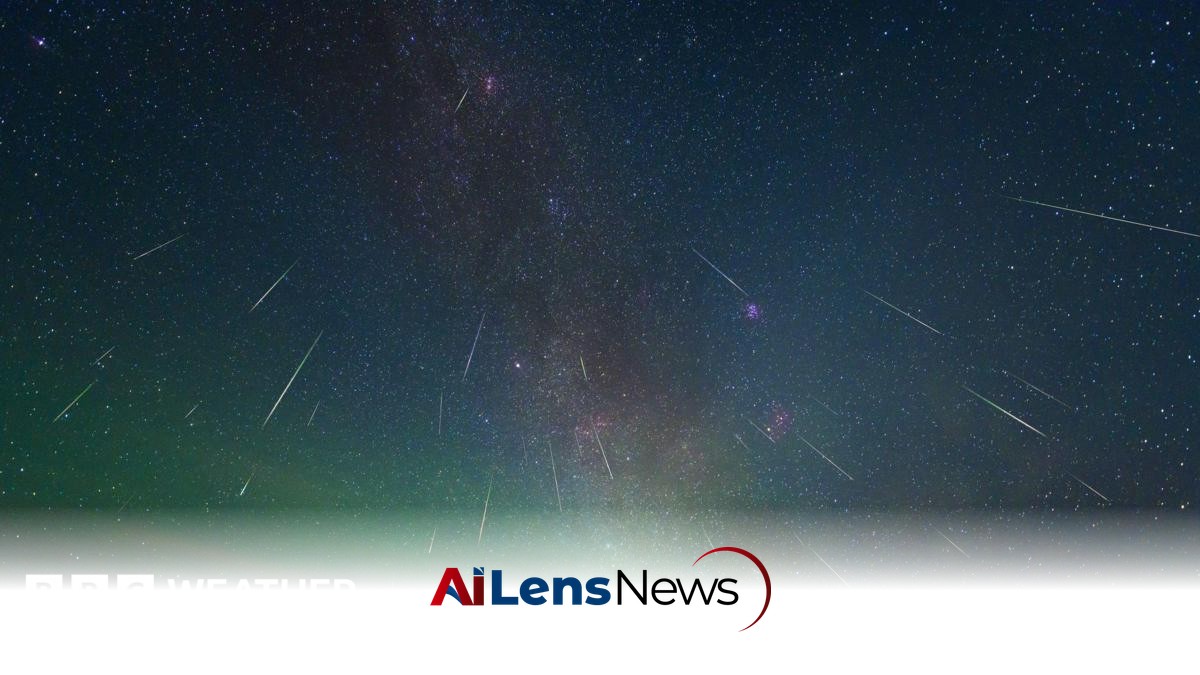


The Perseid meteor shower, one of the year's most spectacular celestial events, will peak from August 12-13, offering ideal viewing conditions.
New Delhi, India Jul 17, 2026 ALN: The Perseid meteor shower is set to light up the night sky over the next month, putting on a spectacular treat for skygazers.
Known as one of the brightest, fastest, and most active meteor showers of the year, it occurs when Earth passes through the debris of Comet 109P/Swift-Tuttle. This comet, which takes approximately 133 years to complete one orbit around the Sun, leaves behind a trail of dust and small particles. When Earth crosses this trail, the tiny pieces enter the atmosphere at high speeds, resulting in the dazzling display of meteors that we can observe from the ground.
The Perseid meteor shower runs from 17 July to 24 August, with the peak expected to occur overnight on the 12-13 August. During this peak, conditions will be particularly favorable for viewing, as it coincides with the new Moon. This means that the sky will be darker, allowing for better visibility of the meteors, provided the weather cooperates.
Meteor showers happen when dust from a passing comet or asteroid passes through the Earth's atmosphere. The tiny particles—roughly the size of a grain of sand—vaporize upon entering the atmosphere, creating visible streaks of light that we refer to as meteors. The Perseids are particularly well-known for their high activity level, with estimates suggesting that up to 150 meteors per hour can be visible during the peak. Additionally, the shower is famous for its bright "fireball" meteors, which are larger and more luminous than typical meteors.
To spot the meteors, skygazers should look for the point in the sky where they appear to originate, known as the radiant. For the Perseids, this radiant is located in the constellation of Perseus, which can be found in the northeastern sky during the peak viewing times. It is generally easiest to spot meteors in the northern hemisphere between midnight and an hour before sunrise, although this is contingent on local weather conditions and cloud cover.
Ideal conditions for viewing the Perseid meteor shower include dark, clear skies with a wide unobstructed view of the night sky. Notably, binoculars or telescopes are not necessary for meteor watching, as these tools can actually hinder the experience by limiting the field of view. The further away one is from light pollution—such as city lights—the better the chances of seeing the meteors. It is also advisable to allow your eyes to adjust to the dark for up to 15 minutes before attempting to view the shower, as this will enhance visibility.
The shower will begin this weekend, with the best viewing conditions anticipated inland and in the western parts of the UK. Here, the weather is expected to remain dry with only patchy cloud cover. However, a northerly wind is likely to bring more cloud from the North Sea across northern Scotland and towards the eastern coasts, which could reduce the chances of viewing the meteors in those areas.
On Saturday night, largely clear skies are expected for the first half of the night, although fog may form across northern and eastern Scotland. Some patchy fog is also predicted across the Midlands and southwestern England, along with low cloud cover for the eastern coasts. In contrast, other regions are expected to experience dry and clear conditions during peak viewing hours.
As for Sunday night, similar conditions are anticipated, with low cloud cover persisting across Scotland and Northern Ireland, while clearer skies are expected further south. For those who wish to check the specific conditions in their area, local weather services provide detailed forecasts accessible online or through mobile applications.
Meteor showers, particularly the Perseids, have held cultural significance for centuries. Historically, various civilizations have observed and recorded these celestial events, often associating them with omens or messages from the divine. For example, ancient cultures such as the Greeks and Romans viewed meteor showers as signs from the gods, linking them to significant events or changes in fortune. In modern times, the Perseids have become a popular event for both amateur astronomers and casual observers alike, often celebrated as a summer tradition. Many people take the opportunity to gather with friends and family to watch the meteors, sharing in the awe and wonder of the night sky.
Additionally, meteor showers serve as a reminder of the dynamic nature of our solar system. They provide a tangible connection to the cosmos, allowing individuals to reflect on the vastness of space and our place within it. The Perseids, in particular, are a reminder of the ongoing processes that shape our universe, as the debris from Comet Swift-Tuttle continues to interact with our planet. This interaction not only creates stunning visual displays but also provides scientists with valuable data about the composition and behavior of meteoroids.
The study of meteor showers like the Perseids also has implications for the field of astronomy and planetary . By analyzing the composition and behavior of meteors, scientists can gain insights into the materials that make up comets and asteroids, which are remnants from the early solar system. This research can help improve our understanding of the formation of planets and the history of our solar system. For instance, studying the chemical composition of meteors can reveal information about the conditions present in the early solar system, potentially shedding light on how Earth and other planets formed.
Furthermore, meteor showers can also provide opportunities for citizen , where amateur astronomers and enthusiasts contribute to data collection and observation. This collaborative approach can enhance scientific knowledge and foster a greater interest in astronomy among the general public. Citizen projects often involve tracking meteor activity, documenting fireball sightings, and even analyzing video footage of meteor showers, allowing everyday people to engage with scientific research in meaningful ways.
As the Perseid meteor shower approaches, it serves not only as a visual spectacle but also as a reminder of the interconnectedness of nature and . Whether through the lens of cultural significance or scientific inquiry, the event invites individuals to engage with the night sky and appreciate the wonders of the universe. It encourages a sense of curiosity and exploration, inspiring future generations to look up and ponder the mysteries of the cosmos.
In summary, the Perseid meteor shower is not only a breathtaking natural phenomenon but also a significant event in the realms of culture and . As we prepare to witness this year's display, it is an opportune moment to reflect on our relationship with the universe and the ongoing quest for knowledge that defines humanity. Whether you are a seasoned astronomer or someone looking to enjoy a night under the stars, the Perseids offer a unique opportunity to connect with the cosmos and experience the beauty of our solar system in action.
To learn more about the latest developments in Space & Astronomy, stay updated with our exclusive reports and analyses on AiLensNews.

