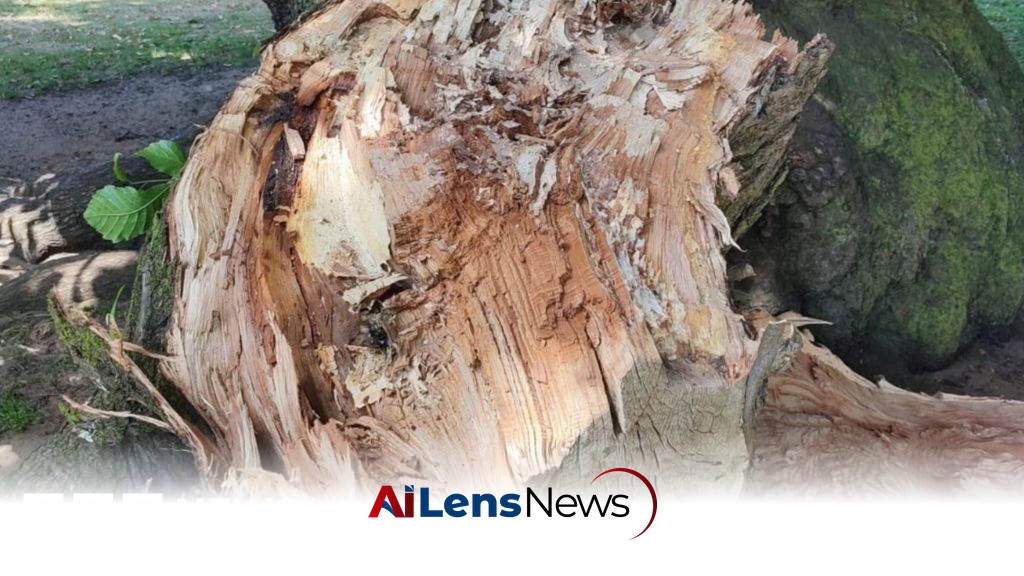


As heatwaves become more frequent, understanding their effects on tree stability is crucial for urban safety and al health.
New Delhi, India Jul 29, 2026 ALN: Heatwaves, characterized by prolonged periods of excessively high temperatures, can have significant impacts on various aspects of the , including the stability of trees. With climate change leading to more frequent and intense heatwaves, it is essential to explore how these extreme weather events can affect tree health and stability. The implications of tree instability are far-reaching, influencing not only the ecological balance but also urban infrastructure and public safety.
Trees, like all living organisms, have physiological limits that dictate their ability to withstand various stressors. During a heatwave, trees experience increased transpiration rates, which can lead to water stress. Transpiration is the process through which trees release water vapor into the atmosphere, primarily through small openings in their leaves known as stomata. When temperatures soar, trees may lose water faster than they can absorb it from the soil, leading to a deficit that can compromise their health.
This water stress can weaken the structural integrity of trees, making them more susceptible to falling. The physiological response of trees to heat is complex; it involves not just water loss but also changes in metabolic processes, nutrient uptake, and overall growth patterns. For instance, prolonged exposure to high temperatures can lead to leaf scorch, reduced photosynthesis, and ultimately, a decline in tree vigor.
Recent studies have shown that during heatwaves, there is an observable increase in tree falls, particularly in urban areas where trees are often planted in less-than-ideal conditions. For instance, cities with high temperatures and low soil moisture levels have reported a rise in tree-related incidents, posing risks to public safety. In urban settings, trees are often surrounded by impervious surfaces such as concrete and asphalt, which can exacerbate heat retention and limit water infiltration into the soil.
One notable case occurred in a major metropolitan area where a series of heatwaves coincided with a significant increase in tree failures. Reports indicated that several mature trees, which had previously been considered stable, fell during extreme heat events, leading to property damage and injuries. This highlights the need for urban planners and forestry managers to reassess tree planting strategies and maintenance practices in light of changing climate conditions.
To mitigate the risks associated with heatwaves and tree stability, several strategies can be employed:
As climate change continues to influence weather patterns, understanding the relationship between heatwaves and tree stability is vital. The increasing frequency and intensity of heatwaves necessitate a proactive approach to urban forestry management. By recognizing the risks and implementing preventative measures, we can better protect both urban areas and the natural ecosystems that support them. Furthermore, fostering a greater understanding of tree physiology and the various factors that contribute to tree health will empower communities to make informed decisions regarding tree care and management.
In summary, addressing the impacts of heatwaves on tree stability is not just a matter of al concern; it is also integral to safeguarding public safety and maintaining the ecological health of urban landscapes. As we move forward in an era marked by climate uncertainty, the resilience of our urban forests will play a crucial role in our ability to adapt to changing conditions.
Additionally, the effects of heatwaves on tree stability can have cascading impacts on local ecosystems. Trees serve as critical habitats for various wildlife species, and their instability can disrupt these ecological relationships. Birds, insects, and other organisms rely on trees for food, shelter, and nesting sites. When trees fall or become weakened, it can lead to a decline in biodiversity, which further affects ecosystem health and resilience.
Moreover, trees play a significant role in urban areas by providing shade, reducing heat island effects, and improving air quality. The loss of trees due to heatwave-induced instability can exacerbate urban heat conditions, leading to increased energy consumption for cooling and heightened health risks for residents. In this context, the management of tree stability becomes not only an ecological issue but also a matter of public health and urban planning.
To address these interconnected challenges, interdisciplinary approaches involving ecologists, urban planners, and community stakeholders are essential. Collaborative efforts can lead to the development of comprehensive strategies that prioritize tree health and stability in the face of climate change. This includes integrating green infrastructure into urban designs, such as planting trees in more favorable conditions, creating green spaces, and ensuring adequate soil moisture retention.
As we continue to navigate the implications of climate change, it is crucial to recognize that the stability of our trees is a reflection of the health of our . By investing in research, education, and sustainable practices, we can build resilience in our urban forests and ensure that they continue to thrive amidst the challenges posed by heatwaves and other climate-related stressors.
To learn more about the latest developments in Environment & Climate, stay updated with our exclusive reports and analyses on AiLensNews.

