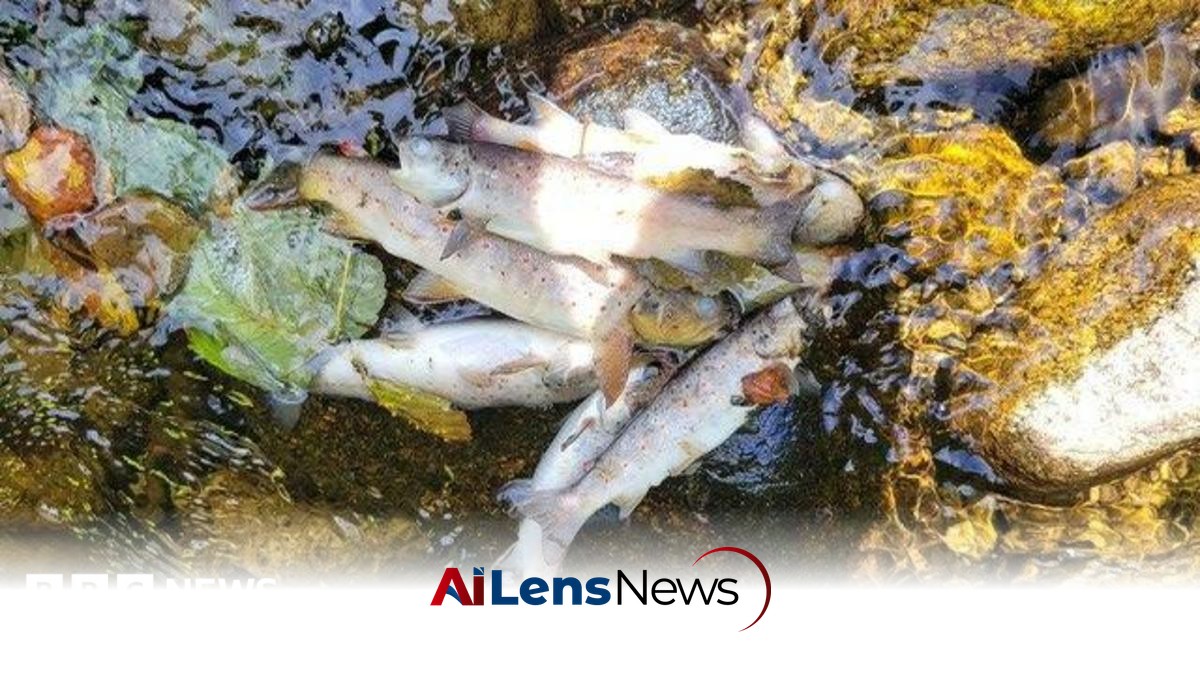



A significant fish kill in the Kilkeel River has raised alarms among local anglers and alists, with generations of fish reportedly wiped out due to pollution.
New Delhi, India Aug 12, 2026 ALN: An angling club has reported a catastrophic fish kill in a County Down river, describing it as the "worst event" they have ever witnessed.
The Department of Agriculture, and Rural Affairs (DAERA) confirmed that 5km of the Kilkeel River in the Mournes area was affected, and they are currently investigating the incident that occurred last week. This river, known for its biodiversity and importance to local ecosystems, is a critical habitat for various fish species, including trout, eels, and lamprey, all of which were confirmed dead in the aftermath of this incident.
Kilkeel Angling Club expressed that the scale of the destruction is "devastating." They noted that "several generations of juvenile fish have been wiped out," which could have severe consequences for the river's salmon and sea trout populations for many years. The loss of juvenile fish is particularly concerning as it disrupts the natural reproductive cycles of these species, potentially leading to long-term declines in fish populations.
"The Kilkeel River is an important local watercourse and wildlife habitat. Our club and its members have invested significant time and voluntary effort in protecting and improving it, making the extent of this damage particularly difficult to comprehend," the club stated. The commitment of the Kilkeel Angling Club to the conservation of the river highlights the community's dedication to preserving local natural resources. This commitment often involves habitat restoration projects, pollution monitoring, and educational initiatives aimed at raising awareness about the importance of aquatic ecosystems.
DAERA mentioned that while "no active discharge was found," they are pursuing a definite line of inquiry regarding the source of the pollution. The investigation is crucial, as identifying the cause of the fish kill could help prevent similar incidents in the future. The exact number of fish killed is still being assessed, but early estimates indicate that the loss could be in the thousands, which would represent a significant blow to the local fish populations.
David Crozier, a committee member at Kilkeel Angling Club, described the scene as a "devastation" when the dead fish were discovered, labeling the incident as "heartbreaking." He remarked, "It's the worst pollution incident I remember on this river," and emphasized that it would take "years, without question," to restore the river to its previous condition. The long-term ecological impacts of such a significant fish kill can be profound, affecting not only the fish populations but also the entire food web that relies on these species.
"It's the biggest fish kill any of us remember in south Down for decades," Crozier added. This statement underscores the rarity and severity of the event, drawing attention to the need for heightened al protections and monitoring of waterways in the region. The implications of this incident extend beyond the immediate loss of fish; it raises questions about water quality, pollution control, and the effectiveness of current al regulations.
The incident has raised significant alarm among local al groups and residents, prompting calls for a thorough investigation to prevent future occurrences. Community members have expressed concerns about the potential for similar events, particularly in light of increasing agricultural runoff, industrial discharges, and climate change impacts that can exacerbate pollution levels in rivers. The Kilkeel River, like many waterways, is vulnerable to these pressures, and the recent fish kill serves as a stark reminder of the fragility of aquatic ecosystems.
In response to the incident, various stakeholders, including local government officials, al organizations, and the angling community, may need to collaborate on a comprehensive management plan for the Kilkeel River. Such a plan could involve stricter regulations on agricultural practices, enhanced monitoring of water quality, and public education campaigns aimed at reducing pollution. Moreover, engaging local communities in conservation efforts can foster a sense of stewardship and responsibility towards protecting their natural resources.
As the investigation continues, the Kilkeel Angling Club and other concerned parties will likely advocate for increased transparency regarding the findings and any measures taken to address the pollution. The outcome of this incident may also influence future policies related to water management and al protection in County Down and beyond. The health of the Kilkeel River is not only vital for local wildlife but also for the community that relies on it for recreation, tourism, and cultural heritage.
In conclusion, the devastating fish kill in the Kilkeel River has raised urgent concerns about al health and sustainability in the region. As investigations proceed, the focus will undoubtedly remain on understanding the causes of this tragic event and implementing strategies to safeguard the river for future generations. The incident serves as a critical reminder of the interconnectedness of ecosystems and the need for vigilant stewardship of natural resources.
To learn more about the latest developments in Environment & Climate, stay updated with our exclusive reports and analyses on AILensNews.

