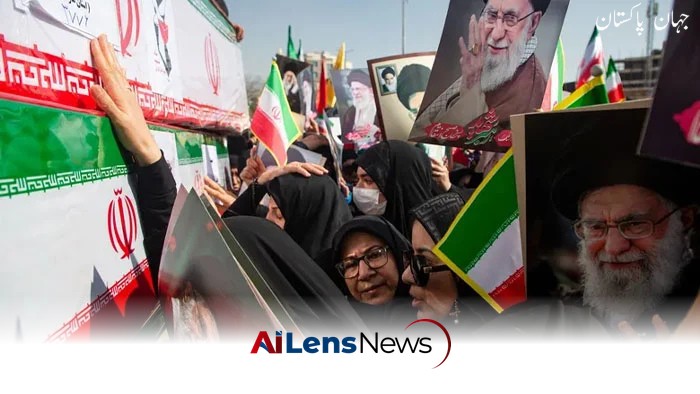


A viral video appeals for donations to construct the shrine of Iran's late Supreme Leader Ayatollah Ali Khamenei, with no burial site decided yet.
Islamabad, Pakistan Apr 22, 2026 ALN: The burial site of Iran's late Supreme Leader Ayatollah Ali Khamenei has yet to be determined, but a call for donations for the construction of his shrine is currently circulating. A video related to this appeal has gone viral on social media, prompting discussions and reactions from various segments of the Iranian population.
According to Iranian media, the video shows an individual detailing a notice associated with the Imam Khomeini Relief Committee. This notice requests financial contributions for the construction of a shrine dedicated to Ayatollah Khamenei, who passed away recently, leaving behind a complex legacy in Iranian politics and society. The request comes at a time when the nation is grappling with significant issues, including economic hardship, which adds layers of complexity to the public's response.
The statement presented in the video urges citizens to provide religious payments, including khums, zakat, and other charitable donations, for this project. Khums is a religious tax that is traditionally paid by Shia Muslims, amounting to 20% of surplus income, while zakat is a form of almsgiving treated in Islam as a tax, which, along with khums, is one of the Five Pillars of Islam. The appeal to these forms of financial support indicates the intertwining of religious duty and civic responsibility in the Iranian context. This intertwining reflects a broader cultural framework where religious obligations often intersect with national identity and loyalty to leadership.
As of now, there has been no official confirmation or denial regarding the notice. This silence from authorities raises questions about the authenticity of the appeal and the potential implications for the Iranian government and its institutions. The lack of clarity could lead to speculation regarding the future of Khamenei's legacy and how it will be commemorated by the state. It also raises concerns about the transparency and accountability of such fundraising efforts, especially in a political environment where trust in government institutions is often low.
The call for donations comes at a time when Iran is grappling with significant economic challenges, including inflation, sanctions, and a declining currency. The public's reaction to such appeals can be unpredictable, especially in a climate where many citizens are struggling to make ends meet. The request for donations for a shrine could be interpreted in various ways, from a sign of loyalty to the late leader to a potential source of contention among those who feel that such funds could be better allocated to address pressing social needs. This situation highlights the tension between public sentiment and governmental initiatives, particularly in times of crisis.
Ayatollah Ali Khamenei served as the Supreme Leader of Iran from 1989 until his death, following the tenure of Ayatollah Ruhollah Khomeini, the founder of the Islamic Republic. Khamenei's leadership was marked by significant events, including the Iran-Iraq War, the nuclear negotiations with world powers, and widespread protests against the government. His policies and decisions have left a lasting impact on Iranian society and its political landscape, making the construction of a shrine a matter of national interest. The historical significance of Khamenei's leadership cannot be understated, as it shaped the trajectory of Iran's domestic and foreign policies over several decades.
The concept of a shrine in Iranian culture holds profound significance. Shrines are not merely places of burial; they serve as sites of pilgrimage, reflection, and collective memory for the followers of Shia Islam. They often symbolize the enduring legacy of influential figures and are places where individuals come to pay their respects, seek blessings, and connect with their faith. The potential establishment of a shrine for Khamenei could thus be seen as an effort to solidify his legacy and influence within the context of Shia Islam. The cultural importance of such sites extends beyond individual reverence, often becoming focal points for community gatherings and national identity.
Historically, the construction of shrines in Iran has been a contentious issue, particularly when it involves significant financial contributions from the public. Previous appeals for donations for religious or political causes have often sparked debates about the ethical implications of soliciting funds in times of economic hardship. Critics may argue that the focus on constructing a shrine diverts attention and resources away from pressing social issues, including poverty, healthcare, and education. This ongoing dialogue reflects broader societal concerns about the prioritization of state-sponsored religious projects over immediate humanitarian needs.
Moreover, the timing of this appeal is critical. With the recent passing of Khamenei, the Iranian government may be seeking to consolidate power and maintain stability during a transitional period. The construction of a shrine could serve as a unifying symbol for the regime, reinforcing the narrative of continuity and loyalty to the Islamic Republic's founding principles. However, it may also provoke dissent among those who question the government's priorities and its use of public funds. The juxtaposition of a lavish shrine against the backdrop of economic struggle could lead to increased scrutiny of government spending and priorities.
The public's response to the donation request may vary widely, reflecting the diverse opinions within Iranian society. Some individuals may feel a sense of obligation to contribute, viewing it as part of their religious duty, while others may express skepticism or outright refusal, particularly if they feel that their own economic struggles are being overlooked. This divergence in responses could lead to broader discussions about the relationship between religion, politics, and personal financial responsibility in Iran. As society grapples with these issues, the responses to the shrine appeal may serve as a barometer for public sentiment regarding the government and its policies.
In conclusion, the call for donations for the construction of a shrine dedicated to Ayatollah Khamenei reflects not only the complexities of mourning a political leader but also the intricate dynamics of Iranian society. As the nation navigates its future without Khamenei's leadership, the decisions made regarding his legacy will likely have far-reaching implications for the political landscape, societal values, and the relationship between the state and its citizens. The ongoing discussions surrounding this appeal will undoubtedly shape the narrative of Khamenei's legacy and the role of religious and political institutions in Iran for years to come. The implications of this appeal extend beyond the immediate financial considerations, touching upon the very fabric of Iranian identity and the interplay between faith and governance.
To learn more about the latest developments in Islam, stay updated with our exclusive reports and analyses on AiLensNews.

