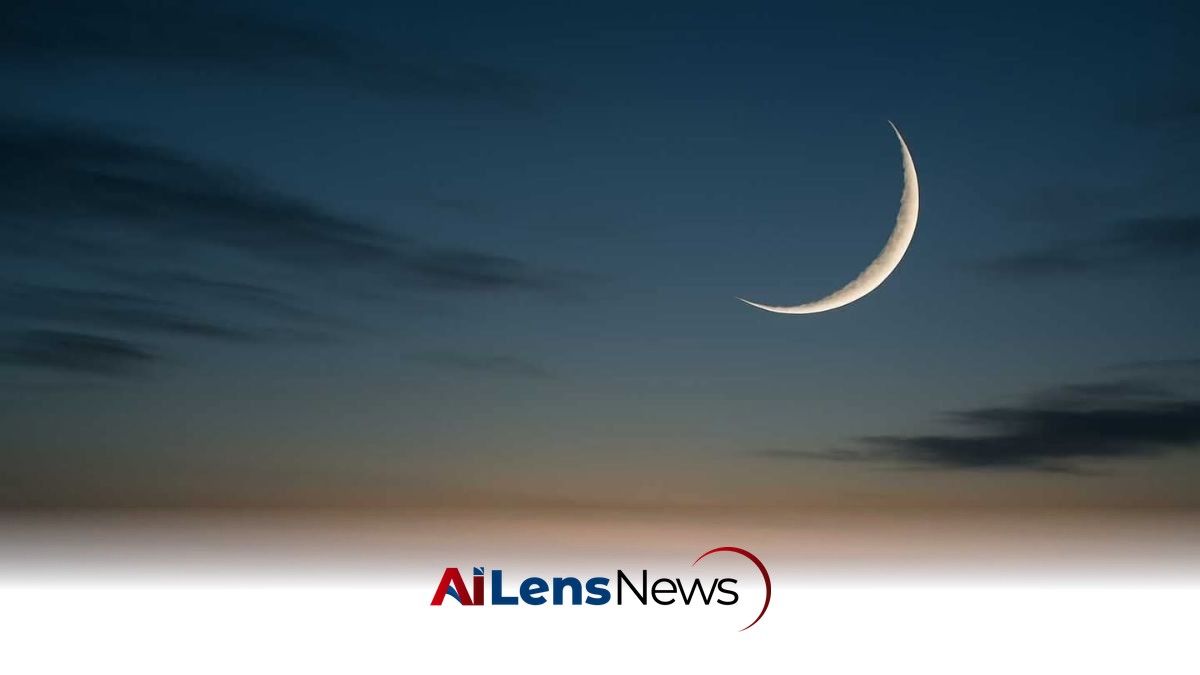


Qatar Calendar House has confirmed that Wednesday, July 15, 2026, marks the beginning of Safar 1448 AH, based on precise astronomical calculations.
Doha, Qatar Jul 14, 2026 ALN: Qatar Calendar House has announced that Wednesday, 15 July 2026, will mark the first day of Safar in the year 1448 AH (Anno Hegirae), according to astronomical calculations performed by its specialists. This announcement is part of a broader tradition within Islamic communities to rely on lunar observations and calculations to determine the beginning of each month in the Islamic calendar. The Islamic calendar is a lunar calendar, which means it is based on the phases of the moon, and each month begins with the sighting of the new crescent moon.
Dr. Faisal Al Ansari, the Executive Director of the Qatar Calendar House, provided insights into the astronomical phenomena associated with the start of Safar. He indicated that the crescent moon marking the beginning of this month is expected to be born on Tuesday, 14 July 2026, at 12:44 PM Doha time (9:44 AM GMT). This precise timing is crucial for Islamic communities, as the sighting of the crescent moon is traditionally used to signify the start of a new month. The timing of the moon’s birth and its visibility can vary significantly based on geographical location, making accurate astronomical calculations essential for the proper observance of Islamic months.
In his statement, Dr. Al Ansari elaborated that the crescent moon will set 17 minutes after sunset on Tuesday in Qatar. The visibility of the crescent moon is expected to improve as one moves further west, which is a common phenomenon due to the curvature of the Earth and the timing of the sunset in different geographical locations. This aspect of lunar visibility is significant for Muslim communities worldwide, as it plays a role in determining the start of religious observances and the timing of prayers. The reliance on lunar sightings not only connects Muslims to their religious heritage but also emphasizes the importance of community and shared experiences during these significant moments.
Safar is recognized as the second month in the Islamic lunar calendar, which consists of 12 months in a year of 354 or 355 days. It is anticipated that the month of Safar will run from 15 July to approximately 13 August 2026, leading into Rabi al Awwal, the third month of the Islamic calendar. The Islamic calendar is about 10 to 12 days shorter than the Gregorian calendar, which is why the dates of Islamic months shift annually when compared to the Gregorian dates. This shift can sometimes lead to the observance of important Islamic events occurring in different seasons, which can affect how communities celebrate and engage with their faith throughout the year.
The significance of Safar extends beyond mere calendrical calculations. According to Islamic historical sources, Safar is notable as the month in which the Prophet Muhammad’s (PBUH) Hijrah, or migration, from Makkah to Madinah began. This event is pivotal in Islamic history, marking the establishment of the first Muslim community in Madinah and the beginning of the Islamic calendar itself. The Hijrah is not only a historical event but also a profound spiritual journey that symbolizes the transition from oppression to freedom and community building in Islam. It is during this month that Muslims reflect on the sacrifices made by the early followers of Muhammad and the principles of perseverance and resilience that are central to the Islamic faith.
In addition to its historical importance, Safar has also been surrounded by various cultural beliefs. Islamic teachings explicitly reject any pre-Islamic superstitions that label Safar as an unlucky month. The Prophet Muhammad (PBUH) is reported to have stated, ‘There is no bad omen in Safar.’ This assertion is significant in dispelling myths and promoting a message of hope and positivity within the Muslim community. The rejection of such superstitions underscores the Islamic perspective that fortune and misfortune are not determined by the calendar but by individual actions and faith. This belief encourages Muslims to focus on their deeds and intentions rather than attributing their circumstances to the month itself.
The Qatar Calendar House, which plays a vital role in the Islamic community in Qatar, utilizes the movement of the moon around the Earth to determine the beginning and end of Islamic months. This process is distinct from the Gregorian calendar, which is based on the Earth's movement around the sun. The reliance on lunar cycles is a fundamental aspect of Islamic tradition, influencing various religious practices, including the timing of Ramadan, Hajj, and other significant Islamic events. The meticulous calculations carried out by the Qatar Calendar House are not only important for maintaining the accuracy of the Islamic calendar but also serve as a reminder of the rich astronomical knowledge that has been developed within the Islamic world over centuries.
As the announcement of the first day of Safar approaches, it serves as a reminder of the importance of lunar observations in Islamic life. For many Muslims, the sighting of the crescent moon is not just a matter of religious observance; it is also a time for community gatherings, family celebrations, and reflections on spiritual growth. The month of Safar may also prompt discussions about the historical significance of the Hijrah and its implications for contemporary Muslim identity. The observance of Safar can also encourage Muslims to engage in charity and community service, reflecting the values of compassion and solidarity that are central to the faith.
Moreover, the announcement by the Qatar Calendar House is part of a larger effort to enhance the public's understanding of the Islamic calendar and its relevance in modern society. By providing accurate astronomical data and fostering awareness of lunar cycles, institutions like the Qatar Calendar House contribute to the preservation of Islamic heritage and the promotion of religious observances in alignment with traditional practices. This educational aspect is crucial in ensuring that future generations understand the significance of their religious calendar and the historical events that shape their identity as Muslims.
In conclusion, the announcement regarding the commencement of Safar 1448 AH is not merely a technical declaration; it encapsulates a rich tapestry of historical, spiritual, and cultural significance. As the Islamic community prepares to observe this month, it reflects on its profound historical roots while navigating the contemporary landscape of faith and identity. The interplay between astronomical calculations and religious observance continues to be a vital aspect of Islamic life, reinforcing the importance of tradition in an ever-evolving world. The observance of Safar serves as a reminder of the enduring values of faith, community, and resilience that define the Islamic experience, encouraging Muslims to draw lessons from their history while actively engaging with the present.
To learn more about the latest developments in Islam, stay updated with our exclusive reports and analyses on AiLensNews.

