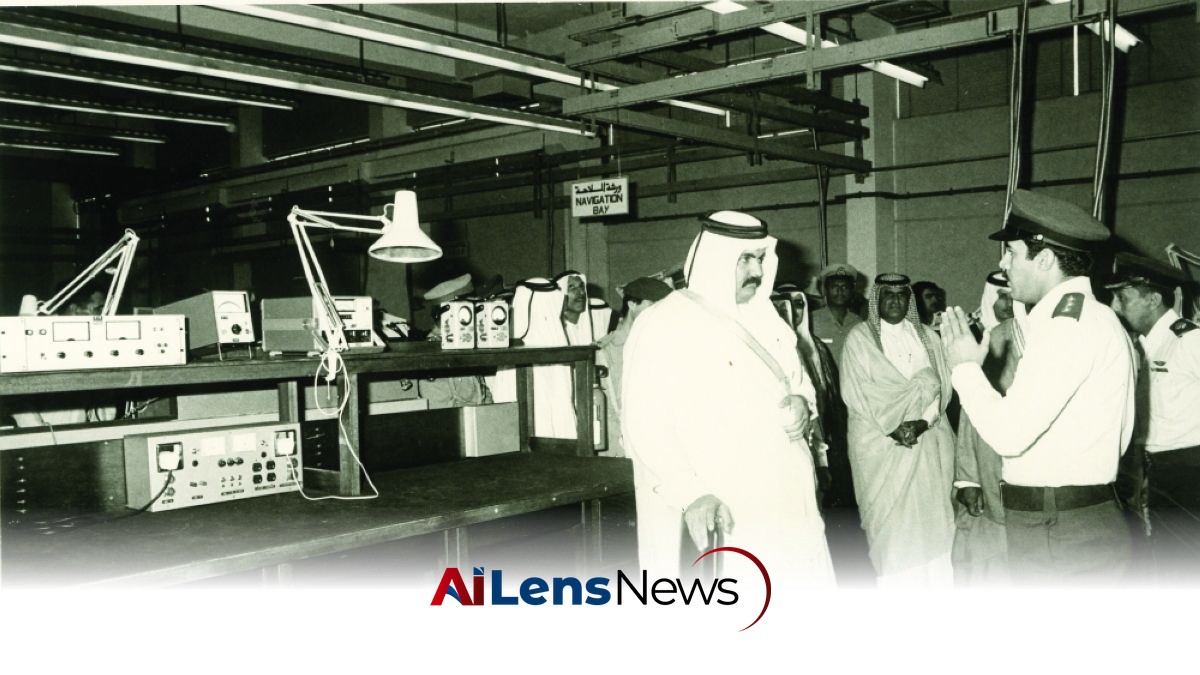


A look back at the impactful legacy of the late Father Amir Sheikh Hamad bin Khalifa Al Thani, highlighting his contributions to Qatar's development.
Doha, Qatar Jul 15, 2026 ALN: Historic moments from the life of HH the late Father Amir Sheikh Hamad bin Khalifa Al Thani—may Allah have mercy on him—recall a legacy of visionary leadership, nation-building, and devoted service to Qatar. Sheikh Hamad, who served as the Emir of Qatar from 1995 until his abdication in 2013, was instrumental in transforming the nation into a modern state. His reign was marked by significant economic growth, infrastructural development, and a commitment to social welfare.
Sheikh Hamad bin Khalifa Al Thani was born on January 1, 1952, into the ruling family of Qatar. He was the fourth son of Sheikh Khalifa bin Hamad Al Thani, the previous Emir, and was educated in Qatar and later in the United States. His early exposure to both traditional Qatari culture and Western education would shape his future leadership style, which balanced modernization with respect for heritage.
Under Sheikh Hamad's leadership, Qatar witnessed a remarkable transformation in various sectors, including education, healthcare, and energy. His vision for a diversified economy led to the establishment of numerous initiatives aimed at reducing the country's reliance on oil and gas revenues. This was particularly significant given the global fluctuations in oil prices and the need for sustainable economic development. Sheikh Hamad's government invested heavily in infrastructure projects, which included the construction of roads, airports, and public transportation systems, laying the groundwork for a robust economy.
One of the key aspects of Sheikh Hamad's legacy is his emphasis on education and knowledge. He championed the establishment of educational institutions that have become centers of excellence, attracting students and scholars from around the world. Notable initiatives include the Qatar Foundation, which was founded in 1995, and the establishment of Education City, a sprawling campus that houses branches of several prestigious universities from the United States and other countries. This focus on education was not only about building institutions but also about fostering a culture of learning and innovation, which would empower future generations of Qataris.
The healthcare sector also experienced significant improvements during Sheikh Hamad's reign. The government implemented comprehensive healthcare reforms, leading to the establishment of world-class medical facilities and services. The Hamad Medical Corporation, which oversees public healthcare in Qatar, expanded its services and improved access to healthcare for all citizens and residents. This commitment to health and well-being reflects Sheikh Hamad's broader vision of a prosperous and healthy society.
Additionally, Sheikh Hamad was a strong advocate for cultural preservation and promotion. His efforts to support the arts and heritage have left an indelible mark on Qatar's cultural landscape. The establishment of institutions such as the Museum of Islamic Art and the Qatar National Museum showcases the rich history and culture of the region while promoting contemporary artistic expression. Sheikh Hamad understood the importance of culture in fostering national identity and unity, and he actively encouraged initiatives that celebrated Qatar's heritage.
His diplomatic initiatives also played a crucial role in positioning Qatar as a key player on the global stage. Sheikh Hamad's commitment to fostering international relations and promoting peace and stability in the region is widely recognized. Under his leadership, Qatar became known for its mediating role in various regional conflicts and its support for humanitarian efforts worldwide. Sheikh Hamad's foreign policy was characterized by a pragmatic approach, balancing relations with both Western powers and neighboring Arab states. This strategy not only enhanced Qatar's international standing but also facilitated economic partnerships that further contributed to the nation's development.
In 2011, during the Arab Spring, Sheikh Hamad's government took a bold stance in support of democratic movements in the region. This decision was emblematic of his belief in the importance of reform and progress. However, it also highlighted the complexities of regional politics and the challenges that come with navigating such a volatile landscape. Sheikh Hamad's ability to adapt to changing circumstances while maintaining Qatar's interests was a testament to his diplomatic acumen.
As we reflect on the life of Sheikh Hamad bin Khalifa Al Thani, it is clear that his contributions have shaped the trajectory of Qatar and will continue to influence future generations. His legacy of leadership, vision, and service remains a guiding light for the nation. The foundations he laid during his reign have positioned Qatar as a modern state with a vibrant economy and a commitment to social welfare.
In the years following his abdication, Sheikh Hamad's influence continued to be felt, particularly through his son, Sheikh Tamim bin Hamad Al Thani, who succeeded him. Sheikh Tamim has built upon his father's legacy while also introducing new initiatives that reflect the evolving needs of Qatar's society. The continuity of vision between father and son underscores the importance of stable leadership in guiding the nation through both challenges and opportunities.
Moreover, Sheikh Hamad's emphasis on education and cultural development has inspired a new generation of leaders and thinkers in Qatar. The investments made in human capital are expected to yield long-term benefits, ensuring that Qatar remains competitive in an increasingly globalized world. As the nation continues to diversify its economy and invest in innovation, the principles established during Sheikh Hamad's reign will undoubtedly play a crucial role in shaping its future.
In conclusion, the legacy of Sheikh Hamad bin Khalifa Al Thani is one of profound impact and lasting significance. His visionary leadership not only transformed Qatar but also set a precedent for responsible governance and social responsibility in the region. As Qatar moves forward, the values of progress, education, and cultural appreciation that Sheikh Hamad championed will continue to guide the nation towards a prosperous and inclusive future.
To learn more about the latest developments in Islam, stay updated with our exclusive reports and analyses on AiLensNews.

