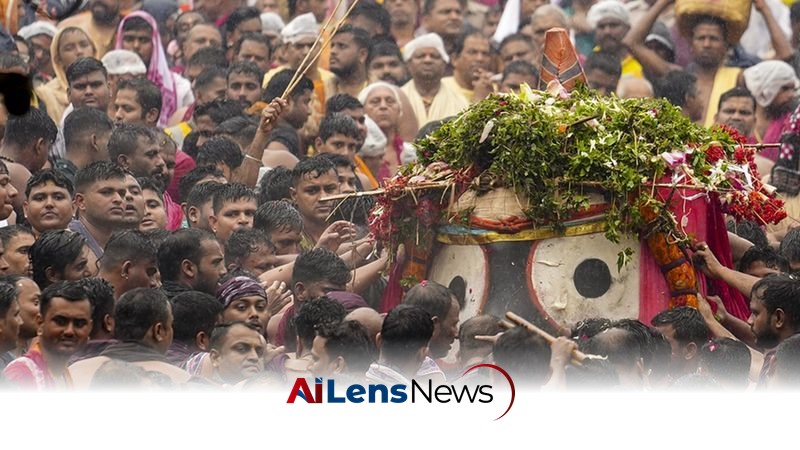


During the Rath Yatra in Puri, over 50 devotees faced breathing difficulties due to the overwhelming crowd, prompting swift action from security and rescue teams.
Leh, India Jul 16, 2026 ALN: The annual Rath Yatra in Puri, a significant event for devotees of Lord Jagannath, witnessed a chaotic scene this year as over 50 attendees experienced breathing difficulties amidst the massive crowd. The event, which attracts thousands of pilgrims, was marked by an overwhelming turnout, leading to concerns about crowd management and safety. The Rath Yatra, also known as the Chariot Festival, is celebrated every year in the coastal town of Puri, Odisha, and is one of the most important festivals in the Hindu calendar, drawing devotees from all over India and beyond.
As the chariots of Lord Jagannath, Balabhadra, and Subhadra made their way through the streets, the sheer number of devotees created a tense atmosphere. Reports indicate that many individuals began to feel faint and struggled to breathe, prompting immediate intervention from security personnel and emergency rescue teams. The festival typically sees a massive influx of pilgrims, but this year’s attendance reportedly exceeded expectations, leading to a situation that many found overwhelming.
In response to the distress calls, security forces, trained for such emergencies, quickly mobilized to assist those affected. Medical teams were on standby, providing oxygen and first aid to individuals who showed signs of distress. Eyewitnesses reported that the situation was handled efficiently, with many devotees receiving the necessary care in a timely manner. The rapid response of medical personnel was crucial in preventing more serious health issues among the affected individuals, showcasing the importance of preparedness in large gatherings.
Emergency services utilized portable oxygen tanks and other medical equipment to address the immediate needs of those experiencing breathing issues. This incident has sparked discussions about the adequacy of medical facilities available during such large-scale events. Local health authorities have been urged to consider increasing the number of medical personnel and resources available during future festivals to better address potential emergencies.
This year's Rath Yatra highlighted ongoing challenges related to crowd management during large religious gatherings. Authorities had implemented various measures to ensure safety, including designated pathways and crowd control barriers. However, the unexpected surge in attendance led to difficulties in maintaining order. The intricate logistics of managing a crowd of thousands are complex, especially in a festival as significant as the Rath Yatra, where emotions run high and the fervor of devotion can lead to spontaneous gatherings.
The local administration had prepared for a large turnout, but the reality of the situation often exceeds estimates. Local officials have stated that they will review the crowd management strategies for future events to prevent similar incidents. This could involve enhanced communication strategies, better crowd flow designs, and possibly limiting the number of attendees to ensure safety. The safety of devotees remains a top priority, and lessons learned from this year's experience will inform improvements for subsequent Rath Yatra celebrations.
The Rath Yatra is not only a religious event but also a cultural spectacle that draws visitors from across the globe. It symbolizes the annual journey of the deities from the Jagannath Temple to the Gundicha Temple, allowing devotees to participate in a unique spiritual experience. The festival is rich in tradition, with rituals that have been practiced for centuries, including the pulling of the chariots by devotees, which is considered a pious act.
Despite the unfortunate incidents, the devotion and enthusiasm of the participants were evident throughout the day. Many devotees expressed their unwavering faith and commitment to the rituals, underscoring the event's importance in their spiritual lives. The Rath Yatra serves as a unifying force for many Hindus, transcending geographical and cultural boundaries. It is a time for renewal of faith, community bonding, and cultural expression.
The festival also has significant economic implications for the local community. The influx of pilgrims boosts local businesses, including hotels, restaurants, and shops selling religious items. However, this economic benefit must be balanced with the need for safety and order during the event. The local government and organizers are faced with the challenge of ensuring that the festival remains accessible and safe for everyone while also preserving the cultural and spiritual essence of the celebration.
The Rath Yatra has a rich history that dates back centuries, with its origins rooted in the traditions of the Jagannath Temple in Puri. The temple itself is one of the four sacred pilgrimage sites in Hinduism, known as the Char Dham. The festival marks the annual return of the deities to their garden palace, the Gundicha Temple, and is celebrated with much fervor and enthusiasm. The chariots, made of wood and decorated elaborately, play a significant role in the festival, and pulling them is seen as an act of devotion.
Over the years, the Rath Yatra has evolved, incorporating various cultural elements and attracting a diverse audience. It has become a symbol of communal harmony and religious fervor, drawing not only Hindus but also tourists and scholars from around the world who come to witness the vibrant display of faith and tradition.
The events of this year's Rath Yatra serve as a crucial reminder of the need for improved planning and crowd management strategies for future celebrations. As the festival continues to grow in popularity, the local administration must adapt to the increasing number of attendees while ensuring that safety protocols are strictly followed. This may involve investing in better infrastructure, such as wider pathways, more medical facilities, and enhanced communication systems to keep devotees informed about safety measures.
Moreover, the local government could consider implementing a registration system for attendees to better gauge the expected turnout and manage the flow of pilgrims more effectively. Such measures could help mitigate the risks associated with overcrowding and ensure that devotees can participate in the festivities without compromising their safety.
While the Rath Yatra remains a cherished tradition, the events of this year serve as a reminder of the need for effective crowd management strategies to ensure the safety and well-being of all participants. As preparations begin for next year's celebration, stakeholders are urged to prioritize safety measures to enhance the experience for devotees. This could include better crowd control, increased medical support, and improved communication regarding safety protocols to ensure that the festival can be enjoyed without incident.
The Rath Yatra is a vibrant expression of faith and community, and with the right measures in place, it can continue to be a safe and joyous occasion for devotees. The lessons learned from this year’s events will be crucial in shaping future celebrations, ensuring that they honor the rich traditions of the past while adapting to the realities of modern-day challenges.
To learn more about the latest developments in Religious Events, stay updated with our exclusive reports and analyses on AiLensNews.

