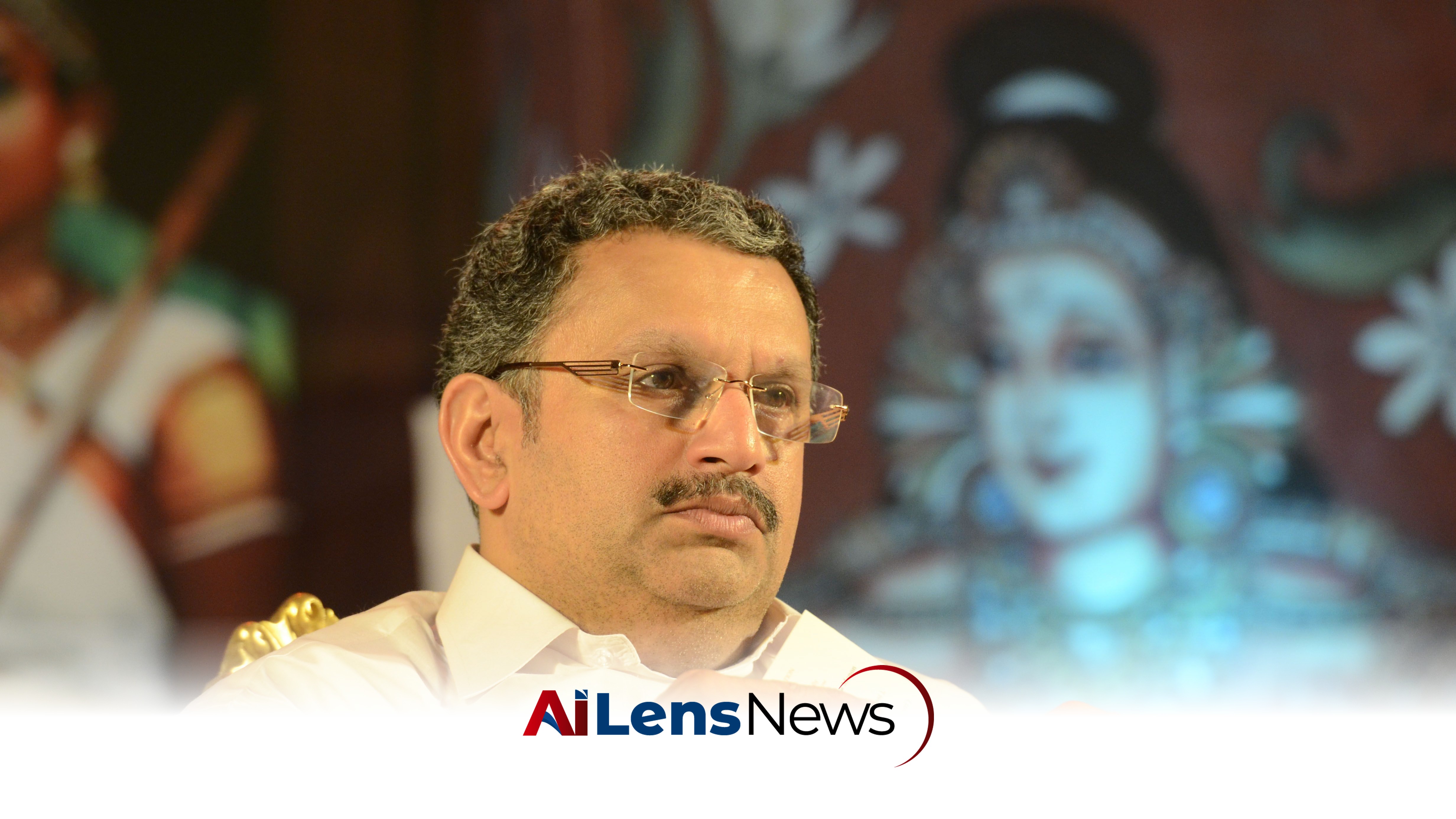


K. Muraleedharan emphasizes the need for government autonomy in temple affairs, citing judicial delays in investigations and administrative processes.
New Delhi, India Jul 13, 2026 ALN: Kozhikode: Kerala Devaswom and Health Minister K. Muraleedharan recently articulated the state government's position regarding the administration of temples in Kerala, emphasizing the need for increased autonomy from judicial oversight. His statements reflect a broader ongoing debate about the balance of power between the state and the judiciary, especially in matters related to religious institutions.
The call for reduced judicial oversight is particularly relevant in the context of the Kerala government's management of temples, which are often governed by a complex interplay of laws, traditions, and court rulings. Muraleedharan's remarks come at a time when the judiciary's role in temple affairs has been under scrutiny, with many arguing that excessive judicial intervention can hinder the effective administration of these institutions.
During a press interaction, Muraleedharan stated, "The government is not here to clash with the court. But at the same time, the rights of the government must be protected." This statement underscores the government's intent to assert its authority in temple management while maintaining a respectful distance from the judiciary. His comments suggest a desire for a collaborative relationship rather than an adversarial one, indicating that the government seeks to define its role more clearly in the administration of temples.
One of the specific issues that Muraleedharan raised was the ongoing investigation into the Sabarimala gold theft case. The case has garnered significant media attention and public interest, particularly in light of its implications for temple security and management. The Kerala High Court has assigned the investigation to a Special Investigation Team (SIT), which has yet to file a charge sheet. Muraleedharan expressed frustration over this delay, stating, "The government is currently unable to adopt any means to uncover this gold theft incident in Sabarimala." He highlighted the urgency of the matter, noting that the longer the delay in filing charges, the greater the risk that evidence could be destroyed or that the accused could evade justice.
The phrase "Who stole the gold?" became a rallying cry during the last Assembly election campaign, reflecting the public's demand for accountability and transparency in temple management. Muraleedharan's reference to this slogan indicates that the issue remains politically charged and has not been resolved to the public's satisfaction. He emphasized that the lack of progress in the investigation is not just a legal issue but also a matter of public trust in the government's ability to manage temple affairs effectively.
Moreover, Muraleedharan's comments extend beyond the gold theft incident to the broader administration of the Travancore Devaswom Board, which manages several temples in Kerala, including the famous Sabarimala temple. He pointed out that while the government can appoint commissioners for other Devaswom Boards, the process for the Travancore Devaswom Board is more cumbersome, requiring a panel to be submitted to the High Court for approval. This distinction highlights the unique challenges faced by the government in managing this particular board and raises questions about the efficiency and effectiveness of such judicial oversight.
Muraleedharan stated, "If there are errors in government decisions, the court can certainly intervene. Courts have delivered judgments both in favor of and against the government. We have accepted those verdicts." This acknowledgment of the judiciary's role in maintaining checks and balances indicates that the government is not seeking to eliminate judicial oversight entirely but rather to recalibrate the relationship to allow for more direct government involvement in temple administration.
Furthermore, the minister clarified that the government believes it requires some freedom in decision-making. He asserted, "If the government commits mistakes while exercising that freedom, the court can certainly intervene and correct them. But the right to take the decision should belong to the government." This statement reflects a philosophical stance on governance, suggesting that the government should have the primary responsibility for decision-making in matters of public interest, including religious affairs, while still being accountable to the judiciary.
When asked whether the government would bring this issue to the Assembly, Muraleedharan responded negatively, indicating that there are no current plans to formally raise the matter in the legislative assembly. This decision may be strategic, as the government navigates the complexities of public opinion and the potential backlash from various stakeholders, including religious groups and political opposition.
In a related matter, Muraleedharan addressed the demand from BJP leader K.S. Radhakrishnan for the removal of the Thazhamon family from their position as Sabarimala Thanthri. The minister clarified that this decision falls under the jurisdiction of the Travancore Devaswom Board and is not one that the government can unilaterally make. He acknowledged the existing legal framework that grants the Thanthri family the right to their position but also noted that the current Thanthri is under scrutiny, which complicates the situation. His remarks reflect the delicate balance of power and responsibility that exists within the temple management structure.
Muraleedharan's assertion that the Board has deferred its responsibilities to the court illustrates a broader concern about accountability within the temple administration. He stated, "Using the court's involvement as a reason, the Board avoids responsibility and the government is unable to do anything. This situation has to change." This critique suggests a need for reform within the Devaswom Board to ensure that it fulfills its duties effectively without relying excessively on judicial intervention.
In addition to temple management issues, Muraleedharan was questioned about alleged financial irregularities in the Kerala Social Security Mission's Break the Chain project, which was implemented during the COVID-19 pandemic. He mentioned that three senior IAS officers have been tasked with investigating procurement processes and related matters over the past decade. The inquiry aims to ensure transparency and accountability in the management of public funds, particularly in the context of the pandemic, where rapid decision-making and procurement were crucial.
Muraleedharan's proactive approach to addressing these financial irregularities indicates a commitment to upholding the integrity of government operations. He stated, "They have been asked to submit a report within two weeks. Let us wait for that report." This timeline reflects a sense of urgency in addressing the concerns raised, as the public continues to scrutinize the government's handling of resources during a critical period.
Overall, Muraleedharan's comments on temple administration and the interplay between the government and judiciary highlight significant issues in Kerala's governance landscape. The call for reduced judicial oversight raises important questions about the role of the government in managing religious institutions and the need for a balanced approach that respects the independence of the judiciary while allowing for effective governance. As the situation evolves, it will be crucial for all stakeholders to engage in constructive dialogue to address these complex issues.
To learn more about the latest developments in Hinduism, stay updated with our exclusive reports and analyses on AiLensNews.

