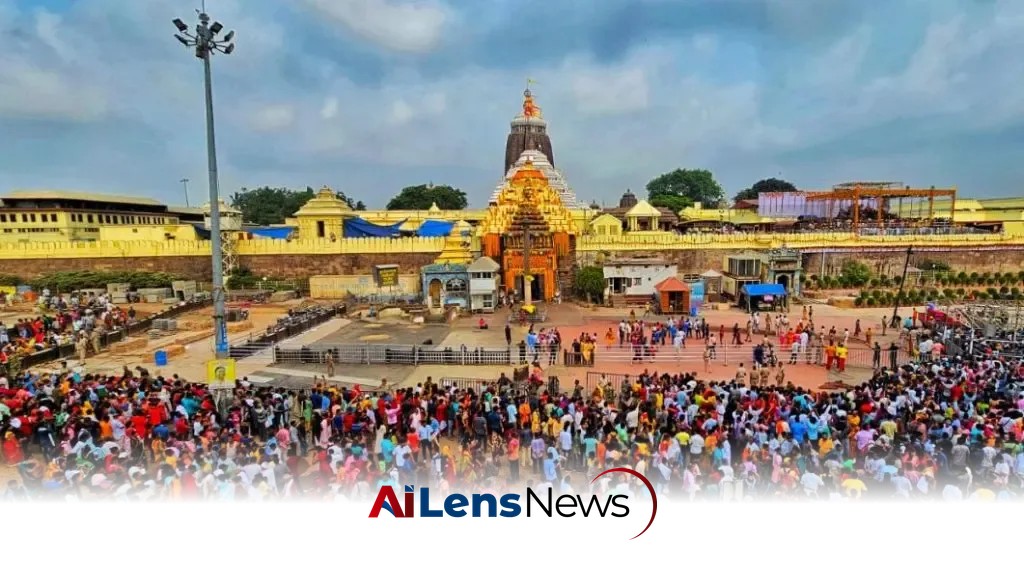


The International Society for Krishna Consciousness (ISKCON) is under fire for referring to Goddess Subhadra as 'Smt Subhadra Devi' in a social media post, igniting criticism from devotees and cultural experts.
New Delhi, India Jul 15, 2026 ALN: Bhubaneswar: The International Society for Krishna Consciousness (ISKCON) is facing renewed criticism after a social media post referred to Goddess Subhadra as “Smt Subhadra Devi” in relation to the Rath Yatra festival. This incident has sparked a significant backlash, particularly from devotees of Lord Jagannath and cultural researchers who argue that the phrasing does not align with traditional Jagannath culture.
The controversial post stated: “The Rath Yatra is a divine pastime of Lord Jagannath who along with Lord Balabhadra and Smt Subhadra Devi come out on their chariot to bestow their darshan and blessings on to one and all.” Many have expressed that this description is inappropriate and undermines the reverence associated with the Jagannath tradition. The use of the term “Smt” is seen by many as a modern and somewhat casual designation that does not capture the sanctity and respect traditionally afforded to deities in the Jagannath pantheon.
Notably, internationally acclaimed sand artist Sudarsan Pattnaik voiced his concerns, urging ISKCON to reconsider their wording. He emphasized that in the Jagannath tradition, devotees refer to her as “Maa Subhadra Devi,” which reflects deep respect and devotion. In his response, Pattnaik stated, “I humbly request that this wording be reviewed and updated to better reflect the devotional culture and tradition of Mahaprabhu Shree Jagannath. Kindly follow the Shree Jagannath Mahaprabhu tradition and culture.” This call for a reconsideration of language highlights the broader implications of how religious figures are addressed and the potential for misunderstanding or disrespect that can arise from seemingly minor linguistic choices.
The backlash against ISKCON is not an isolated incident but rather part of a larger narrative regarding the organization’s practices and their alignment with traditional Hindu customs. ISKCON has previously faced scrutiny for organizing Rath Yatra celebrations worldwide on dates that do not correspond with the traditional festival held in Puri, Odisha. This has led to criticism from devotees across Odisha and beyond, who feel that such discrepancies dilute the authenticity and significance of the celebrations. The Rath Yatra in Puri, which features the grand procession of the deities Jagannath, Balabhadra, and Subhadra, is a deeply rooted cultural and religious event that attracts millions of devotees every year. The timing and manner of its celebration are steeped in centuries of tradition, making any deviation a point of contention.
The controversy surrounding ISKCON's recent post and its implications touches on the sensitivity surrounding religious traditions and the importance of language in maintaining cultural integrity. Language is not merely a tool for communication; it is also a vessel for cultural heritage and religious sentiment. The choice of words can evoke strong emotional responses from communities that hold their traditions sacred. In this case, the reference to Goddess Subhadra as “Smt” instead of “Maa” is seen as a departure from the traditional reverence that devotees are accustomed to, potentially alienating a segment of the faithful.
As ISKCON navigates this criticism, the organization may need to reassess its communication strategies to align more closely with the sentiments of its followers and the broader Jagannath community. This could involve engaging more deeply with local traditions, consulting cultural experts, and ensuring that any public communications reflect the values and beliefs of the communities they serve. The backlash serves as a reminder of the delicate balance between modern interpretations of tradition and the deep-rooted cultural practices that define religious observances.
The Rath Yatra itself has a rich history that dates back centuries, with its origins rooted in the ancient texts of Hinduism. The festival celebrates the annual journey of Lord Jagannath from his temple in Puri to his garden in the countryside, a journey that symbolizes the Lord's love for his devotees. During this time, the deities are placed on a massive chariot and pulled through the streets, allowing devotees to have a closer glimpse of the divine. This act of pulling the chariot is considered a sacred duty and is performed with great devotion and enthusiasm.
In the context of ISKCON, which was founded in the 1960s by A.C. Bhaktivedanta Swami Prabhupada, the organization has sought to spread the teachings of Krishna consciousness globally. However, its methods and interpretations of traditional practices have sometimes been met with resistance from more traditionalist factions within Hinduism. The recent incident may exacerbate existing tensions, as it raises questions about authenticity, respect, and the preservation of cultural identity in a rapidly globalizing world.
Furthermore, the role of social media in amplifying such controversies cannot be overlooked. In an age where information spreads rapidly, organizations must be particularly cautious about their messaging. A single post can lead to widespread public scrutiny and backlash, as seen in this case. The incident underscores the need for cultural sensitivity and awareness of the diverse interpretations of religious practices within Hinduism.
In conclusion, the incident involving ISKCON's reference to Goddess Subhadra as “Smt Subhadra Devi” serves as a poignant reminder of the complexities surrounding religious language and tradition. As ISKCON continues to engage with its global audience, it must navigate the intricacies of cultural reverence and modern expressions of faith. The organization stands at a crossroads, where it must balance its mission of spreading Krishna consciousness with the need to honor and respect the rich tapestry of traditions that define Hindu worship, particularly those associated with the revered Jagannath culture.
The implications of this controversy extend beyond just a single post or a misnomer. It raises essential questions about how religious organizations adapt to modernity while preserving the sanctity of traditional practices. The language used in religious contexts is not merely a matter of semantics; it plays a crucial role in shaping the community's perception of their faith and its practices. In a world increasingly characterized by globalization, cultural exchanges, and the blending of traditions, the challenge lies in finding a respectful and meaningful way to communicate these rich heritages.
Moreover, the response from the community, including artists, scholars, and devotees, illustrates a collective desire to maintain the integrity of their traditions. This incident has sparked discussions about the importance of cultural education and awareness, particularly among organizations that operate on a global scale. The need for training and sensitivity towards local customs and practices should be prioritized to avoid similar controversies in the future.
As ISKCON reflects on this backlash, it may also consider the broader implications of its outreach efforts. Engaging with local communities, understanding their sentiments, and incorporating their voices into the organizational narrative can foster a more inclusive environment. This approach not only strengthens the bond between ISKCON and traditional devotees but also enriches the organization's understanding of the diverse expressions of Krishna consciousness worldwide.
In summary, the recent backlash faced by ISKCON over the reference to Goddess Subhadra highlights the critical intersection of language, culture, and religion. It serves as a clarion call for greater sensitivity and respect in religious discourse, especially as organizations like ISKCON navigate the complexities of a global audience while striving to honor the profound traditions they represent. The path forward involves a commitment to learning, listening, and adapting in ways that uphold the dignity and reverence of the sacred traditions that form the backbone of their faith.
To learn more about the latest developments in Hinduism, stay updated with our exclusive reports and analyses on AiLensNews.

