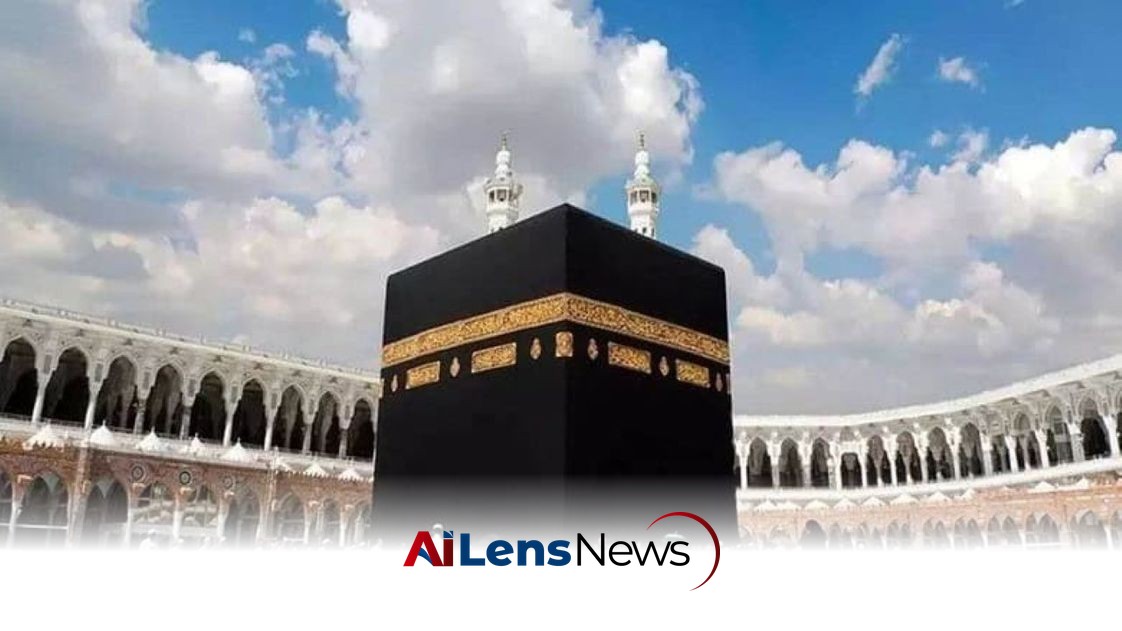


The Jammu and Kashmir Haj Committee has announced the provisional selection of 4,692 applicants for Haj 2027, a decrease from last year's figures, attributed to rising pilgrimage costs.
New Delhi, India Jul 31, 2026 ALN: The Jammu and Kashmir Haj Committee (JKHC) has released a provisional list of selected applicants for Haj 1448 (H) – 2027, indicating that a total of 4,692 pilgrims from the Union Territory have been chosen to embark on this significant religious journey. This selection reflects a decrease of 474 aspirants compared to the previous year, where 5,166 individuals were selected for Haj 2026. Despite this decline, it is anticipated that nearly 4,600 pilgrims will undertake the pilgrimage in the upcoming year.
The Executive Officer of the JKHC, Dr. Shujaat Ahmad Qureshi, confirmed that the selection process was competitive, with 4,692 aspirants making it onto the list against a total quota of 8,000 allocated for Jammu and Kashmir. The online registration process for Haj 2027 initially had a deadline of June 20, which was later extended to June 24, 2026, to accommodate more applicants. This flexibility in the registration timeline indicates the committee's efforts to ensure that as many potential pilgrims as possible can apply for the pilgrimage.
Dr. Qureshi also mentioned that 14 private Haj companies operating in Jammu and Kashmir have been allocated a combined quota of 665 seats, with finalization expected within the next 15 days. The involvement of private companies in the Haj process is significant, as it provides additional options for pilgrims, potentially easing the logistical challenges associated with the pilgrimage.
One of the key factors contributing to the decline in applications for Haj from Jammu and Kashmir has been the rising cost of the pilgrimage. Dr. Qureshi pointed out that there has been a noticeable drop in the number of applicants since 2023, primarily due to financial constraints. The cost for Haj 2026 was approximately Rs 4.18 lakh per pilgrim, a price that many families find difficult to afford. This financial burden is compounded by various economic factors, including general inflation, which has been reported at nearly 7 percent, the cessation of the Haj subsidy after 2018, and the appreciation of the Saudi Riyal against the Indian Rupee over the years.
The implications of rising pilgrimage costs extend beyond individual families; they reflect broader economic trends that are affecting religious practices across the region. The JKHC's observations about the decline in Haj applications are not isolated to Jammu and Kashmir; several northern states in India are experiencing similar trends. In contrast, many southern states continue to see strong demand for Haj, suggesting a geographical disparity that may be influenced by varying economic conditions and cultural attitudes towards religious pilgrimages.
The Haj Committee of India (HCoI) has taken measures to ensure that provisionally selected pilgrims for Haj 2027 adhere to a strict payment schedule. The HCoI has mandated that all selected pilgrims must deposit an advance payment of Rs 1,52,300 by August 10, 2026. This amount consists of Rs 1,50,000 as the advance Haj payment, along with Rs 2,000 for miscellaneous dues and Rs 300 as a non-refundable processing fee. The clear stipulation of deadlines and payment amounts underscores the importance of financial planning for prospective pilgrims.
To facilitate the payment process, the committee has provided various options. Payments can be made through an e-payment facility available on the Haj Committee of India's official website or the Haj Suvidha App, allowing for transactions via credit card, debit card, or net banking. Additionally, pilgrims have the option to deposit the amount using a pay-in slip at designated branches of the State Bank of India or Union Bank of India, referencing the bank reference number provided on the Haj Committee website. This flexibility in payment methods is designed to accommodate the diverse financial capabilities of pilgrims.
Furthermore, the circular issued by the Haj Committee emphasizes the necessity for pilgrims to include the unique bank reference number allotted to each cover in their deposit receipt. This requirement is crucial for ensuring that payments are accurately tracked and attributed to the correct applicants, thereby preventing any administrative errors that could affect the pilgrims' status.
In addition to the current circular, the Haj Committee has indicated that further communication regarding the selection process for Short Haj, submission of payment receipts, required documentation, and subsequent procedures will be provided in a separate notice. This proactive approach by the committee is aimed at keeping all selected pilgrims informed about the necessary steps they need to take leading up to the pilgrimage.
The Haj pilgrimage holds immense spiritual significance for Muslims worldwide, as it is one of the Five Pillars of Islam, representing a mandatory religious duty for those who are physically and financially able to undertake it at least once in their lifetime. The pilgrimage to Mecca, which takes place during the Islamic month of Dhu al-Hijjah, involves a series of rituals that commemorate the actions of the Prophet Ibrahim and his family. Given its importance, the declining number of applicants from regions like Jammu and Kashmir raises concerns about accessibility and the ability of families to fulfill their religious obligations.
As the Haj Committee continues to navigate the challenges posed by rising costs and fluctuating demand, it remains essential for stakeholders, including government bodies, religious organizations, and community leaders, to collaborate in finding solutions that ensure the pilgrimage remains accessible to all who wish to undertake it. This may involve exploring options to subsidize costs, providing financial assistance to low-income families, or enhancing awareness about the spiritual and communal benefits of participating in the Haj.
In conclusion, the selection of 4,692 aspirants for Haj 2027 by the Jammu and Kashmir Haj Committee reflects both the enduring significance of the pilgrimage and the contemporary challenges faced by potential pilgrims. As the August deadline for advance payments approaches, it will be crucial for the committee and the broader community to support these aspirants in their journey towards fulfilling one of the most important obligations of their faith.
To learn more about the latest developments in Religious Events, stay updated with our exclusive reports and analyses on AiLensNews.

