

More
Checking your session
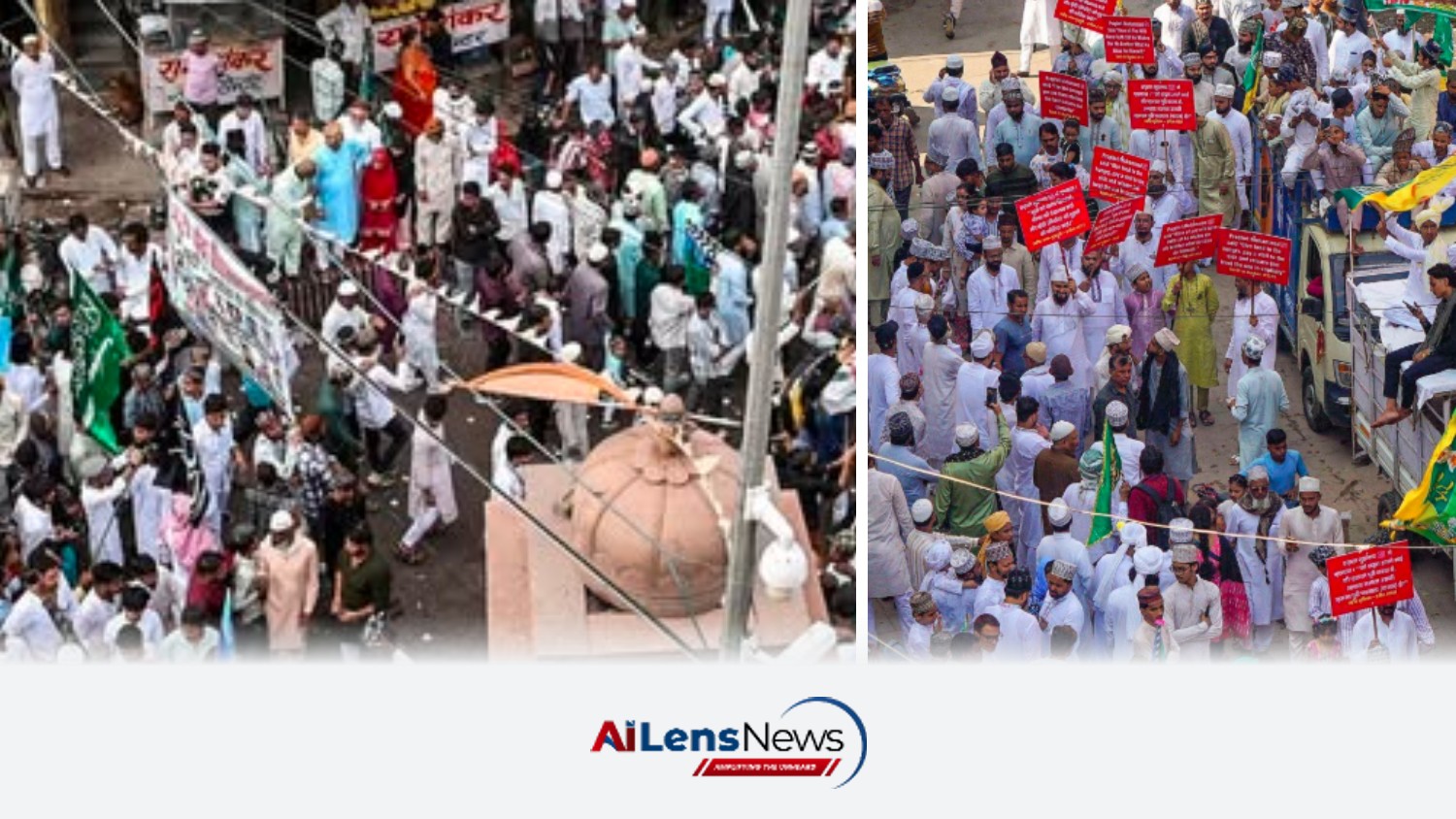



Eid-e-Milad-un-Nabi is celebrated with processions, charity drives, and traditional meals, reflecting the teachings of Prophet Muhammad.
New Delhi, India Aug 26, 2026 ALN: Eid-e-Milad-un-Nabi, also known as Milad-un-Nabi, is a significant occasion for many Muslims around the world, marking the birth of Prophet Muhammad, who is revered as the final prophet and messenger of God in Islam. This day is observed on the 12th day of Rabi' al-Awwal, the third month in the Islamic lunar calendar. The Prophet Muhammad is traditionally believed to have been born in Mecca around 570 AD and passed away at the age of 63 in Medina. His life and teachings, which are documented in the Hadith and other Islamic texts, emphasize core values such as compassion, forgiveness, patience, humility, selflessness, and the importance of helping others.
For Muslims observing Milad-un-Nabi, the day is not only a celebration of the Prophet's birth but also a time for reflection on his teachings and their relevance to contemporary life. It serves as an opportunity for the community to come together, engage in spiritual practices, and renew their commitment to the principles that the Prophet embodied.
In India, the observance of Eid-e-Milad-un-Nabi is marked by Juloos, which are processions that embody community spirit and religious fervor. These processions typically involve large gatherings where participants celebrate the birth of the Prophet Muhammad. Streets and mosques are adorned with vibrant decorations, including lights, flags, and banners, creating a festive atmosphere. The processions often feature a variety of activities, including the recitation of Naats—poetic expressions of love and admiration for the Prophet.
During these gatherings, volunteers play a crucial role by distributing food, sweets, and beverages to participants and passersby, fostering a sense of community and generosity. Many mosques also organize special programs where scholars and religious leaders deliver talks and speeches that highlight the life, teachings, and legacy of the Prophet Muhammad, encouraging attendees to reflect on how these teachings can be applied in their daily lives.
While some communities organize large public celebrations, the observance of Eid-e-Milad-un-Nabi can vary significantly across India. In some areas, families choose to celebrate privately, engaging in prayers and reflections within the comfort of their homes. This diversity in observance reflects the varying cultural and regional practices within the Muslim community in India.
Charity and community service are integral components of the Milad-un-Nabi celebrations. Many organizations and local groups take the initiative to organize food distribution drives, ensuring that meals reach the underprivileged and needy families during this auspicious occasion. The spirit of giving is particularly emphasized, resonating with the broader message of compassion and service that the Prophet Muhammad advocated throughout his life.
In addition to food distribution, various charitable activities are organized, including blood donation camps and community welfare programs. These initiatives not only provide essential services to those in need but also serve to strengthen community bonds and foster a sense of solidarity among participants. By engaging in acts of charity, individuals and communities reflect the core values of Islam and honor the teachings of the Prophet.
The celebration of Eid-e-Milad-un-Nabi is also characterized by the preparation and sharing of special meals and traditional delicacies, which vary by region and community. In certain parts of India, especially among Muslim communities in Hyderabad and other regions, a special dish known as Kupra Puri is prepared for the occasion. This sweet puri is typically filled with a mixture of cooked sweetened dal, dry coconut, sugar, dry fruits, or khowa, and is then deep-fried until it achieves a crisp texture.
Another beloved dish during this occasion is Kheer, a rice pudding that is often served as a sweet treat. Families take great care to prepare these traditional foods in large quantities, which are then shared with relatives, friends, and neighbors. The act of sharing food not only enhances the festive spirit but also reinforces the values of generosity and community bonding that are central to the observance of Eid-e-Milad-un-Nabi.
Unlike Eid al-Fitr and Eid al-Adha, which are considered among the major festivals in Islam and are celebrated with widespread public observance, Milad-un-Nabi is marked by a more varied approach across different Muslim communities. While some may celebrate it with grand festivities, others might observe it with a more subdued, personal reflection. For those who do commemorate the occasion, it provides a vital opportunity for prayer, remembrance, and community service.
Across India, the observance of Eid-e-Milad-un-Nabi—whether through processions, mosque gatherings, family meals, or charitable acts—reflects a collective emphasis on values such as love, compassion, generosity, and harmony. As communities come together to honor the life and teachings of the Prophet Muhammad, they reinforce the importance of these principles in their daily lives, fostering a spirit of unity and mutual respect among diverse groups within the broader Indian society. The significance of this occasion transcends mere celebration, serving as a reminder of the enduring legacy of the Prophet and the values that continue to inspire millions of Muslims around the world.
To learn more about the latest developments in Islam, stay updated with our exclusive reports and analyses on AILensNews.