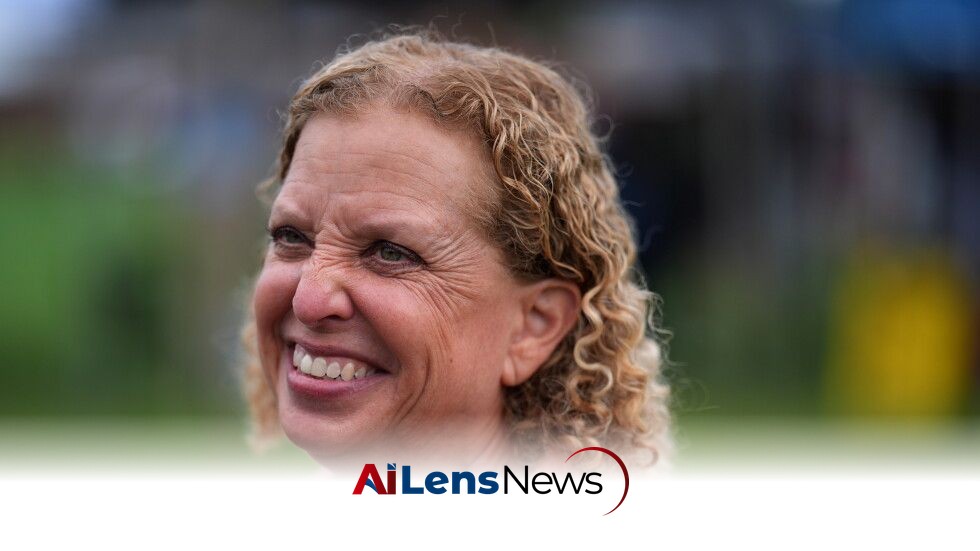


As Congresswoman Debbie Wasserman Schultz campaigns for reelection in Florida's newly drawn 20th district, discussions arise about the meaning of representation in diverse communities.
Washington DC, United States Aug 18, 2026 ALN: U.S. Representative Debbie Wasserman Schultz is currently campaigning for reelection in Florida's newly redrawn 20th congressional district. This shift in boundaries has ignited a significant debate regarding what representation truly means in a district characterized by its diversity. The redistricting process, which occurs every ten years, is often contentious and can reshape political dynamics significantly. In Wasserman Schultz's case, the changes have prompted discussions about the effectiveness of incumbents in adapting to the evolving demographics and needs of their constituents.
The recent redistricting in Florida has altered the political landscape, prompting candidates to reassess their strategies. The 20th congressional district, previously more compact and homogenous, has been expanded to include a broader swath of the population, reflecting Florida's growing diversity. This includes an increase in Hispanic and Black voters, as well as a younger demographic that may have different priorities compared to previous election cycles. Wasserman Schultz, a long-time Democratic incumbent, is now facing new challenges as she seeks to connect with constituents in a district that has changed demographically and politically. Redistricting is often seen as a tool for political advantage, but in this case, it raises questions about whether established politicians can effectively represent a more diverse electorate.
During her campaign, Wasserman Schultz has actively engaged with the community, attending events such as the National Night Out in Plantation, Florida. Here, she has been seen interacting with constituents, emphasizing her commitment to understanding their needs and concerns. Such grassroots efforts are essential in a district where voters are increasingly looking for representatives who can relate to their experiences and challenges. This direct engagement is not only a campaign strategy but also a necessary approach to rebuild trust and rapport with a community that may feel overlooked in the past. By participating in local events and forums, Wasserman Schultz aims to demonstrate that she is not just a distant politician but a dedicated advocate for her constituents' interests.
Wasserman Schultz is not without competition. Former congresswoman Sheila Cherfilus-McCormick and Democratic candidate Elijah Manley are also vying for the seat, each presenting their vision for representation in the district. Cherfilus-McCormick, who has a background in healthcare, has focused her campaign on issues such as affordable healthcare and economic opportunity, which resonate with many voters. Meanwhile, Manley, a younger candidate, has emphasized progressive issues such as climate change and social justice, appealing to a demographic that is increasingly politically active and vocal about their needs. Their participation in forums and community discussions highlights the varied perspectives on what effective representation should look like, and it raises the stakes for Wasserman Schultz to articulate her vision clearly and compellingly.
The core of the debate centers around the definition of representation in a diverse district. Supporters argue that Wasserman Schultz's experience and established connections make her a strong candidate. They point to her long history of service in Congress, including her role as the former chair of the Democratic National Committee, as evidence of her capability to navigate complex political landscapes. Critics, however, question whether her long tenure aligns with the evolving needs of the community. They argue that fresh perspectives are necessary to address the unique challenges faced by the district's diverse population. This debate underscores a broader national conversation about political representation, particularly within communities of color and younger voters who may feel that traditional political structures do not adequately address their concerns.
As the election approaches, the discussions surrounding representation are likely to intensify. Voters are encouraged to consider not only the candidates' platforms but also their ability to genuinely represent the diverse voices within the district. The outcome of this election could have significant implications for the Democratic Party, particularly in how it approaches diversity and representation in future elections. If Wasserman Schultz is reelected, it may signal a preference among voters for experienced incumbents who can leverage their connections to secure resources for the district. Conversely, if one of her challengers emerges victorious, it could indicate a shift towards a demand for new voices and ideas in Congress.
In conclusion, the reelection campaign of Debbie Wasserman Schultz serves as a critical case study in understanding representation in modern politics. The outcome will not only affect her political future but also set a precedent for how diverse communities navigate their representation in Congress. As voters weigh their options, the emphasis on community engagement, responsiveness to changing demographics, and the definition of effective representation will likely shape the political landscape in Florida and beyond for years to come. The conversations sparked by this election could lead to a more nuanced understanding of what it means to represent a diverse constituency, and how elected officials can best serve the interests of all their constituents.
To learn more about the latest developments in Elections, stay updated with our exclusive reports and analyses on AiLensNews.

