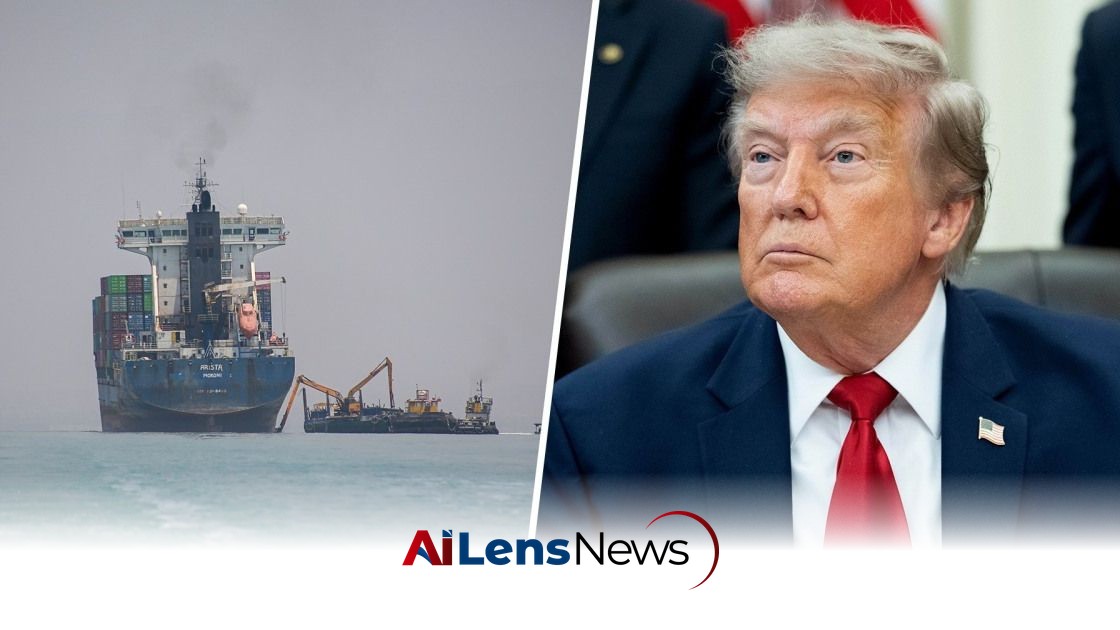


The US and Iran engage in strikes for the third consecutive night, raising concerns over a fragile peace deal as President Trump orders military control of the Strait of Hormuz.
Washington DC, United States Jul 14, 2026 ALN: The United States and Iran have exchanged military strikes for the third consecutive night, escalating tensions and jeopardizing an already fragile peace deal. This latest round of hostilities comes as President Donald Trump has ordered the U.S. military to assert control over the strategic Strait of Hormuz, a vital waterway for global commerce and energy supplies. The ongoing military actions reflect deep-seated animosities and geopolitical rivalries that have characterized U.S.-Iran relations for decades.
The Strait of Hormuz is a chokepoint through which approximately 20% of the world's oil passes, making its security paramount for international trade. The significance of this narrow passage cannot be overstated; it serves as a key transit route for oil tankers and other vessels, which is why any military conflict in this area poses a direct threat to global energy markets. The potential for a disruption in oil shipments could lead to dramatic increases in oil prices, which would impact economies worldwide, from major oil-importing nations to developing countries heavily reliant on oil imports.
In a significant move, President Trump is also threatening to impose a larger fee on vessels seeking safe passage through this vital waterway. This decision is likely intended to deter Iranian aggression and assert U.S. dominance in the region. Such a fee could further complicate international shipping logistics and lead to increased tensions among nations that depend on the free flow of trade through the Strait. The implications of such a fee could extend beyond immediate economic concerns, potentially straining diplomatic relations with allied nations that may view this move as an aggressive tactic.
Reports indicate that the U.S. military has increased its presence in the region, with naval assets being deployed to ensure the safety of commercial shipping. This military escalation has raised alarms among international observers, who fear that further confrontations could lead to a larger conflict. The U.S. has historically maintained a significant naval presence in the Persian Gulf, but the recent increase in military readiness signals a shift in strategy aimed at countering perceived threats from Iran. This shift is reflective of a broader U.S. policy that seeks to contain Iranian influence in the region, particularly in light of Iran's support for proxy groups in countries like Syria, Iraq, and Yemen.
As tensions rise, diplomatic efforts to de-escalate the situation appear to be faltering. The fragile peace agreement, which had been a focal point of negotiations, now hangs in the balance as both nations engage in a tit-for-tat exchange of strikes. The history of U.S.-Iran relations is rife with conflict, from the 1979 Iranian Revolution that led to the severing of diplomatic ties to the imposition of sanctions over Iran's nuclear program. These longstanding grievances have fostered a climate of mistrust that complicates diplomatic efforts. The U.S. withdrawal from the Joint Comprehensive Plan of Action (JCPOA) in 2018 marked a significant turning point, leading to heightened tensions and a series of retaliatory measures from both sides.
Experts warn that the ongoing military actions could have far-reaching implications not only for U.S.-Iran relations but also for global oil markets. Any disruption in the Strait of Hormuz could lead to significant increases in oil prices, affecting economies worldwide. Furthermore, a prolonged military conflict could destabilize the entire region, impacting neighboring countries and potentially drawing in other global powers. The risk of a broader conflict in the Middle East is a serious concern for international stability, particularly given the region's history of sectarian violence and the involvement of various state and non-state actors.
In response to the escalating situation, President Trump has emphasized the need for a strong military presence in the region, stating that the U.S. will not tolerate threats to its interests or its allies. The President's rhetoric has been met with mixed reactions, with some praising his tough stance while others express concern over the potential for military conflict. Critics argue that a military-first approach may only exacerbate tensions and lead to unintended consequences, such as civilian casualties or a broader conflict that could engulf neighboring countries.
The international community is closely monitoring the actions of both the U.S. and Iran. Calls for restraint and renewed diplomatic efforts are growing louder, as many fear that a miscalculation could lead to a wider conflict in the already volatile Middle East. Diplomatic channels remain open, but the effectiveness of these efforts will depend on the willingness of both sides to engage in meaningful dialogue. The role of international organizations, such as the United Nations, and regional bodies may also be crucial in facilitating discussions aimed at de-escalating tensions.
The recent military exchanges between the U.S. and Iran highlight the precarious nature of peace in the region. With both sides ramping up military readiness, the potential for further escalation remains a pressing concern for global stability. The situation underscores the importance of robust diplomatic engagement and the need for a comprehensive strategy that addresses the underlying issues driving the conflict. This includes not only the nuclear issue but also regional security dynamics and the influence of external actors.
In addition to the immediate implications for U.S.-Iran relations, the current hostilities also raise questions about the broader geopolitical landscape. The involvement of regional powers, such as Saudi Arabia and Israel, adds another layer of complexity to the situation. Both countries have a vested interest in countering Iranian influence in the region, and their reactions to U.S. military actions could further shape the dynamics of the conflict. Saudi Arabia, for instance, has historically viewed Iran as a rival and has supported U.S. efforts to contain its influence, while Israel has conducted military operations against Iranian targets in Syria.
Moreover, the ongoing tensions may also influence the upcoming political landscape in the United States. As the 2020 presidential election approaches, foreign policy decisions will be scrutinized by voters, and candidates may leverage the situation to bolster their platforms. The administration's handling of the crisis could have significant implications for Trump's re-election campaign, as public opinion on foreign interventions remains a contentious issue. Voters may be divided on whether a strong military response is warranted or if diplomatic solutions should be prioritized.
In conclusion, the escalating military actions between the U.S. and Iran are a stark reminder of the fragile state of peace in the region. The potential for miscalculation and further conflict looms large, prompting urgent calls for diplomatic engagement. As the situation develops, it remains crucial for all stakeholders to prioritize dialogue and seek peaceful resolutions to avoid a deeper crisis that could have devastating consequences both regionally and globally. The stakes are high, and the need for a carefully calibrated approach that balances military readiness with diplomatic outreach has never been more critical.
To learn more about the latest developments in Political Controversies, stay updated with our exclusive reports and analyses on AiLensNews.

