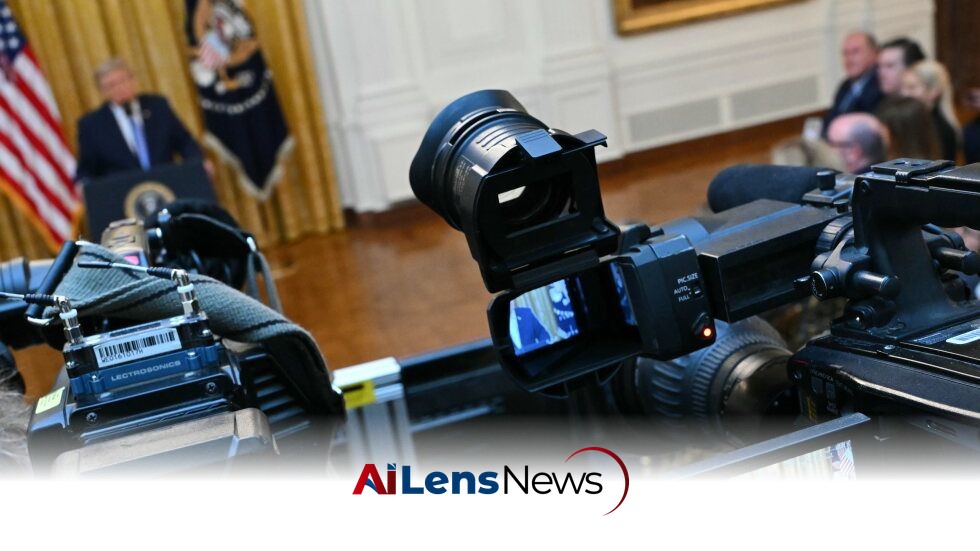


As President Trump delivers a primetime speech, TV networks grapple with the decision to air his controversial claims about election integrity and voting laws.
Washington DC, United States Jul 18, 2026 ALN: In a significant moment for U.S. media, television networks found themselves in a heated debate over whether to air President Donald Trump’s primetime address on July 16, 2026. The address was intended to amplify his long-standing claims regarding the legitimacy of U.S. elections, particularly his assertions about the 2020 election results. This situation is emblematic of a broader struggle facing media organizations as they grapple with the implications of broadcasting political content in an increasingly polarized environment.
The context of Trump's address is critical to understanding the media's dilemma. Since losing the 2020 presidential election, Trump has consistently claimed that the election was marred by widespread fraud, despite numerous court rulings and investigations that have found no substantial evidence to support these assertions. His narrative has resonated with a significant portion of the American electorate, contributing to ongoing divisions within the country. As Trump prepared to speak, the stakes were high, not only for his political future but also for the media's role in shaping public discourse.
Major networks like CNN, MSNBC, and Fox News faced a critical choice: to air the speech live or to provide commentary and analysis instead. This decision was complicated by the fact that Trump has a history of making unverified claims during his addresses, raising concerns about the responsibility of media outlets in presenting such information. The dilemma was further complicated by the potential repercussions of either choice. Not airing the speech could be perceived as censorship and a denial of the public's right to hear from the president directly. On the other hand, airing it without context could mislead viewers and contribute to the spread of misinformation.
Some executives argued that not airing the speech could damage their credibility and alienate a portion of their audience that supports Trump. They feared that by not providing a platform for the president's comments, they would be perceived as biased and untrustworthy. Conversely, others contended that airing it without sufficient context could mislead viewers and undermine the integrity of the electoral process. The discussions highlighted the broader challenges faced by news organizations in the current political climate, where misinformation can spread rapidly and have real-world consequences.
Public opinion on the matter was divided. Supporters of Trump expressed frustration over what they viewed as media bias, arguing that the president should have the opportunity to communicate directly with the American people. They believed that denying him airtime would only serve to reinforce their perception of a media establishment that is out of touch with ordinary Americans. Conversely, critics warned that airing the speech could contribute to the spread of falsehoods about the electoral process and further erode trust in democratic institutions.
The division in public sentiment reflects a larger trend in American society, where media consumption is often influenced by partisan loyalties. Many viewers have developed a preference for news sources that align with their political beliefs, leading to echo chambers where misinformation can thrive. This environment complicates the media's responsibility to provide balanced and accurate reporting, as networks must navigate the expectations of their audiences while maintaining journalistic integrity.
As the speech commenced, networks made their final decisions. Some chose to air it live, while others opted for a split-screen format, allowing viewers to see the speech alongside real-time fact-checking and analysis. This approach aimed to strike a balance between providing access to the president’s remarks and ensuring that viewers were informed about the context and accuracy of the claims being made. This innovative solution reflects an ongoing evolution in how media organizations are attempting to adapt to the challenges posed by misinformation and the current political landscape.
The decision to air or not air Trump’s speech is likely to set a precedent for how networks handle similar situations in the future. As the political landscape continues to evolve, media organizations will need to navigate the fine line between journalistic integrity and the public's right to information. The implications of this decision extend beyond the immediate broadcast; they may influence how networks approach politically charged content in the lead-up to the midterm elections and beyond.
In the wake of this event, news organizations may find it necessary to develop clearer guidelines for handling speeches and statements from political figures, especially those known for making unverified claims. Such guidelines could include protocols for real-time fact-checking, providing context for statements made, and assessing the potential impact of airing controversial content on public trust in the media.
Moreover, the debate surrounding the coverage of Trump’s address reflects larger issues within the media landscape, including the responsibility of news organizations to provide accurate information while also allowing for diverse viewpoints. As the midterms approach, these challenges will only become more pronounced, making it essential for networks to develop clear strategies for addressing the complexities of political communication in a digital age.
In conclusion, the situation surrounding Trump's primetime address highlights the intricate relationship between politics and media in contemporary America. As the nation grapples with issues of misinformation, trust, and the role of the press, the decisions made by television networks will likely reverberate throughout the political landscape, influencing not only how news is reported but also how democracy is practiced in the United States. The ongoing evolution of media practices in response to these challenges will be critical in shaping the future of political discourse in the country.
To learn more about the latest developments in Political Controversies, stay updated with our exclusive reports and analyses on AiLensNews.

