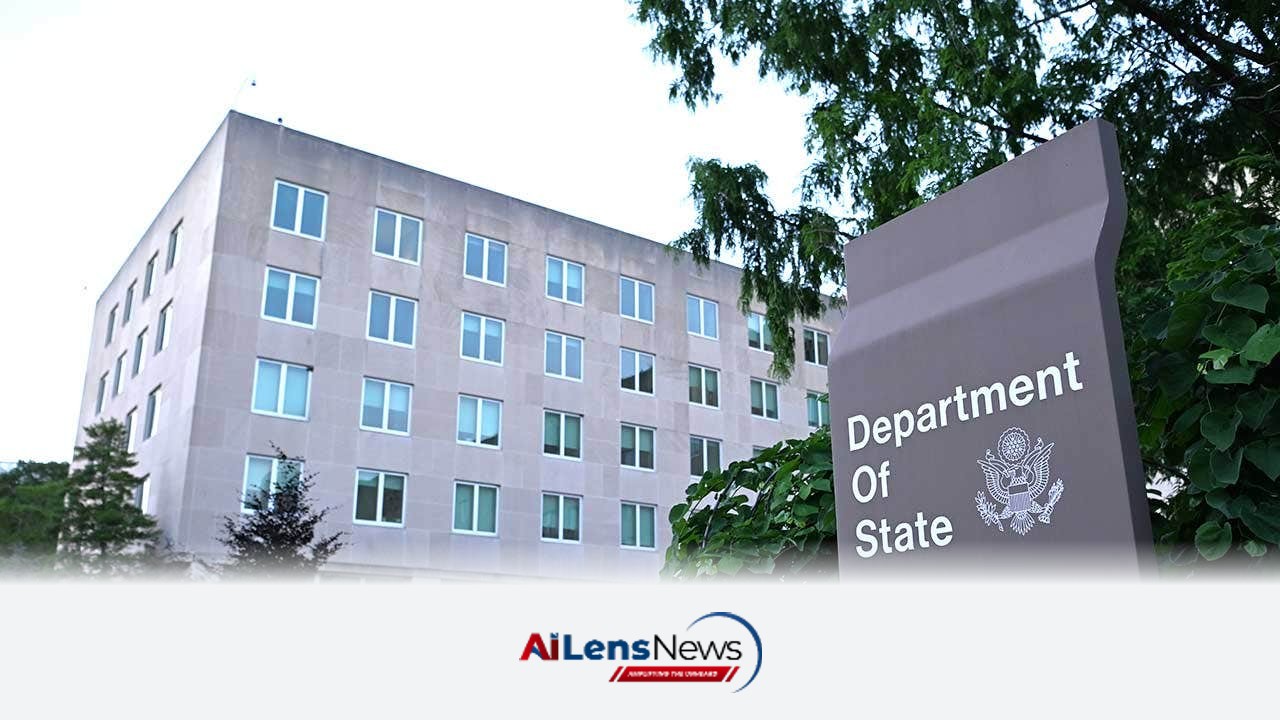



The Trump administration is set to revoke up to 200,000 B1 and B2 visas from foreigners who applied for asylum, marking a potential historic action.
Washington DC, United States Aug 25, 2026 ALN: The Trump administration is reportedly preparing to revoke business and tourist visas held by as many as 200,000 foreigners who have applied for asylum in the United States. This sweeping action is expected to be announced by the State Department in the coming weeks, according to internal documents and U.S. officials.
The targeted visas include B1 and B2 types issued between 2016 and 2026, specifically to individuals who later sought asylum. If implemented, this would mark the largest mass visa revocation in U.S. history and could face legal challenges. The implications of such an action are significant, as they touch on various aspects of immigration policy, international relations, and the legal rights of individuals seeking refuge.
State Department spokesman Tommy Pigott stated, "We are coordinating with DHS to identify and revoke the nonimmigrant visas of foreigners who have come to the United States claiming to be short-term visitors, but then file for asylum to stay here permanently." Pigott did not confirm the exact number of affected individuals, noting that the revocations would occur on a "rolling basis" and the total remains "dynamic." This suggests a systematic approach to visa revocation, which could involve extensive investigations into the visa holders' backgrounds and their reasons for seeking asylum.
The proposed revocation does not automatically lead to immediate deportations. Foreigners with pending asylum cases would generally be reclassified but would lose their status as business or tourist travelers. This means that while they may remain in the U.S., their ability to travel under the B1 or B2 visa would be revoked. This could create a precarious situation for many individuals who might have entered the U.S. with legitimate intentions but later found themselves in circumstances that warranted seeking asylum. The loss of visa status may also complicate their legal standing and access to resources while their asylum claims are processed.
Deputy Secretary of State Christopher Landau emphasized that asylum should not be used to bypass immigration laws. He stated, "People in the US and all over the world are fed up with bogus asylum claims. Asylum isn’t supposed to be a loophole to circumvent immigration law." This statement reflects a broader sentiment among some policymakers who view the asylum process as being exploited by individuals who do not meet the criteria for protection under U.S. law. However, critics argue that such a perspective fails to recognize the complexities and dangers faced by many asylum seekers, particularly those fleeing violence, persecution, or instability in their home countries.
B1 visas are typically issued for business travel, while B2 visas cover tourism, family visits, and medical care. Currently, applicants must demonstrate that they plan to return to their home countries, which involves providing proof of ties to their homeland, such as employment, family, or property. The potential revocations come as the Trump administration intensifies its crackdown on what it considers abuse of the immigration system. Over the past 18 months, the State Department has revoked approximately 175,000 visas, a move that has raised concerns among immigration advocates and human rights organizations.
The proposed visa revocation could have far-reaching implications not only for the individuals affected but also for U.S. foreign relations, particularly with countries from which these asylum seekers originate. Many of these individuals may be fleeing dire situations, and the perception that the U.S. is closing its doors to them could damage its image as a refuge for those in need. Furthermore, this policy could lead to increased tensions between the U.S. and countries with high numbers of asylum seekers, potentially complicating diplomatic relations.
Additionally, the legal ramifications of such a mass visa revocation could be significant. Legal experts predict that affected individuals may challenge the revocations in court, arguing that they have a right to seek asylum regardless of their visa status. This could lead to a protracted legal battle that could further complicate the already strained U.S. immigration system.
As the situation develops, it remains to be seen how the administration will implement these changes and how they will be received by the public and advocacy groups. The potential for legal challenges, coupled with the ethical considerations surrounding the treatment of asylum seekers, will likely be at the forefront of discussions as the administration moves forward with its plans.
The State Department could not be immediately reached for comment regarding this impending announcement.
The Associated Press contributed to this report.
To learn more about the latest developments in Political Controversies, stay updated with our exclusive reports and analyses on AILensNews.

