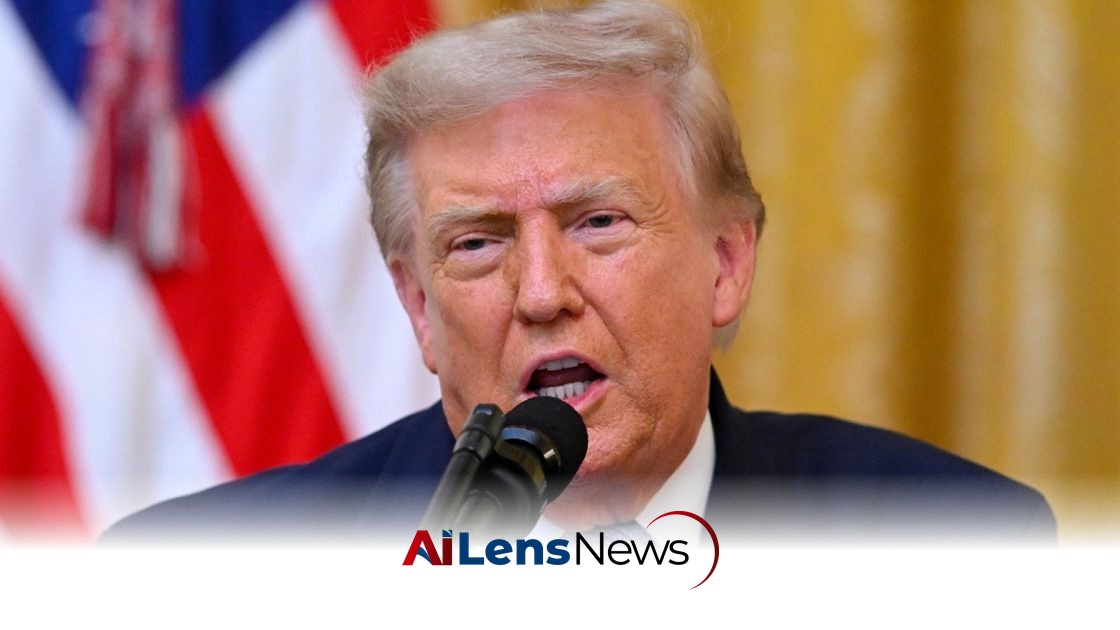


In a recent prime-time speech, Donald Trump questioned election integrity and reiterated false claims about the 2020 election, alleging foreign interference.
Washington DC, United States Jul 17, 2026 ALN: In a recent prime-time address, former President Donald Trump raised significant concerns regarding election integrity as the nation approaches the crucial midterm elections in November. His speech, delivered on Thursday, was marked by a revival of debunked claims surrounding the 2020 presidential election. This address is part of a broader strategy that Trump has employed since leaving office, which involves questioning the legitimacy of electoral processes and framing them as susceptible to fraud.
Trump's assertions included allegations that foreign entities, specifically China, had targeted his campaign during the previous election cycle. This rhetoric echoes his past statements, which have been widely criticized and fact-checked for inaccuracies. The notion that foreign interference played a decisive role in the 2020 election has been a recurring theme in Trump's narrative, despite the absence of concrete evidence supporting such claims. In fact, numerous investigations, including those by the Department of Justice and various state election officials, have found no evidence of widespread voter fraud or foreign interference that would have altered the election's outcome.
During his address, Trump emphasized the need for vigilance regarding election processes, suggesting that without proper oversight, the integrity of future elections could be compromised. His comments come at a time when many voters are already expressing concerns about the electoral system. Polls indicate that a significant portion of the electorate harbors doubts about the fairness of elections, a sentiment that has been exacerbated by Trump's persistent claims. This situation raises critical questions about the state of democracy in the United States, as trust in electoral institutions is a cornerstone of democratic governance.
The focus on election integrity has led to a slew of legislative actions across various states, with lawmakers introducing measures aimed at tightening voting regulations. Proponents of these laws argue that they are necessary to protect the electoral process, while critics contend that they disproportionately affect marginalized communities and are motivated by unfounded fears of fraud. This legislative push reflects a broader trend in American politics, where the narrative surrounding election integrity has become a potent tool for mobilization among certain voter bases.
In many states, laws have been enacted or proposed that include stricter voter ID requirements, purging voter rolls, and limiting mail-in voting options. Supporters of these measures argue that they are essential for maintaining the integrity of elections and preventing potential fraud. However, numerous studies have shown that voter fraud is extremely rare in the United States, and many of these laws have been criticized for creating barriers to voting, particularly for low-income individuals, minorities, and the elderly. This ongoing debate highlights the tension between the perceived need for security in the electoral process and the fundamental right to vote.
The former president's speech has reignited discussions about the legitimacy of the 2020 election results. Despite numerous investigations and court rulings affirming the outcome, Trump continues to propagate the narrative that the election was stolen from him. This has led to a polarized political climate, with many of his supporters echoing these unfounded claims. The consequences of this ongoing disinformation campaign are profound, as it not only undermines public confidence in elections but also fuels political violence, as evidenced by the January 6 Capitol riot, where many participants cited Trump's false claims as justification for their actions.
Moreover, the revival of these false narratives has implications for the Republican Party as it navigates its identity in the post-Trump era. Some party leaders have sought to distance themselves from Trump's claims, while others have embraced them as part of their platform. This division within the party raises questions about its future direction and the potential for factionalism, as candidates align themselves with either Trump's base or a more traditional conservative approach. This internal struggle may affect the party's ability to present a unified front in upcoming elections, potentially alienating moderate voters who may be critical for success in battleground districts.
As the midterm elections draw near, Trump's statements could influence voter sentiment and mobilize his base. Political analysts are closely monitoring how these claims may affect voter turnout and the overall election landscape. Trump's ability to galvanize his supporters is well-documented, and his rhetoric may serve to energize those who feel disenfranchised or disillusioned with the political establishment. This mobilization is particularly crucial in midterm elections, where turnout can significantly impact the results.
Furthermore, the impact of Trump's claims extends beyond his immediate supporters. Voters who are undecided or moderate may be swayed by the narrative of election fraud, leading to increased polarization and potentially affecting the outcomes in key battleground states. The stakes are particularly high in races for the House of Representatives and the Senate, where control of Congress hangs in the balance. The ability of candidates to address concerns about election integrity while also promoting policies that resonate with voters will be critical in shaping their electoral prospects.
In addition to the electoral implications, Trump's repeated assertions about election integrity have broader societal consequences. They contribute to a climate of mistrust that can discourage voter participation and engagement. If voters believe that their votes may not count or that the system is rigged, they may be less likely to participate in elections, further eroding the democratic process. This erosion of trust can have long-lasting effects on civic engagement, as individuals may feel disillusioned with the political system and withdraw from active participation in democracy.
Trump's prime-time speech serves as a reminder of the ongoing debates surrounding election integrity in the United States. As misinformation continues to circulate, the impact of these narratives on the upcoming elections remains to be seen. The situation underscores the critical need for civic education and transparent communication from electoral officials to rebuild trust in the democratic process. As the midterms approach, the interplay between Trump's rhetoric and the electorate's response will be pivotal in shaping the future of American politics.
Ultimately, the focus on election integrity and the narratives surrounding it will likely continue to dominate political discourse in the lead-up to the midterms and beyond. As both parties strategize for the upcoming elections, the implications of Trump's claims will resonate through the political landscape, influencing not only voter behavior but also the broader societal context in which these elections take place. The challenge will be to foster an environment where voters feel confident in the electoral process and are motivated to participate, ensuring that democracy remains robust and resilient in the face of ongoing challenges.
To learn more about the latest developments in Political Controversies, stay updated with our exclusive reports and analyses on AiLensNews.

