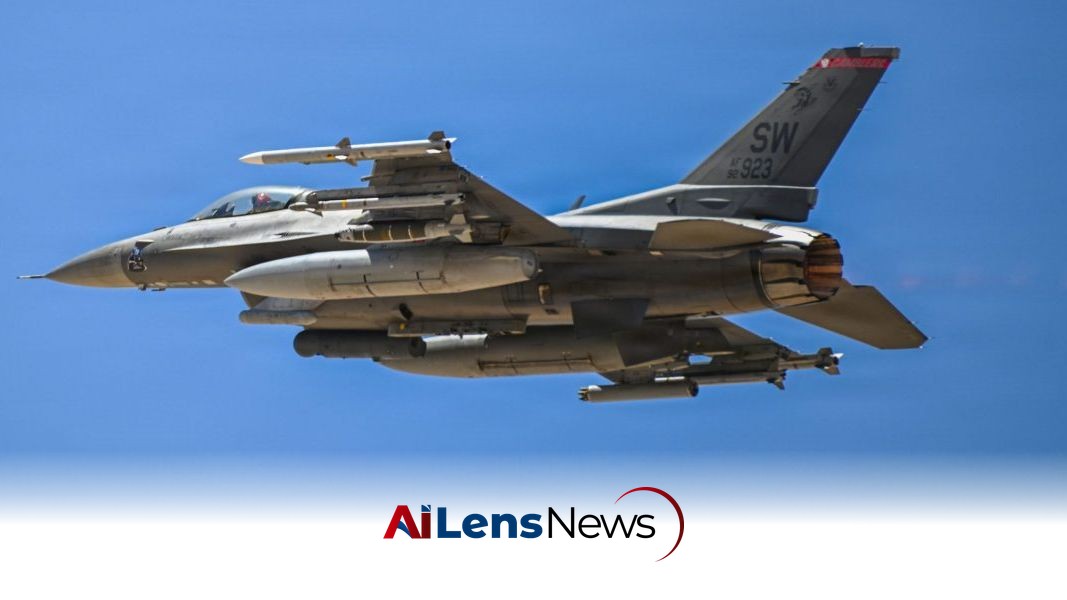


President Trump has directed military strikes against Iran, aiming to compel Tehran to surrender following recent attacks on U.S. bases. The situation raises concerns about potential war crimes and escalating oil prices.
Washington DC, United States Aug 1, 2026 ALN: In a significant escalation of tensions in the Middle East, President Donald Trump has reportedly ordered the US military to prepare for an attack on Iran, with potential strikes expected as early as this weekend. The Wall Street Journal broke the news on Friday, citing unnamed US officials who indicated that the military action aims to compel Tehran to capitulate to US demands. This decision marks a pivotal moment in US-Iran relations, which have been fraught with conflict and hostility for decades.
This development follows a series of provocations and retaliatory threats from both sides, particularly after an attack on a US base in Jordan, which Trump has characterized as a severe provocation warranting a strong response. The tensions have been exacerbated by Iran's ongoing military activities in the region, including support for proxy groups in Iraq, Syria, and Lebanon, which the US has condemned as destabilizing. During a Cabinet meeting on Friday, the president asserted, "We’ll be hitting them very hard," suggesting that the US intends to apply substantial military pressure on Iran until they relent. He further indicated that there would come a point where Iran would recognize that they could no longer withstand the US military's onslaught.
In a separate report by CBS, it was revealed that the US is contemplating targeting Iranian energy infrastructure, including oil refineries and power plants. Such strikes would represent a marked escalation in the ongoing military campaign against Iran, raising serious concerns about the legality and humanitarian implications of targeting civilian infrastructure. Advocacy groups have warned that such actions could constitute war crimes under international law, as they risk significant civilian casualties and disruption of essential services. The implications of targeting civilian infrastructure are profound, as they could lead to widespread humanitarian crises, further destabilizing the region.
The news of potential military action has had immediate repercussions on global oil markets, with West Texas Intermediate (WTI) crude oil prices surging above $86 a barrel in post-settlement trading on Friday. This spike in oil prices reflects the market's response to the heightened risk of conflict in a region that is crucial to global energy supplies. The Strait of Hormuz, through which a significant portion of the world's oil passes, has been a focal point of tensions, especially as Iran has previously threatened to close it in response to military actions. The geopolitical implications of such a move are staggering, as any disruption in this vital waterway could lead to a significant increase in global oil prices, affecting economies worldwide.
White House Press Secretary Karoline Leavitt did not confirm the specifics of the impending military assault but reiterated that Iran would face continued consequences until they engage in negotiations that President Trump considers meaningful. This statement underscores the administration's strategy of using military threats as leverage in diplomatic discussions, a tactic that has been met with skepticism both domestically and internationally. Critics argue that this approach may backfire, as it risks alienating potential allies and undermining the US's position in the region.
Trump's administration has a history of fluctuating military postures regarding Iran, often oscillating between aggressive threats and attempts at diplomacy. The US withdrew from the Joint Comprehensive Plan of Action (JCPOA), commonly known as the Iran nuclear deal, in 2018, which marked a significant shift in US-Iran relations. Critics argue that this inconsistency undermines US credibility and complicates the already fraught situation in the region. Additionally, the prolonged conflict has reportedly strained US military resources, particularly air defense systems that are vital for protecting bases from drone and missile attacks. The situation has led to increased military readiness in the region, with the deployment of additional troops and assets to counter potential Iranian aggression.
The conflict with Iran, which escalated significantly following a series of airstrikes by the US and Israel beginning on February 28, has had far-reaching consequences. Iran's military response has included aggressive actions against neighboring countries in the Persian Gulf, where drone and missile strikes have disrupted commerce and daily life. Just this week, Egypt was impacted when drones attacked two ships carrying liquefied natural gas at the port of Damietta, illustrating the conflict's spillover effects. Such incidents raise concerns about the security of maritime routes and the potential for broader regional conflict.
The rising tensions and military actions have also exacerbated domestic issues in the United States, particularly concerning the economy. With inflation affecting the cost of essential goods such as food and housing, the increase in gasoline prices due to rising oil costs is likely to further frustrate American consumers. As the midterm elections approach, public opinion polls indicate that a significant portion of the electorate disapproves of Trump's handling of both the war and the economy, suggesting that these issues could play a pivotal role in shaping voter sentiment. The administration's foreign policy decisions are increasingly under scrutiny, as voters weigh the implications of military action against Iran.
Earlier on the same day, Trump expressed his diminishing faith in Iran's willingness to negotiate, citing a lack of trust due to what he described as Iran's dishonesty and misrepresentation in previous discussions. This sentiment reflects a broader breakdown in diplomatic relations, with Iranian officials reciprocating Trump's criticisms by asserting that the US has failed to uphold its commitments, further complicating any potential for future negotiations. The rhetoric from both sides has become increasingly hostile, leaving little room for compromise or dialogue.
The current state of affairs highlights the precarious balance of power in the Middle East, where military actions can rapidly escalate into wider conflicts. The implications of a military strike against Iran extend beyond the immediate region, as they could provoke retaliatory responses from Iranian forces and their allies, potentially destabilizing an already volatile geopolitical landscape. Moreover, the international community remains watchful, as any significant military engagement could draw in other nations and escalate into a broader conflict with unpredictable outcomes. The potential for a wider war raises alarm bells for global security, particularly given the intertwined nature of international relations in the region.
As the situation develops, the focus will likely remain on the administration's next moves and whether it can navigate the complex web of international relations that define the US-Iran dynamic. The potential for military confrontation looms large, and the repercussions of such actions could have lasting impacts on both regional stability and global economic conditions. The decisions made in the coming days and weeks will not only shape the future of US-Iran relations but also influence the broader geopolitical landscape, affecting alliances and power dynamics in the Middle East and beyond.
To learn more about the latest developments in Political Controversies, stay updated with our exclusive reports and analyses on AiLensNews.

