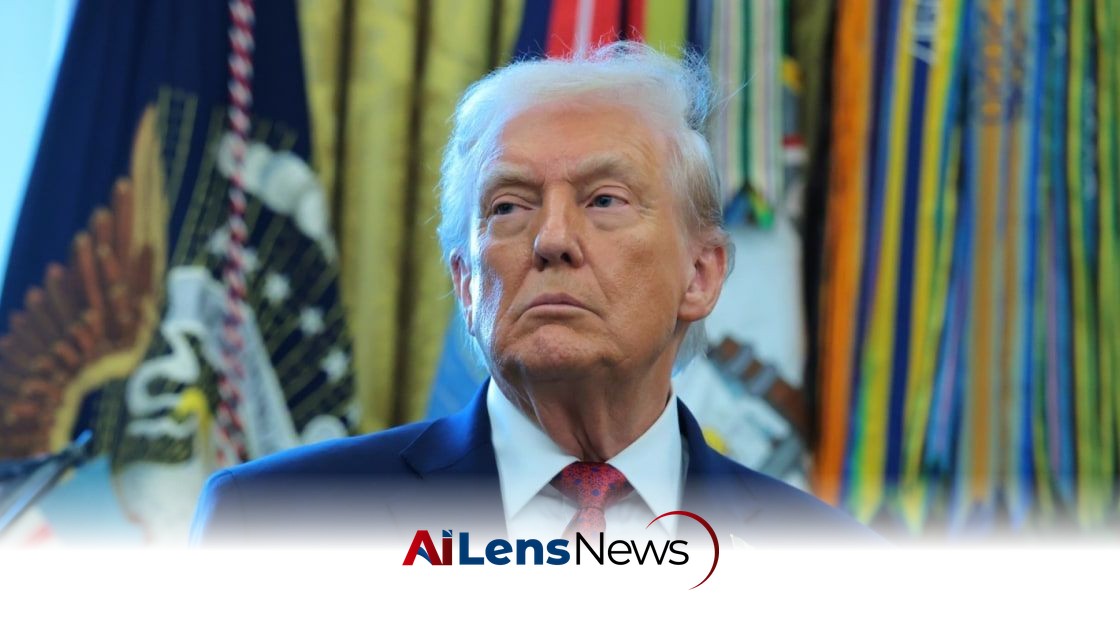


President Trump declares a naval blockade on Iranian vessels in the Strait of Hormuz, escalating tensions amid ongoing U.S.-Iran conflicts.
Washington DC, United States Jul 13, 2026 ALN: In a significant escalation of tensions in the Middle East, President Trump announced that the United States will reinstate a naval blockade on Iranian ships in the strategic Strait of Hormuz. This decision comes in response to a series of ongoing attacks between the U.S. and Iran, which have heightened concerns over maritime security in the region. The Strait of Hormuz is a crucial waterway for global oil shipments, with approximately one-fifth of the world's oil passing through it. The U.S. has long maintained a military presence in the area to ensure the free flow of commerce and to deter hostile actions from Iran.
The Strait of Hormuz, located between Oman and Iran, is one of the world's most vital maritime chokepoints. It serves as the gateway for oil exports from the Persian Gulf, which includes major oil-producing countries such as Saudi Arabia, Iraq, and the United Arab Emirates. The strategic importance of this waterway cannot be overstated, as any disruption could lead to significant fluctuations in global oil prices and impact economies worldwide. The U.S. military has been involved in operations in the region for decades, often citing the need to protect shipping lanes from piracy and state-sponsored aggression.
The relationship between the United States and Iran has been fraught with tension for decades, particularly since the 1979 Iranian Revolution, which resulted in the overthrow of the Shah, a U.S. ally, and the establishment of the Islamic Republic of Iran. This shift in power led to the severing of diplomatic ties and a series of confrontations, including the Iran hostage crisis, where American diplomats were held captive for 444 days. In recent years, tensions have escalated further, particularly following the U.S. withdrawal from the Iran nuclear deal in 2018, an agreement that was designed to limit Iran's nuclear capabilities in exchange for sanctions relief. The Trump administration's decision to exit the deal and reimpose heavy sanctions on the Iranian economy has exacerbated hostilities.
In response to these sanctions, Iran has adopted a more aggressive military posture, including attacks on commercial vessels and threats to disrupt shipping in the Strait of Hormuz. These actions have been interpreted by the U.S. as part of a broader strategy to exert influence in the region and challenge U.S. interests. The Iranian government has maintained that its actions are defensive in nature, aimed at protecting its sovereignty and deterring perceived threats from the U.S. and its allies.
President Trump's announcement indicates that U.S. naval forces will actively monitor and potentially intercept Iranian vessels attempting to transit through the Strait. This move is expected to escalate the already high tensions between the two nations and could provoke further retaliatory actions from Iran. The blockade is part of a broader strategy to exert pressure on Iran, aiming to curb its military activities and influence in the region. Analysts warn that this could lead to a dangerous escalation, as Iran may respond with its own military actions against U.S. interests, potentially involving attacks on U.S. military bases in the region or on allied nations.
The military strategy surrounding the blockade includes the deployment of additional naval assets to the region, enhancing surveillance capabilities, and increasing the readiness of forces stationed in nearby bases. This represents a significant commitment of resources, reflecting the U.S. administration's intent to maintain a strong posture in the face of Iranian provocations. The potential for direct military confrontation raises concerns among defense analysts, who highlight the unpredictable nature of such engagements and the risk of miscalculations leading to broader conflict.
The announcement has drawn mixed reactions from the international community. Some allies of the U.S., particularly those in the Gulf Cooperation Council (GCC), have expressed support for the blockade, emphasizing the need to ensure maritime security and the free flow of oil. Countries like Saudi Arabia and the United Arab Emirates have historically aligned with U.S. policies aimed at containing Iranian influence in the region. However, other nations, including European allies, have cautioned that such actions could destabilize the region further and lead to unintended consequences, including a potential military conflict that could engulf multiple nations.
Furthermore, countries like Russia and China, which have strategic partnerships with Iran, have condemned the blockade, labeling it as an act of aggression that undermines international law and norms governing maritime operations. The global community is keenly aware that the implications of the blockade could have far-reaching effects on global oil markets and international relations. Any disruption in the Strait of Hormuz could lead to spikes in oil prices, affecting economies worldwide and potentially igniting inflationary pressures in various countries.
The potential for conflict in the Strait of Hormuz raises significant concerns for global oil markets. As one of the most critical chokepoints for oil transportation, any interruption in the flow of oil through this waterway could lead to immediate and dramatic increases in oil prices. Analysts predict that if tensions escalate to the point of military engagement, the price of crude oil could surge, impacting not only the energy sector but also the broader global economy.
Historically, periods of heightened tension in the Strait of Hormuz have led to market volatility, with traders reacting to news of military actions or threats. In the event of a blockade, shipping companies may reroute vessels around Africa, significantly increasing transportation costs and delivery times. Such disruptions can have cascading effects on supply chains, impacting industries reliant on timely deliveries of crude oil and refined products.
In conclusion, President Trump's decision to reinstate a naval blockade on Iranian ships in the Strait of Hormuz marks a significant turning point in U.S.-Iran relations. As tensions continue to rise, the international community must navigate this complex landscape with caution. The potential for conflict remains high, and the implications of the blockade could reverberate through global oil markets and international relations for the foreseeable future. The coming weeks and months will be critical in determining how both the U.S. and Iran respond to this latest escalation, with the possibility of further military engagements looming large.
To learn more about the latest developments in Political Controversies, stay updated with our exclusive reports and analyses on AiLensNews.

